Oil prices retreated during Wednesday's Asian trade, retreating from the previous session’s strong gains as prospects of a potential ceasefire between the United States and Iran raised hopes of easing supply disruptions across the Middle East.
By 3 pm AEDT (4 am GMT), Brent crude futures had dropped $4.51, or 4.3%, to US$99.98 per barrel. U.S. West Texas Intermediate crude futures declined $3.25, or 3.5%, to US$89.10 per barrel.
The pullback followed a near 5% rally in both benchmarks on Tuesday.
Market sentiment shifted after indications of diplomatic progress emerged. U.S. President Donald Trump said on Tuesday that Washington was making headway in negotiations to end the conflict with Iran, while the New York Times reported that the United States had delivered a 15-point proposal aimed at reaching a settlement.
According to reports, the proposal includes a month-long ceasefire period to facilitate discussions. The plan outlines key conditions, including the dismantling of Iran’s nuclear programme, the cessation of support for proxy groups, and the reopening of the Strait of Hormuz.

Additional diplomatic signals came from Pakistan, with the country’s prime minister offering to host talks between the United States and Iran, further raising expectations of a negotiated resolution.
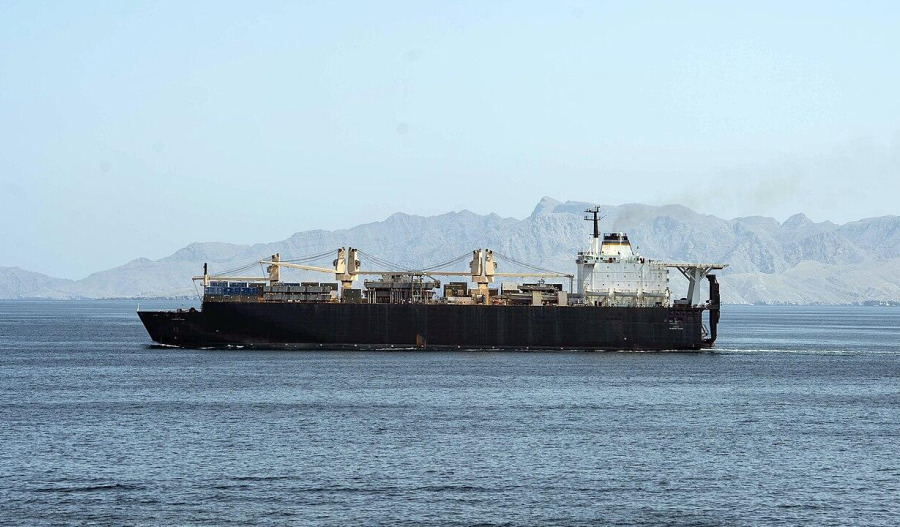
The conflict has significantly disrupted global energy flows, with shipments of oil and liquefied natural gas through the Strait of Hormuz, one of the world’s most critical energy chokepoints, largely halted.
The waterway typically accounts for roughly one-fifth of global crude and gas supply, prompting the International Energy Agency (IEA) to describe the situation as the largest oil supply disruption on record.
In a separate development, Iran informed the United Nations Security Council and the International Maritime Organization that “non-hostile vessels” may be permitted to transit the Strait of Hormuz, provided they coordinate with Iranian authorities.
Despite the growing diplomatic efforts, hostilities remain ongoing. Strikes involving U.S., Israeli and Iranian forces have continued, and reports indicate that Washington is preparing to deploy additional troops to the region.