Kuwait has warned that the economic blockade of Gulf Arab producers due to the closure of the Strait of Hormuz could be catastrophic and will trigger a domino effect across the world.
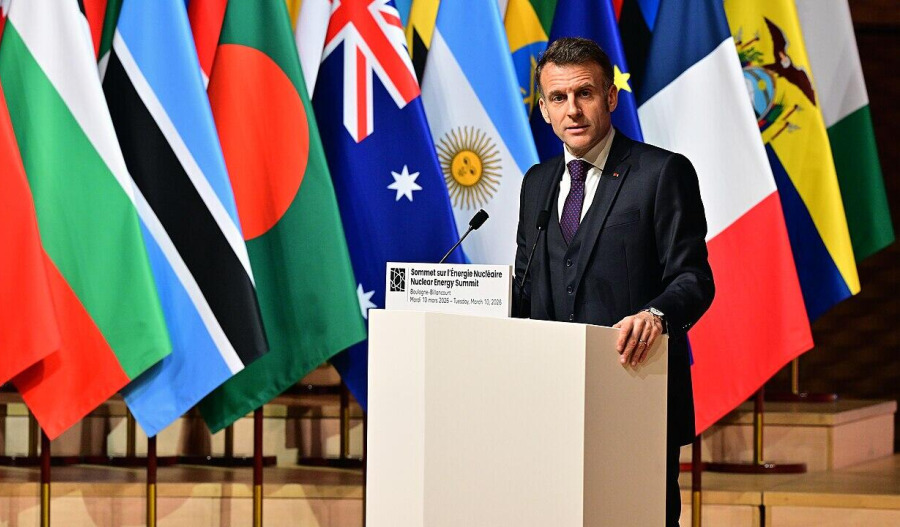
“We are outraged by this attack against us,” Sheikh Nawaf al-Sabah, the CEO of the Kuwait Petroleum Corp., told the oil industry at S&P Global’s CERAWeek energy conference.
“This is an attack not only against the Gulf, but it is an attack that is holding the world’s economy hostage.”
This comes as Kuwait Petroleum Corp (KPC) has reduced its crude oil production due to disruptions to shipping in the Strait.
According to al-Sabah, KPC will only produce oil for domestic consumption right now.
The company said production could be resumed “relatively quickly” if the war in Iran ends and reaches full production within three to four months.
On 10 March, Kuwait reduced output to around 500,000 barrels per day, a significant decrease from the more than 3 million barrels per day before the outbreak of the U.S.-Iran war on 28 February.
This follows Saudi Aramco CEO Amin Nasser's warning that the Iran war could have “catastrophic consequences” for the world economy.
Al-Sabah said Nasser understated the potential impact.
“It’s a domino effect,” al-Sabah said.

“The costs of this war don’t stay within geographical lines in this region. They extend all the way through the supply chain.”
Earlier this month, the International Energy Agency (IEA) released 400 million barrels of oil to help offset disruptions created by the war.
However, al-Sabah said this will do little to address the supply shortfall as “there is no substitute for the Strait”.
The 3 million barrels per day of emergency stocks do not compensate for the curtailments in Iraq, let alone those of Saudi Arabia and the United Arab Emirates, he said.
Al-Sabah also said the war extends far beyond oil and gas, as petrochemicals that produce plastics for food packaging could also be a shortfall. He said this would make it difficult to transport food around the world.
Fertiliser from the Gulf also cannot reach global markets just as planting season is set to begin in many parts of the world, al-Sabah said. Some countries in the developing world could see a 50% reduction in their harvest compared with prior years, he said.
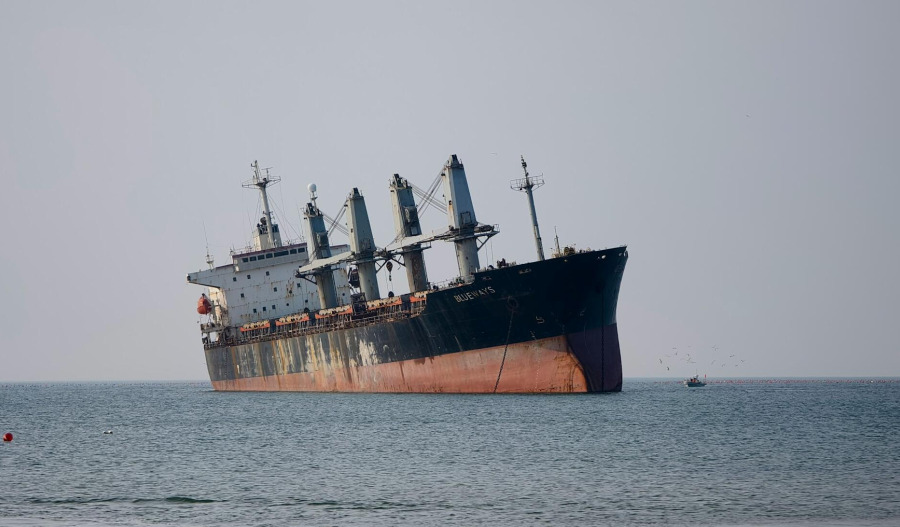
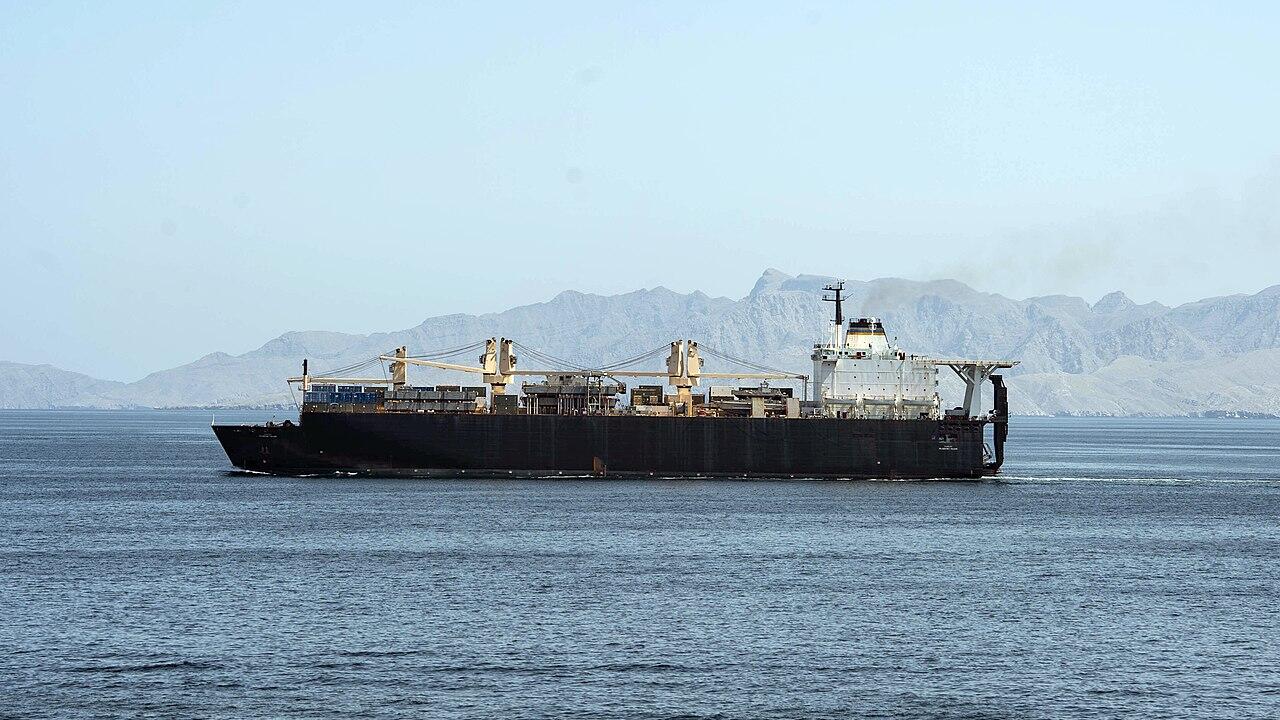
Traffic through the strait, where around 20% of the world’s oil supply passes through, has reduced significantly as Iran launches a barrage of missile and drone attacks against Gulf Arab countries.
Since the start of the war, oil prices have surged more than 30%.
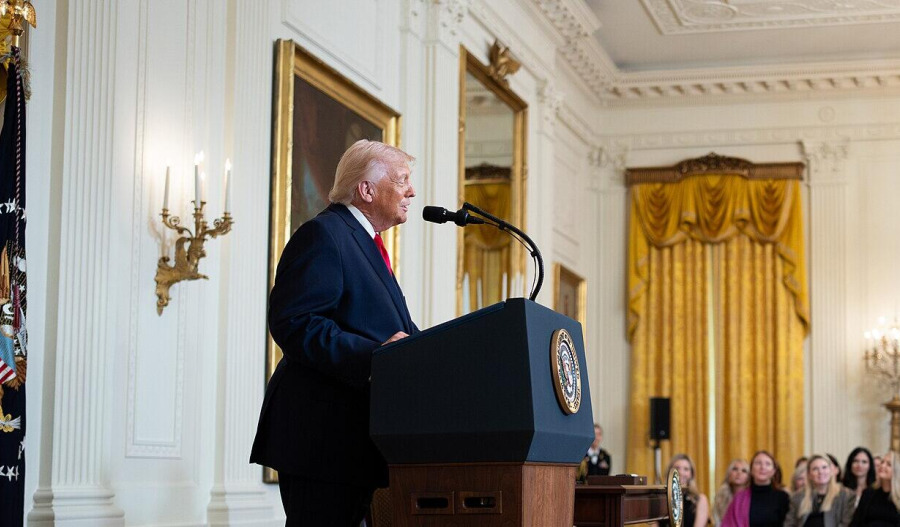
Over the weekend, U.S. President Donald Trump threatened to bomb Iran’s power plants if it didn’t allow traffic to travel through the strait.
However, on Monday, Trump postponed those strikes for five days after having what he called “productive” conversations with Iran. Following this, oil prices plunged 11% on Monday as Trump’s sudden change of course raised hopes that the war could be resolved through negotiations.