Oil prices rose more than 2% in Asian trade on Tuesday, partially recovering from the previous session’s losses as markets refocused on supply risks linked to disruptions in the Strait of Hormuz amid the ongoing Iran war.
By 2:55 pm AEDT (3:55 am GMT), Brent crude futures had climbed $2.66, or 2.7%, to US$102.87 per barrel, while U.S. West Texas Intermediate (WTI) crude rose $2.39, or 2.6%, to $95.89 per barrel.
The gains followed a weaker session on Monday, when Brent settled 2.8% lower, and WTI dropped 5.3% after some vessels were able to pass through the key shipping route, easing immediate supply concerns.
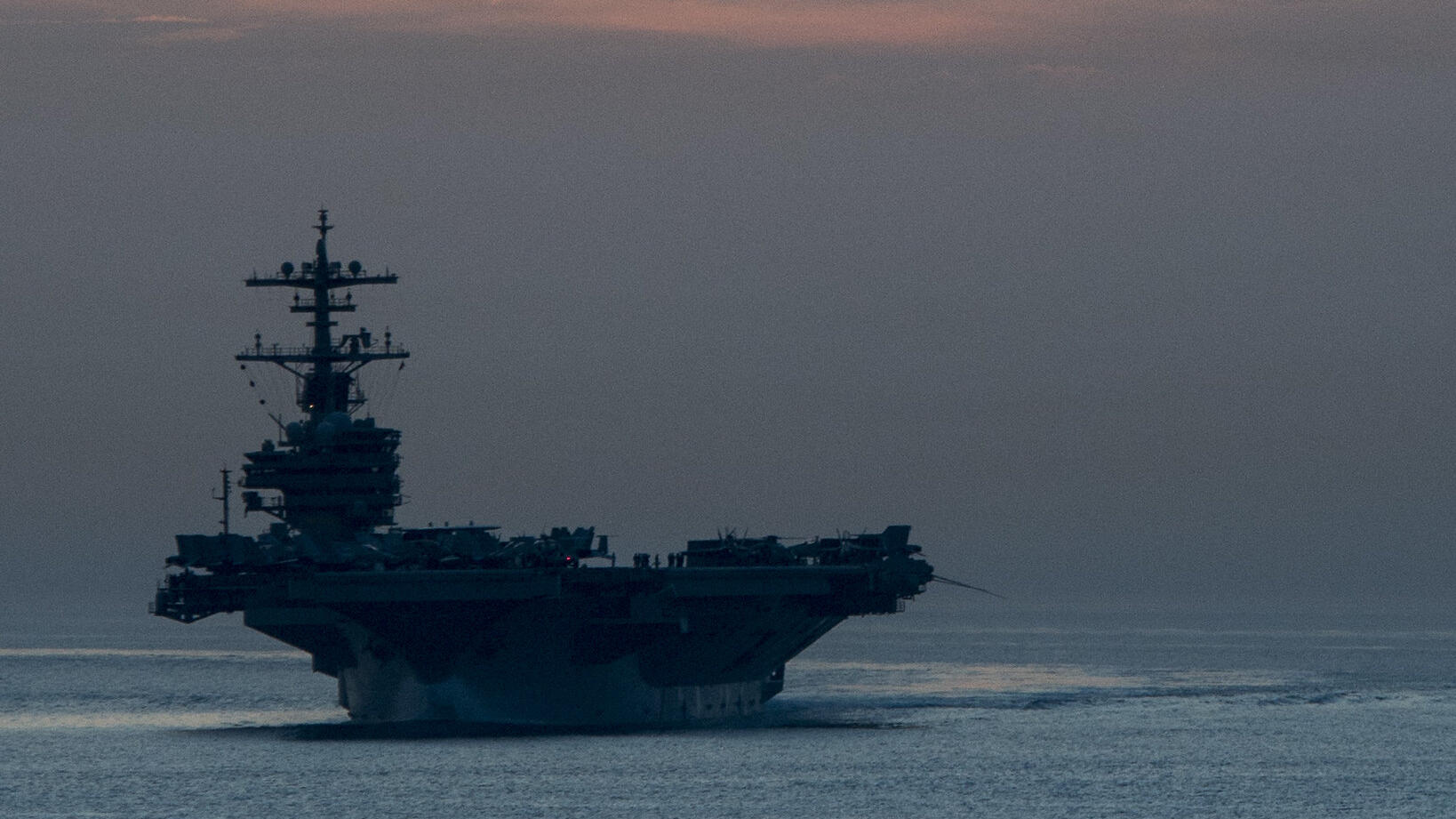
However, the broader outlook remains uncertain as the Strait of Hormuz continues to face significant disruption due to the U.S.-Israeli war on Iran, now entering its third week.
The partial closure of the waterway has heightened fears of supply shortages, rising energy costs and renewed inflationary pressures across global markets.
Analysts at ANZ said in a note to clients: "There have been no signs of de-escalation. The Strait remains largely closed, prompting Saudi Arabia, the UAE and Kuwait to cut oil output further, although a few vessels have started to navigate through the waterway.

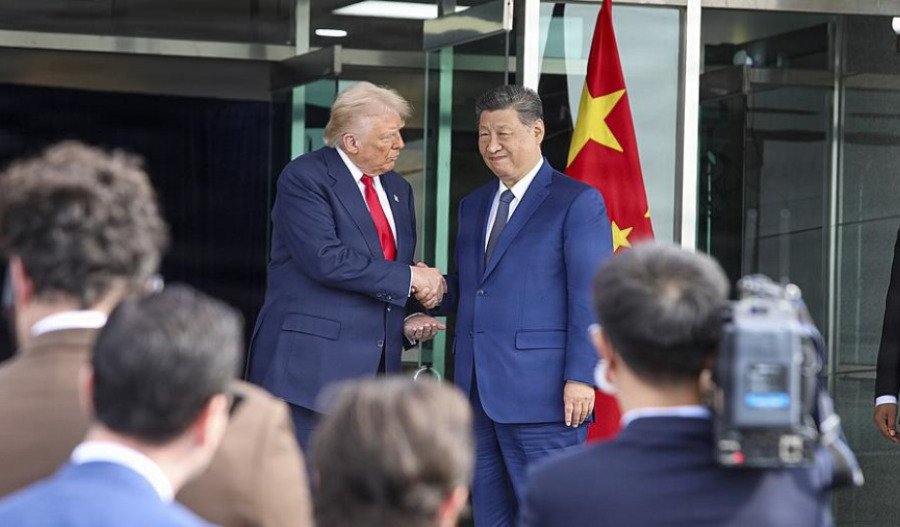
"President Trump has urged other nations, including France, the UK, Japan and China, to help to reopen the Strait by escorting commercial ships. However, these countries have declined, preferring to divert vessels via the Red Sea rather than risk escalating the conflict.
"Spain’s Foreign Minister has called for an end to the conflict and a return to negotiations.”
Diplomatic efforts remain ongoing. Iran has reportedly asked India to release three tankers seized in February as part of negotiations aimed at ensuring safe passage for Indian-flagged or India-bound vessels through the Gulf.
The disruption has already impacted production. The United Arab Emirates, the third-largest producer within the Organization of the Petroleum Exporting Countries, has been forced to shut in output, cutting production by more than half, Reuters reported.
In response to rising energy costs, the head of the International Energy Agency (IEA) indicated that member nations could release additional oil supplies, on top of the 400 million barrels already agreed to be drawn from strategic reserves.
Meanwhile, geopolitical tensions remain elevated. Israel said it has outlined plans for at least three more weeks of military operations, with its forces conducting further strikes across Iran overnight.