Oil prices pared early gains in Asian trading on Tuesday, after reports that Donald Trump may be willing to end the military campaign against Iran without immediately reopening the Strait of Hormuz.
By 2:55 pm AEDT (3:55 am GMT), Brent crude futures for June delivery fell 37 cents, or 0.3%, to US$107.02 per barrel, reversing earlier gains of around 2% during the session.
U.S. West Texas Intermediate futures for May declined 16 cents, or 0.2%, to US$102.72 per barrel after reaching their highest level since early March in early deals.
The pullback reflects a shift in sentiment following a Wall Street Journal report that Trump told aides he is open to ending the conflict even if the Strait of Hormuz remains largely closed, potentially deferring efforts to restore full shipping flows until a later stage.
Despite the move lower, market participants viewed the decline as temporary, as any sustained easing in prices would likely depend on the full resumption of oil flows through the critical waterway.

The report follows renewed escalation in rhetoric, with Trump warning on Monday that the United States would “obliterate” Iran’s energy infrastructure if Tehran failed to reopen the Strait of Hormuz.
Iran’s effective closure of the passage has driven a sharp rally in crude markets. Brent prices have surged approximately 59% in March, marking their largest monthly increase on record, while WTI has climbed 58% over the same period, the strongest gain since May 2020.
Supply fears were further amplified by reports of an attack on a fully loaded crude tanker operated by Kuwait Petroleum Corporation at a Dubai port.
The vessel, capable of carrying up to 2 million barrels, was reportedly struck in what officials described as a suspected Iranian attack, raising concerns about potential oil spills and broader disruptions to shipping in the region.
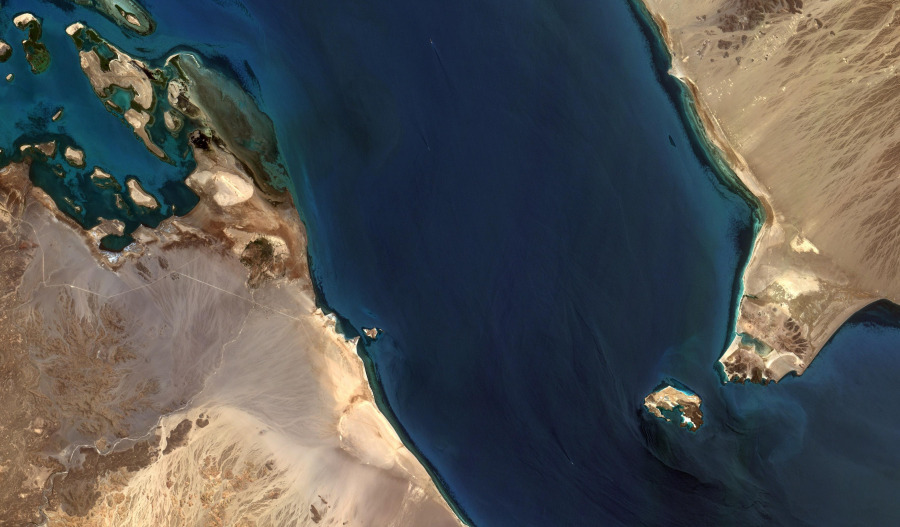
Geopolitical tensions have also expanded beyond the Gulf. Over the weekend, Yemen’s Iran-aligned Houthi forces launched missiles at Israel, heightening concerns over the security of the Bab el-Mandeb Strait, a key maritime route linking the Red Sea to the Gulf of Aden and facilitating trade between Asia and Europe via the Suez Canal.