Oil prices rebounded on Monday, partially retracing a sell-off in the previous session, as renewed tensions between the United States and Iran heightened concerns over supply disruptions in the Strait of Hormuz.
By 2:35 pm AEST (4:35 am GMT), Brent crude futures had climbed $5.10, or 5.6%, to US$95.48 per barrel, while U.S. West Texas Intermediate crude for June delivery rose $4.97, or 6.0%, to $87.56 per barrel.
The gains followed a volatile weekend in which both Washington and Tehran accused each other of violating a ceasefire agreement, with fresh hostilities reported in the key shipping corridor.
U.S. President Donald Trump said American forces had seized an Iranian cargo ship that attempted to breach a U.S. naval blockade, while Iranian state media reported that it would not participate in a second round of peace talks, despite warnings from Washington of potential renewed airstrikes.
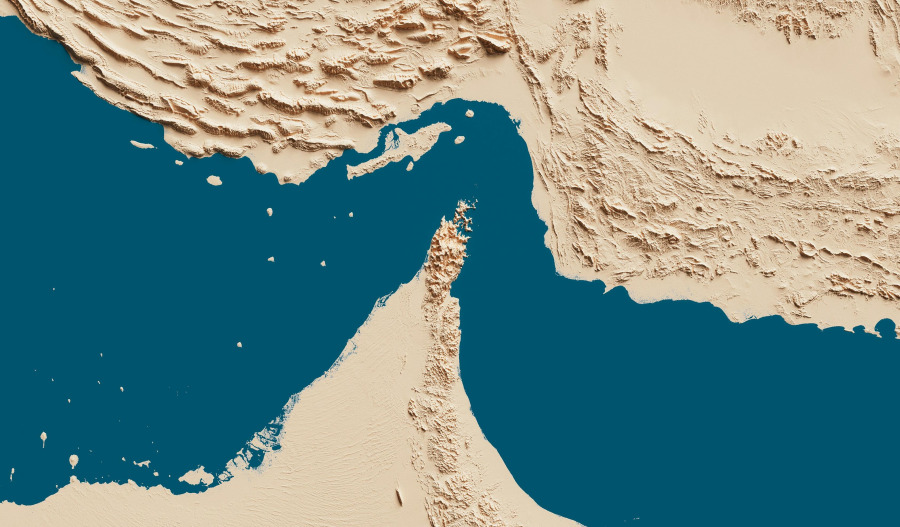
The United States has maintained a blockade of Iranian ports, while Iran has alternated between lifting and reimposing restrictions on the Strait of Hormuz, a critical chokepoint that accounted for roughly one-fifth of global oil flows before the conflict began nearly two months ago.
ING commodities strategists said: "Developments over the weekend suggest the thaw has been short-lived, with Brent opening stronger this morning. Iran reimposed its restrictions on the Strait of Hormuz after the U.S. kept its blockade in place. After the U.S. seized an Iranian-flagged vessel, there will be doubts over planned peace talks.

The U.S. is sending negotiators to Pakistan for peace talks today. Iran, however, has said it doesn’t plan to take part in talks. This is a concern as the two-week ceasefire nears an end. It opens the door to further escalation in the Persian Gulf and higher oil and gas prices."
Separately, ANZ analysts highlighted additional supply risks emerging outside the Strait.
"Japan Petroleum Exploration (JAPEX) has announced a halt to production and export activities at Iraq’s Garraf oil field due to the government’s declaration of force majeure. This field is an important part of Iraq’s export capacity, so an extended suspension of operations could reduce Iraq’s overall oil exports.
"Oil loadings are increasing outside of the Strait of Hormuz from Saudi Arabia and the UAE."
The rebound follows Friday’s sharp decline, when both Brent and WTI recorded their largest daily losses since 18 April after Iran signalled the Strait of Hormuz would remain open during the ceasefire period.
Shipping activity had briefly recovered, with more than 20 vessels — including carriers of oil, liquefied petroleum gas, metals and fertilisers — transiting the strait on Saturday, according to Kpler data cited by Reuters. This marked the highest traffic through the corridor since 1 March.