Oil prices extended their decline on Tuesday, falling more than 1% as hopes for a diplomatic breakthrough between the United States and Iran eased concerns over supply disruptions that have rattled global energy markets.
By 3:05 pm AEST (5:05 am GMT), Brent crude futures for October delivery were down $1.01, or 1.2%, at US$84.86 a barrel, while West Texas Intermediate crude fell $0.98, or 1.2%, to US$81.63 a barrel.
The move followed Monday's sharp sell-off, when Brent and WTI settled 11.3% and 7.5% lower, respectively.
U.S. President Donald Trump said on Monday the United States was having "good talks" with Iran and that there was a chance of a resolution to the conflict. However, he warned U.S. strikes would resume if negotiations failed, while Iranian officials issued similar warnings regarding retaliation.
Adding to the downward pressure on prices, the Caspian Pipeline Consortium resumed oil loadings at its Black Sea export terminal after operations were suspended for a week following Ukrainian drone attacks.

“Nevertheless, the risks to supply disruptions spreading to the Red Sea remain elevated,” cautioned ANZ analysts in a note to clients.
"Saudi Arabia reported that it had intercepted several drones that were launched from Iraq by Iran-backed militias that were heading towards petroleum facilities in its eastern region.
"These attacks are threatening this critical alternative route, with Bab al-Mandab crude and product flows falling to 2.6mb/d in July from 5.5mb/d in June.
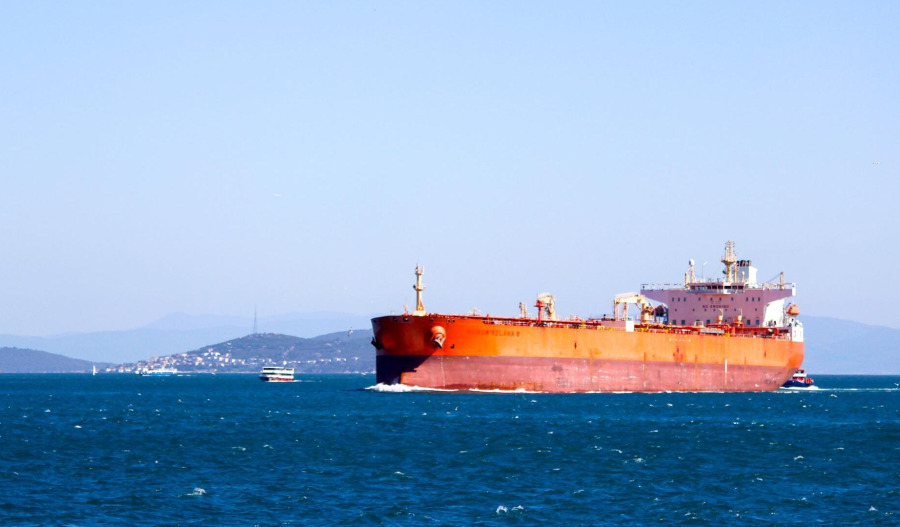
"Also, transits through the Strait of Hormuz have all but dried up, underscoring the severity of supply disruptions in the Persian Gulf. Both inbound and outbound vessel crossings have fallen to less than 0.5 per day on a seven-day moving average basis.
“Ongoing disruptions reinforce concerns that supply losses could become more significant if shipping conditions deteriorate further.”