Oil prices extended their decline during Wednesday's Asian session after tumbling over the previous two trading days, as investors awaited signs of progress in negotiations aimed at ending the Iran conflict and restoring shipping through the Strait of Hormuz.
By 3:15 pm AEST (5:15 am GMT), Brent crude futures were down US$0.54, or 0.7%, at US$78.82 a barrel, while U.S. West Texas Intermediate crude fell US$0.64, or 0.8%, to US$75.13 a barrel.
Oil came under further pressure after Qatar reported that mediators were making progress towards ending the conflict, although Tehran denied U.S. President Donald Trump's claim that negotiations were underway.
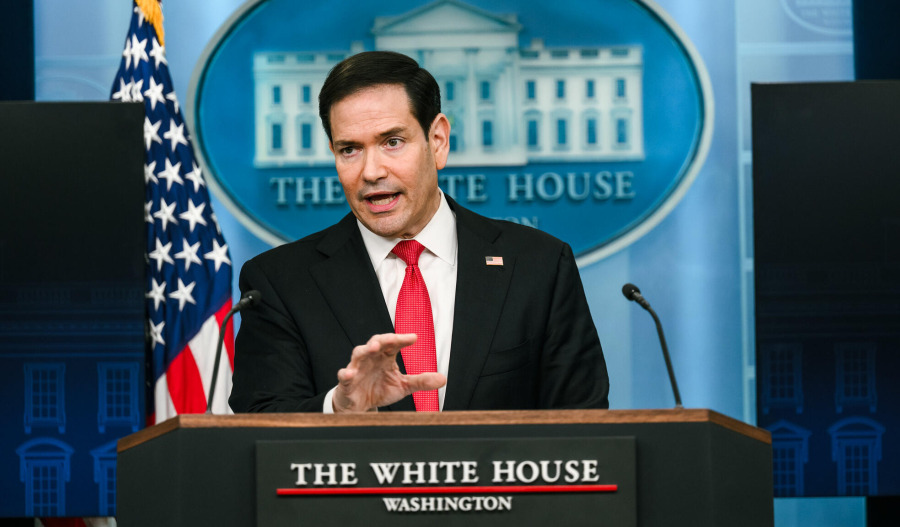
U.S. Secretary of State Marco Rubio also said the United States is "involved in" negotiations between Iran and Oman, while reiterating that Iran's denuclearisation remains the administration's long-term objective.
Separately, U.S. Treasury Secretary Scott Bessent said he believed an agreement to reopen the Strait of Hormuz could be reached within the next 24 hours.

Before the conflict began, around 20% of global oil and liquefied natural gas shipments passed through the Strait of Hormuz.
Oil prices had surged about 50% during March amid concerns over potential supply disruptions.
On the supply front, data from the American Petroleum Institute (API) showed U.S. crude and gasoline inventories increased last week, while distillate stockpiles declined.
Crude inventories rose by approximately 2.7 million barrels in the week ended 31 July, compared with market expectations for a drawdown of 2 million barrels.
Investors are now awaiting official inventory data from the U.S. Energy Information Administration (EIA), due later in Wednesday's U.S. session.