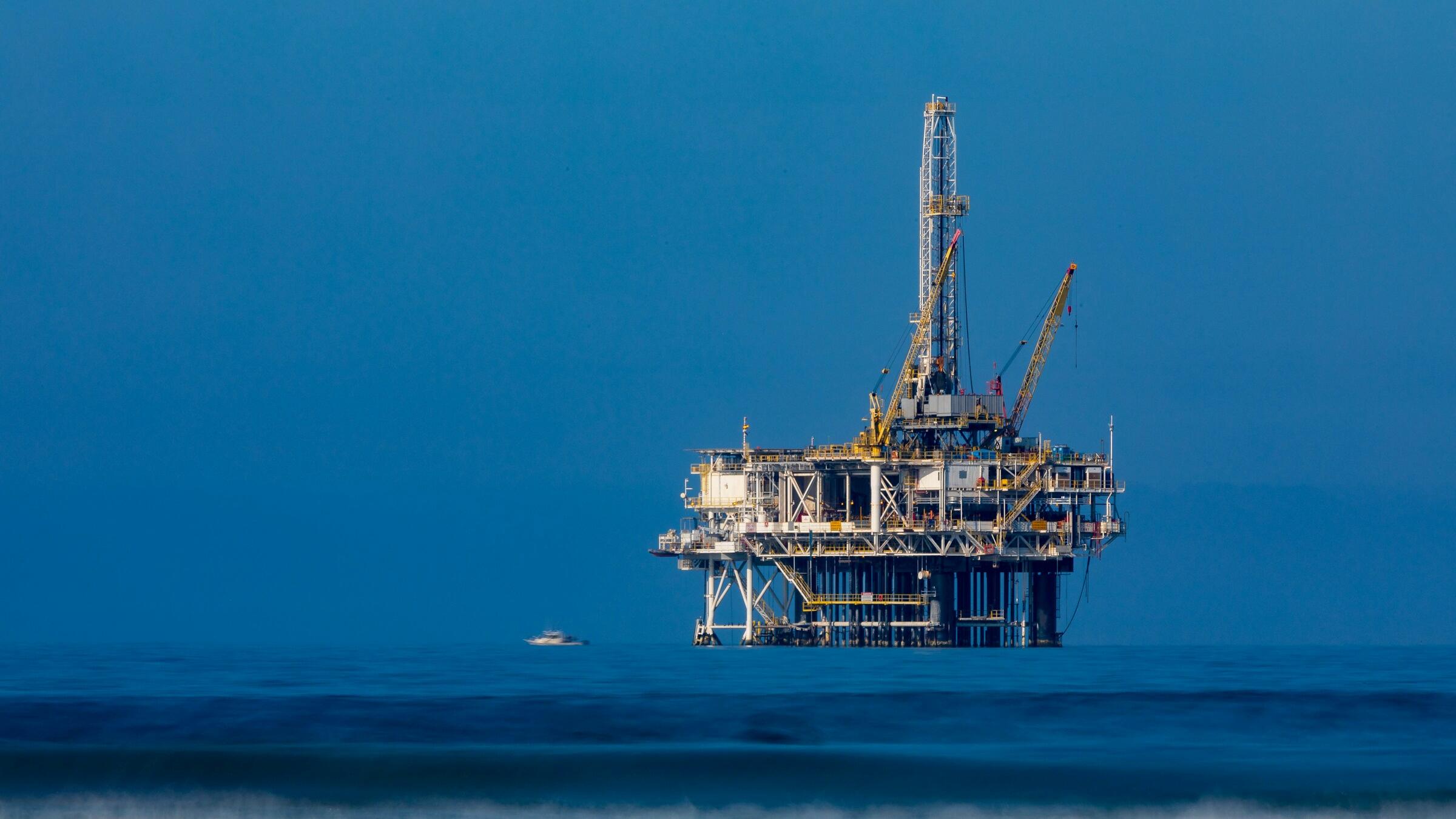
Oil prices extended gains in Wednesday’s Asian session after security incidents involving Iran and the United States heightened concerns about potential supply disruptions in the Strait of Hormuz, a critical artery for global crude exports.
By 3 pm AEDT (4 am GMT), Brent crude futures rose 45 cents, or 0.7%, to $67.78 per barrel, while U.S. West Texas Intermediate crude advanced 51 cents, or 0.8%, to $63.72 per barrel.
Both benchmarks had gained 1.6% and 1.7%, respectively, in the previous session.
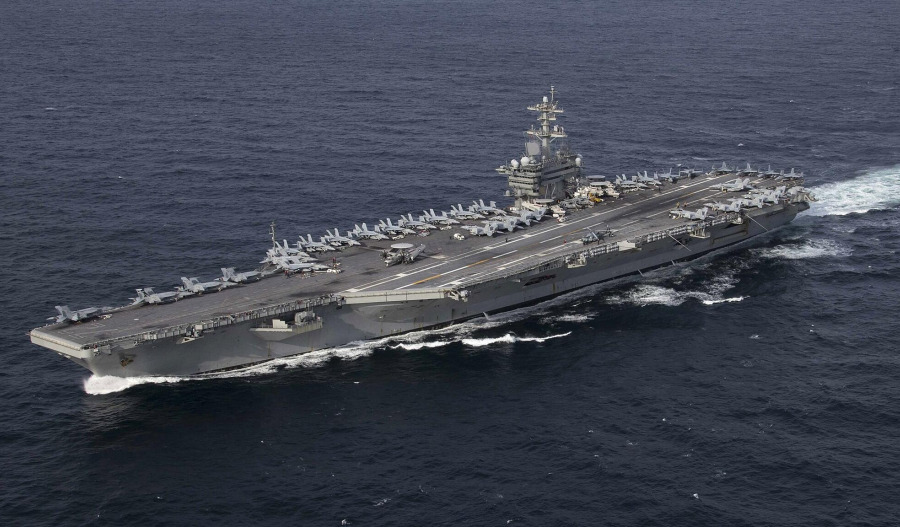
Market sentiment was supported by reports that the U.S. military shot down an Iranian drone that approached the aircraft carrier Abraham Lincoln in the Arabian Sea.
Separately, maritime sources and a security consultancy said Iranian gunboats approached a U.S.-flagged tanker north of Oman in the Strait of Hormuz.
The strait is a vital route for global energy supplies, with Organization of the Petroleum Exporting Countries (OPEC) members Saudi Arabia, Iran, the United Arab Emirates, Kuwait and Iraq exporting most of their crude through the waterway, largely to Asian markets.
Iran was the third-largest OPEC crude producer in 2025, according to U.S. Energy Information Administration data.

Diplomatic developments added to uncertainty. The United Arab Emirates urged Tehran and Washington to use the resumption of nuclear talks this week to ease tensions that have led to mutual threats of air strikes.
Iran has called for negotiations with the U.S. to be held in Oman rather than Turkey and to focus solely on bilateral nuclear issues, raising doubts over whether the meeting will proceed as scheduled.
Prices also drew support from expectations of tighter U.S. supply. U.S. crude inventories fell by 11.1 million barrels last week, according to sources citing American Petroleum Institute figures, indicating a sharp draw in the world’s largest oil producer and consumer.
Earlier gains were reinforced by broader geopolitical and trade factors. A trade agreement between the U.S. and India improved the outlook for global energy demand, while Russia’s continued attacks on Ukraine sustained concerns that Russian oil exports would remain constrained by sanctions for longer.
U.S. President Donald Trump announced a deal with India to reduce tariffs to 18% from 50% in exchange for New Delhi halting purchases of Russian oil and lowering trade barriers, lifting sentiment among exporters and policymakers despite limited details.
In Ukraine, President Volodymyr Zelenskyy accused Russia of using a U.S.-backed energy truce to stockpile munitions and launch fresh attacks ahead of peace talks.
Overnight strikes disrupted heating in several cities, including Kyiv, as Ukrainian negotiators travelled to Abu Dhabi for a second round of U.S.-brokered trilateral discussions scheduled for Wednesday and Thursday.