Oil prices moved lower during Friday's Asian deals, as efforts by the United States and its allies to secure key shipping routes and boost supply helped ease market concerns over escalating disruptions in the Middle East.
By 3 pm AEDT (4 am GMT) Brent crude futures fell $1.77, or 1.6%, to US$106.88 per barrel, while U.S. West Texas Intermediate (WTI) crude declined $1.92, or 2%, to $94.22.
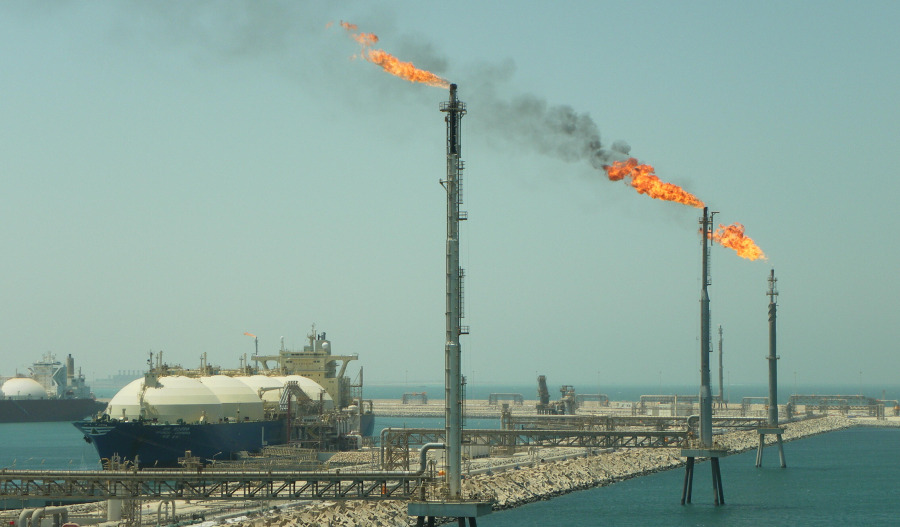
The pullback comes as policymakers attempt to stabilise global energy markets following sharp price spikes driven by attacks on oil and gas infrastructure across the Gulf region.
U.S. Treasury Secretary Scott Bessent said Washington is considering measures to increase supply, including potentially lifting sanctions on Iranian oil currently stranded on tankers.
He also indicated that a further release from the U.S. Strategic Petroleum Reserve remains under consideration.

Despite Friday’s decline, Brent crude remains on track to gain more than 4% for the week, after Iran launched strikes on energy facilities in Gulf states, forcing production shutdowns.
In contrast, WTI is set to fall nearly 4% for the week, marking its first weekly decline in five weeks. The U.S. benchmark has also been trading at its widest discount to Brent in over a decade, reflecting regional supply dynamics and transport constraints.
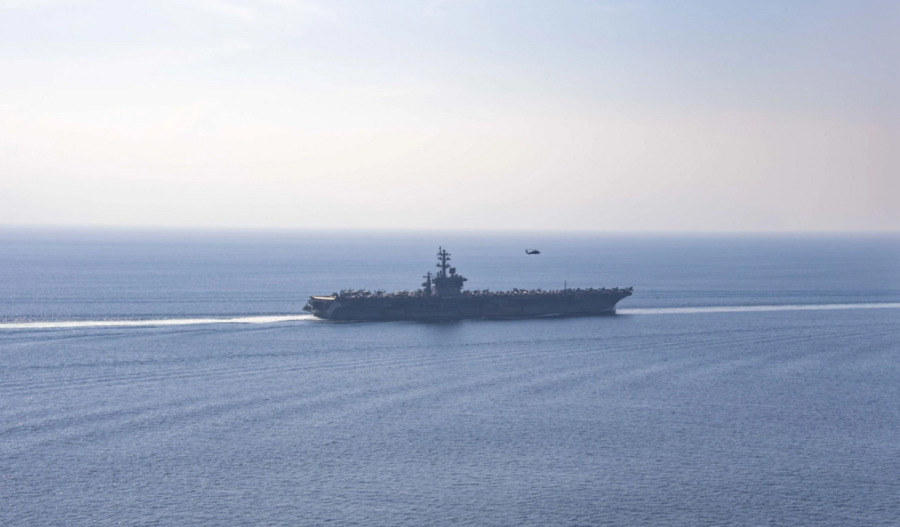
In a coordinated response, countries including the United Kingdom, France, Germany, Italy, Netherlands and Japan said they were prepared to support efforts to ensure safe passage through the Strait of Hormuz, a route that carries around 20% of the world’s oil and liquefied natural gas.
Meanwhile, U.S. President Donald Trump said he had urged Benjamin Netanyahu not to repeat strikes on Iranian energy infrastructure, in a bid to prevent further escalation.
“I told him, ‘Don’t do that’, and he won’t do that,” Trump said in the Oval Office on Thursday.