Israel is seeking to open direct negotiations with Lebanon as escalating violence threatens to derail a fragile ceasefire between the United States and Iran, raising fresh concerns over regional stability and global energy supplies.
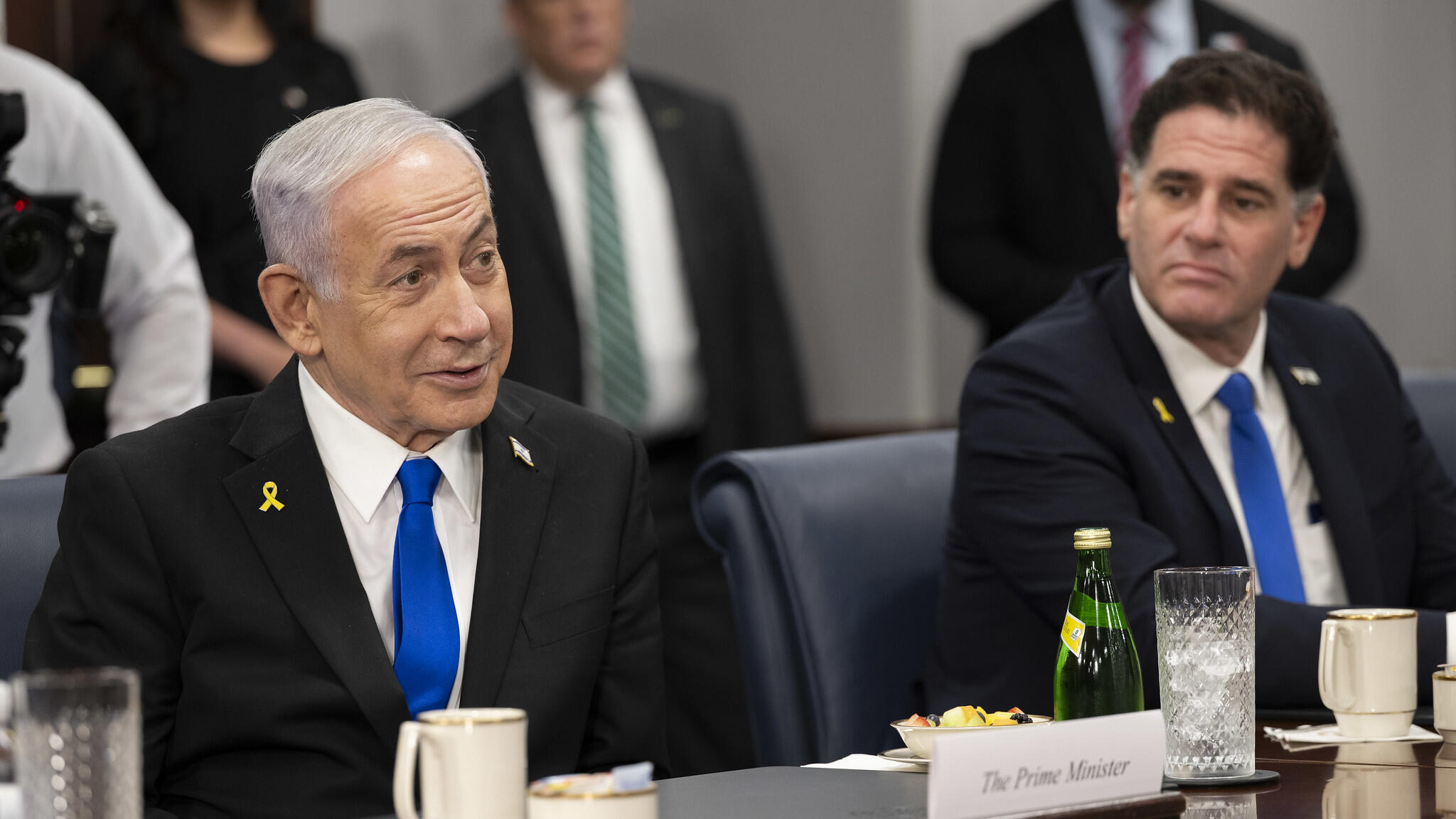
Israeli Prime Minister Benjamin Netanyahu said he had instructed officials to pursue talks with Beirut, just a day after the deadliest bombardment of the conflict killed more than 300 people in Lebanon.
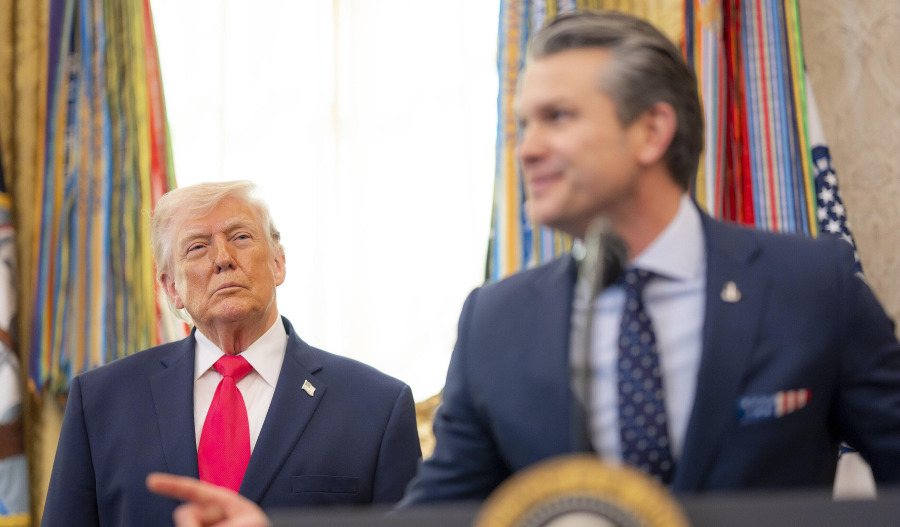
The escalation has placed pressure on the ceasefire announced earlier this week by Donald Trump.
Trump unveiled the truce late on Tuesday (Wednesday AEST), hours before a self-imposed deadline after which he had warned of severe consequences for Iran, marking a pivotal moment in the six-week conflict.
Diplomatic efforts are now intensifying, with Pakistan preparing to host the first round of U.S.-Iran talks in its capital, Islamabad.
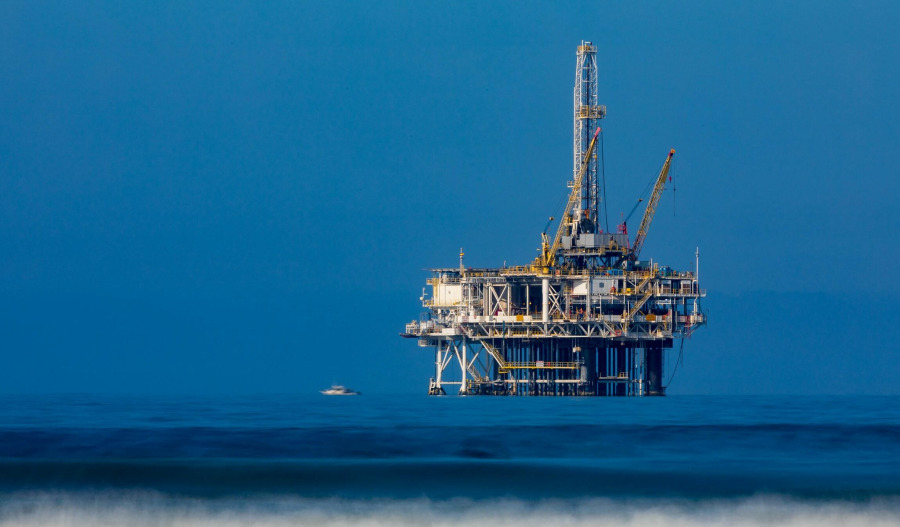
However, there were few immediate signs of de-escalation in energy markets. Iran has yet to lift its near-total blockade of the Strait of Hormuz, a critical artery for global oil and liquefied natural gas shipments. Tehran has cited continued Israeli strikes in Lebanon as a key obstacle.
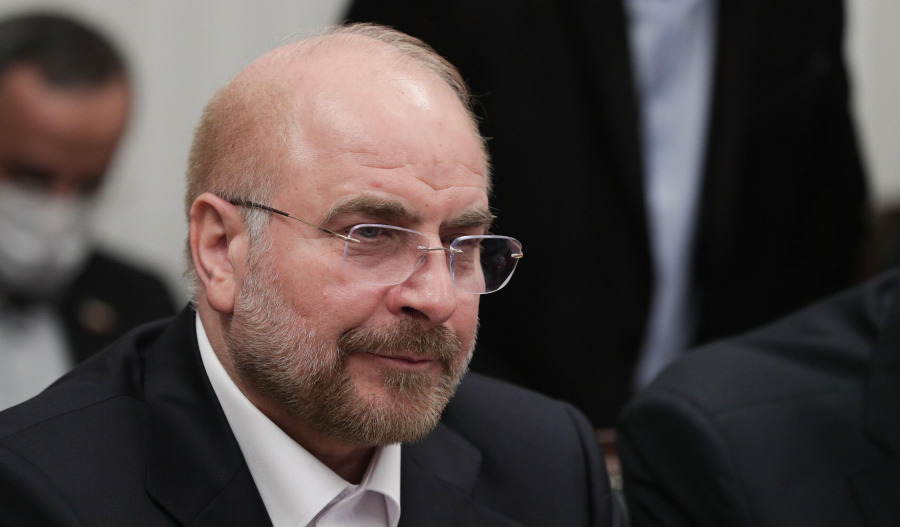
In a defiant statement, Iran’s Supreme Leader Mojtaba Khamenei signalled a hardline stance, pledging retaliation and warning of further measures affecting the strategic waterway.
"We will certainly not leave unpunished the criminal aggressors who attacked our country. We will undoubtedly demand compensation for every single damage inflicted," he said in a statement reported by Reuters.

Shipping data highlighted the limited recovery in traffic through the strait. In the first 24 hours following the ceasefire, only one oil products tanker and five dry bulk carriers passed through, compared with around 140 vessels per day before the conflict, when the route handled roughly a fifth of global oil and LNG flows.
Trump struck an optimistic tone on energy supply in a Truth Social post, stating: "Because of me, IRAN WILL NEVER HAVE A NUCLEAR WEAPON and, very quickly, you’ll see Oil start flowing, with or without the help of Iran and, to me, it makes no difference, either way."
Netanyahu said the proposed negotiations with Lebanon would centre on dismantling Hezbollah and normalising relations between the two countries.
"The negotiations will focus on disarming Hezbollah and establishing peaceful relations between Israel and Lebanon," he said.
Lebanese President Joseph Aoun indicated that diplomatic efforts were gaining traction, describing an emerging negotiation track as being viewed “positively” by international stakeholders.
A senior Lebanese official said efforts were underway to secure a temporary ceasefire to enable broader discussions with Israel, describing the initiative as a “separate track but the same model” as the U.S.-Iran truce.
U.S. officials confirmed that Washington is expected to host talks between Israel and Lebanon next week.
Meanwhile, the scope of the U.S.-Iran ceasefire remains contested. While Washington and Israel maintain that Lebanon is not covered by the agreement, Iran and mediator Pakistan argue that Lebanon forms part of a broader regional framework.