Iran and Israel said on Monday they had suspended direct attacks on one another following an appeal from United States President Donald Trump for both sides to "immediately stop shooting", although Tehran warned it could resume military action if Israel continued operations against Hezbollah in Lebanon.
The exchange of attacks over the previous 24 hours marked the most direct confrontation between Iran and Israel since an April ceasefire, raising concerns over Washington's efforts to secure a broader agreement with Tehran aimed at ending a conflict that has lasted for more than three months.
Iran's Ministry of Foreign Affairs told CNBC that the country's military had ceased strikes against Israel for now but would restart operations if the Israel Defense Forces continued attacks in Lebanon.
Financial markets reacted to signs of de-escalation. Oil prices, which had surged as much as 5% during the flare-up in hostilities, gave back much of those gains after Iran's military announced that its initial wave of strikes against Israel had concluded.
The U.S. dollar also retreated from levels that had marked its strongest performance in almost two months.
In a post on Truth Social, Trump said: "Both sides, Israel and Iran, are looking to do an immediate CEASEFIRE! Final negotiations on ‘Peace’ are proceeding, subject to ignorance or stupidity getting in its way.
"The Blockade will remain in place, and in full force and effect, until a ‘Final Deal’ is reached. Things should move quickly."
According to the BBC, Israeli Prime Minister Benjamin Netanyahu said Israel was holding fire "at the moment", but emphasised that the conflict involving Iran and Hezbollah was "not finished".
His comments followed statements from Iran's armed forces that military operations had been halted after delivering what it described as a "painful response" to Israel.
Iran nevertheless warned that any further Israeli strikes, including those conducted in Lebanon, would trigger "more severe and crushing measures".
Tehran launched missiles toward Israeli territory late on Sunday, describing the attacks as retaliation for Israeli strikes on Hezbollah positions on the outskirts of Beirut.
Israel subsequently targeted a petrochemical facility in southwest Iran, which it said was involved in ballistic missile production.
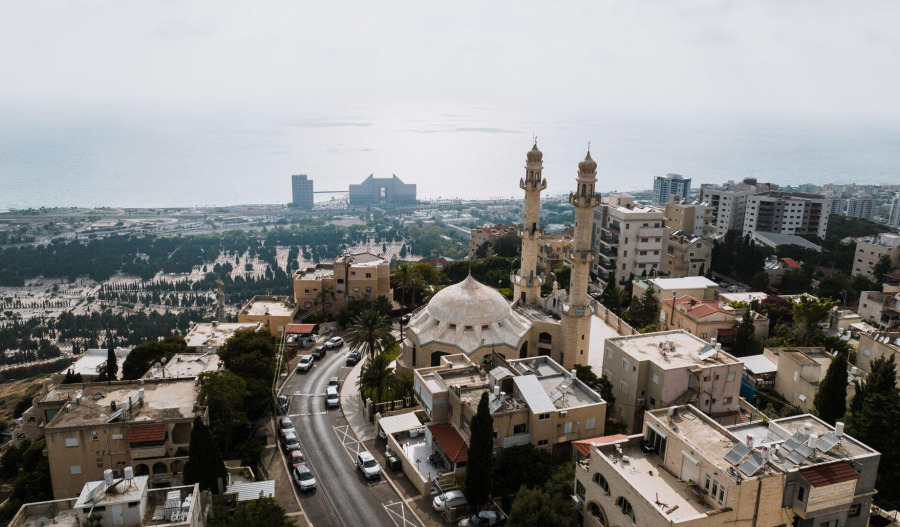
Iran's Islamic Revolutionary Guard Corps (IRGC) said it responded by striking a comparable Israeli facility in the northern city of Haifa.
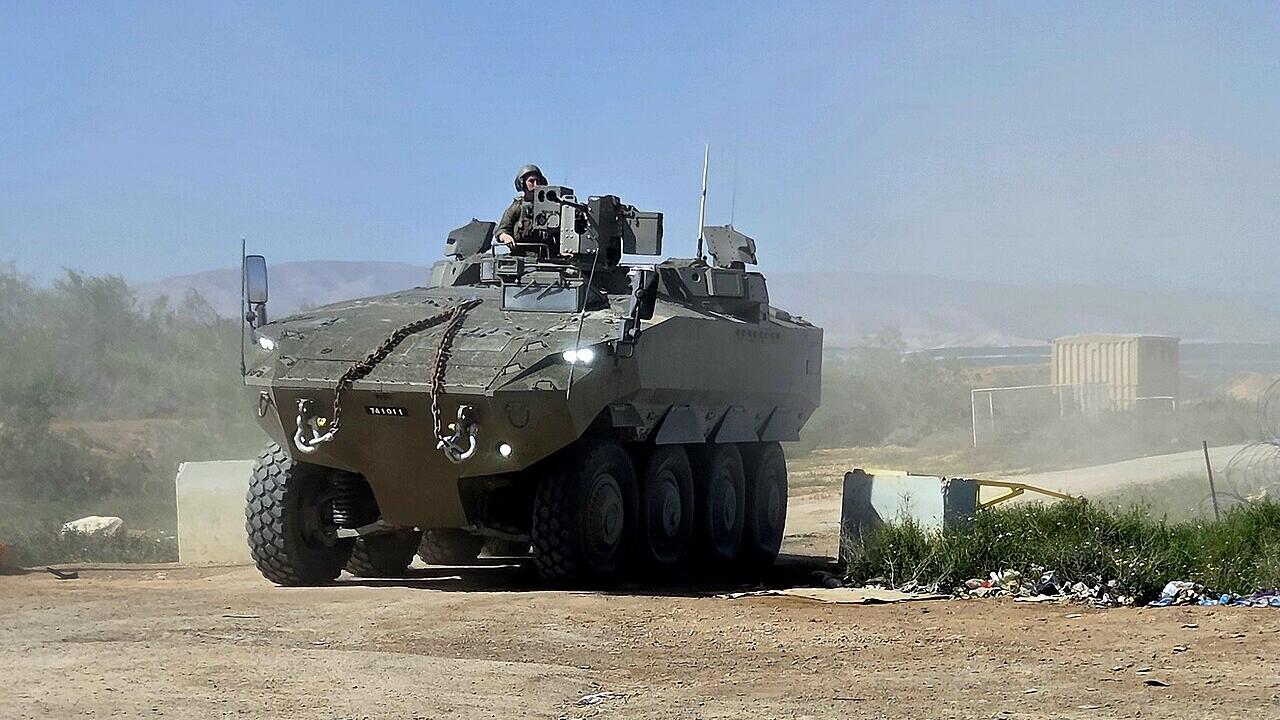
Earlier on Monday, an Israeli military official said the country was prepared to continue operations for "as long as it takes" and confirmed attacks on newly rebuilt Iranian air defence systems as well as the petrochemical site.
Iranian officials also adopted a hardline stance. A military source quoted by the semi-official Tasnim news agency said Tehran was prepared for a prolonged conflict and retained the option of renewing attacks against U.S. interests across the region.
Iranian Foreign Ministry spokesperson Esmaeil Baghaei said communications between Tehran and Washington were continuing amid an atmosphere of "extreme suspicion".
He argued that Israeli military actions in Lebanon, regardless of whether they were undertaken with US approval, were intended to undermine diplomatic efforts.
Iranian media reported explosions in Tehran during the day, with air defence systems reportedly intercepting a drone over the capital. No immediate casualties or major damage were reported.
Meanwhile, Yemen's Iran-aligned Houthi movement announced that it would continue efforts to block Israeli-linked navigation through the Red Sea and said it had launched missiles toward Israel.
The Houthis have largely remained on the sidelines of the wider regional conflict but control territory near the entrance to the Red Sea, a strategically important route for global energy shipments and an increasingly significant alternative pathway for Middle Eastern oil exports affected by disruptions around the Strait of Hormuz.

Lebanon talks set to resume
Israel has maintained its military campaign in Lebanon throughout the conflict, arguing that operations against Hezbollah are separate from any ceasefire discussions involving Iran and the United States. Hezbollah has likewise continued attacks against Israel.
Tehran has repeatedly stated that any long-term agreement with Washington depends partly on ending hostilities in Lebanon, where Israeli forces launched operations in March targeting Hezbollah fighters who had fired across the border in support of Iran.
U.S. ambassador to Lebanon Michel Issa said on Monday that Lebanese-Israeli negotiations were scheduled to resume in Washington.
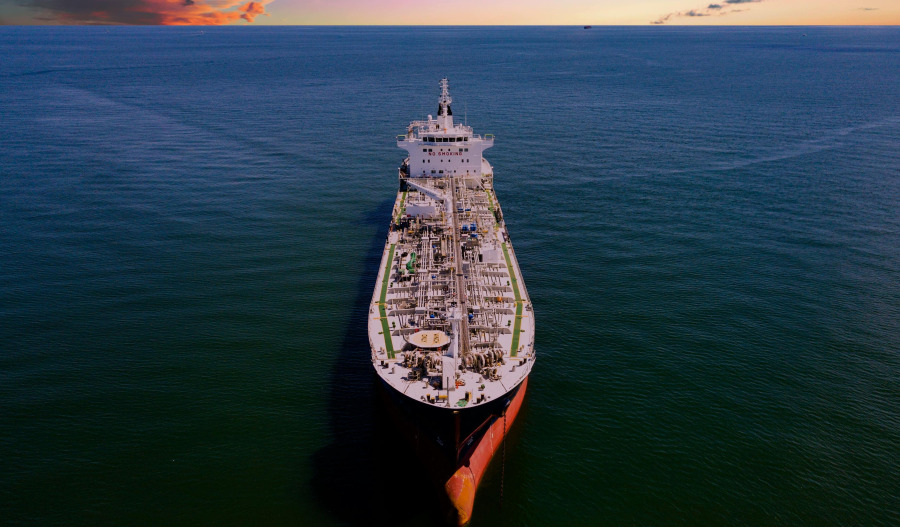
Despite the pause in direct strikes between Iran and Israel, tensions remain elevated. Tehran continues to restrict much of the shipping traffic through the Strait of Hormuz, which, before the conflict, handled roughly one-fifth of global crude oil and liquefied natural gas trade.
The United States has responded by maintaining its own blockade of Iranian ports.
Trump has repeatedly said that any final peace agreement must prevent Iran from developing a nuclear weapon. Tehran, meanwhile, has sought the removal of international sanctions, access to billions of dollars in frozen assets and formal recognition of its control over the Strait of Hormuz as part of any broader settlement.