Efforts to secure a broader peace agreement between the United States and Iran suffered a setback on Thursday after Hezbollah rejected a proposed ceasefire in Lebanon, while Israel signalled it would continue military operations in the country.
The Iran-backed militant group dismissed a U.S.-brokered agreement negotiated between Israel and the Lebanese government, raising fresh doubts over President Donald Trump's push to stabilise the region and bring an end to hostilities involving Tehran.
Iran has repeatedly indicated that a ceasefire in Lebanon is a prerequisite for any peace agreement with Washington and has suggested in recent days that it could become more directly involved if Israeli operations continue.
According to Kurdistan24, citing a written message broadcast on Hezbollah's Al-Manar television channel, Hezbollah leader Naim Qassem rejected the proposed truce, noting that the organisation had not participated in the negotiations.
"The ceasefire must be comprehensive, without a separation between the south and the rest of Lebanon, and without the Israeli enemy having the freedom to kill," he stated.
There was no immediate response from Israeli, Lebanese or U.S. officials following the rejection.
Israel continued air strikes in southern Lebanon, while Defence Minister Israel Katz said Israeli forces would neither withdraw from the country nor halt military operations. Israel launched its incursion into Lebanon in March alongside its broader conflict involving Iran.
Adding to tensions, the commander of Iran's Revolutionary Guards Quds Force stated that Israel must, at a minimum, return to positions held before the conflict began.

The developments cast doubt on efforts to reduce violence across the region. Residents in Lebanon, Gaza, northern Israel and Kuwait have all remained exposed to attacks this week despite ceasefire arrangements brokered by Washington.
Trump acknowledged on Wednesday that the agreements had not completely halted fighting, describing the situation as involving "shooting in a more moderate manner" rather than a total cessation of hostilities.
Military exchanges between Iran and the United States intensified on Wednesday in one of the most significant confrontations since a ceasefire in April paused large-scale fighting.
Iranian forces struck Kuwait International Airport, killing one person and injuring more than 60 others, according to authorities.
In response, U.S. forces conducted strikes near the Strait of Hormuz, a critical global energy route that typically handles around one-fifth of worldwide oil and liquefied natural gas shipments. The waterway has been largely disrupted since the conflict began three months ago.
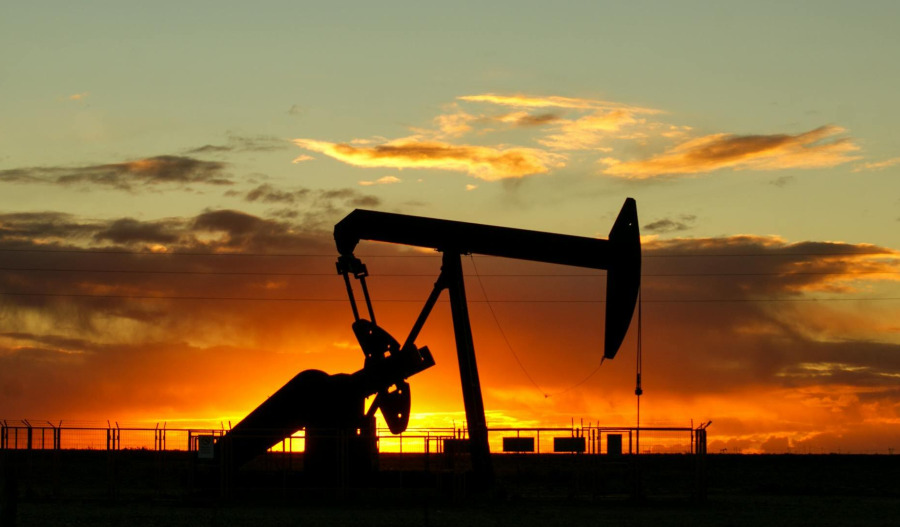
Despite the ongoing violence, oil prices fell approximately 3% as investors hoped a ceasefire in Lebanon could provide a pathway towards broader negotiations between Washington and Tehran.
Iranian oil exports have meanwhile dropped to their lowest level in six years, according to shipping data.
However, tangible diplomatic progress has remained elusive. Trump has repeatedly stated since late March that an agreement is close, but negotiations have yet to produce a lasting resolution.
The president is also facing growing domestic pressure to ease energy costs ahead of November's congressional elections. On Wednesday, the House of Representatives voted in favour of a measure aimed at preventing Trump from continuing the conflict with Iran.