Oil prices rallied during Monday's Asian deals, with Brent crude and United States West Texas Intermediate (WTI) both gaining more than 4% as renewed military activity in the Middle East intensified concerns about global energy supplies.
Brent crude futures rose US$3.98, or 4.3%, to US$97.07 a barrel by 2:55pm AEST (4:55am GMT), while WTI crude climbed US$3.78, or 4.2%, to US$94.32 a barrel.
The gains were initially driven by Israel's renewed strikes on Lebanon on Sunday, before accelerating following reports of explosions in several Iranian cities, including Tehran, Tabriz and Isfahan.
The reported blasts dampened expectations for a near-term resolution to the regional conflict and renewed concerns over the prolonged disruption of oil flows through the Strait of Hormuz, one of the world's most important energy shipping routes.
The latest advance completely reversed losses recorded on Friday, when crude prices declined on hopes that tensions between Washington and Tehran could ease.
Although Iran reportedly launched missiles at Israeli targets on Sunday in retaliation for recent military actions, U.S. President Donald Trump continued to express confidence that a broader peace agreement remained achievable.

Trump also reportedly urged Israeli Prime Minister Benjamin Netanyahu to avoid further military escalation.
"It's not going to have any impact on the deal," Trump told the Financial Times. "I call the shots. I call all the shots. He doesn't call the shots."
Iran has maintained that any agreement with Washington must include a ceasefire in Lebanon as part of a wider settlement.
Lebanon and Israel announced on 3 June that they had agreed to a ceasefire following negotiations held in Washington. The agreement followed an earlier cessation of hostilities reached in April, although sporadic violence continued despite that arrangement.
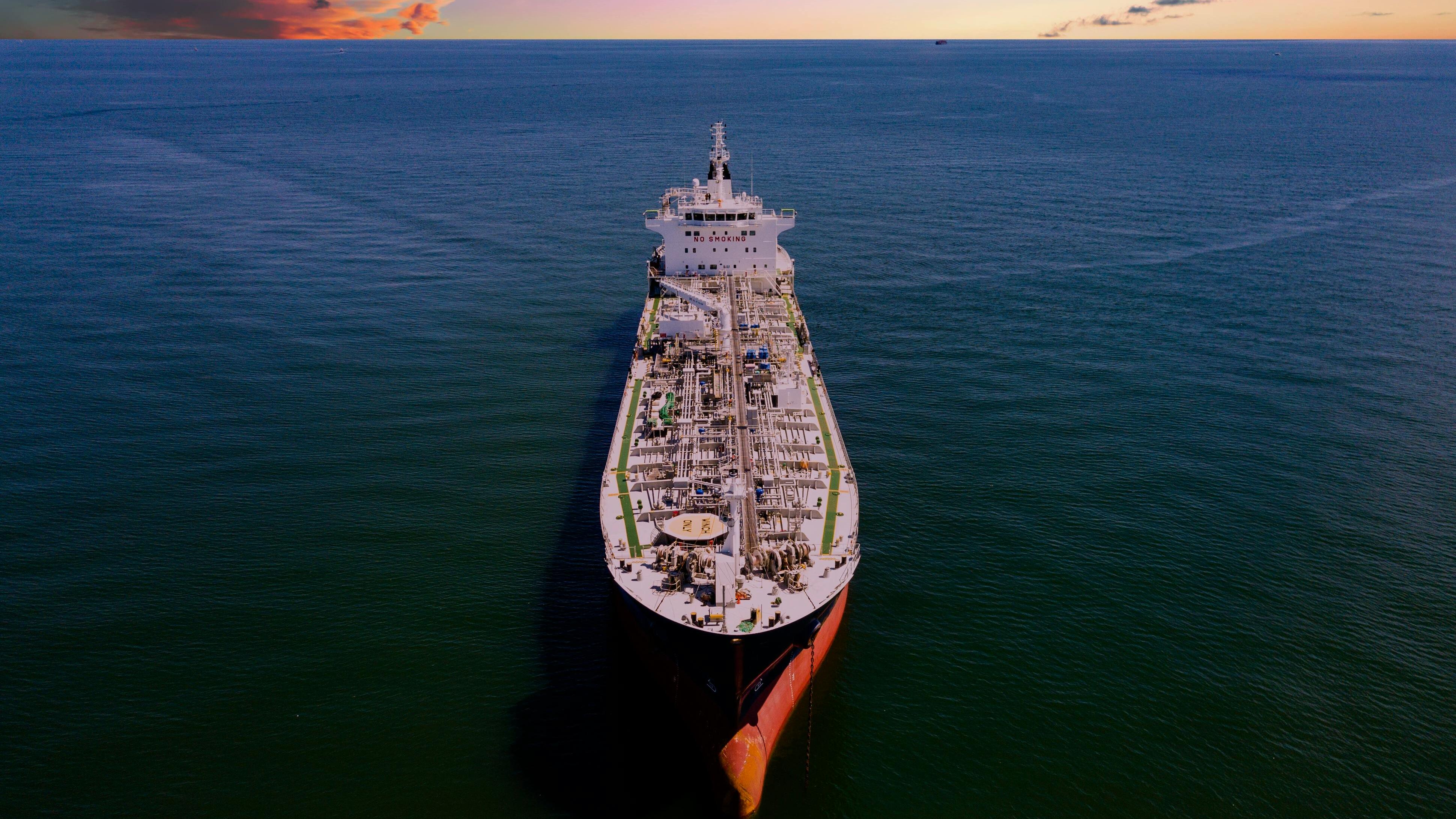
The broader regional conflict has largely remained at an impasse since the United States and Israel paused direct attacks on Iran in early April. Since then, Tehran has continued to restrict shipping through the Strait of Hormuz, the transit route for roughly one-fifth of global oil supplies, while Washington has maintained restrictions on Iranian ports.
The resulting disruption has contributed to one of the most severe oil supply crises in recent years, tightening global crude markets and fuelling concerns about inflationary pressures across major economies.
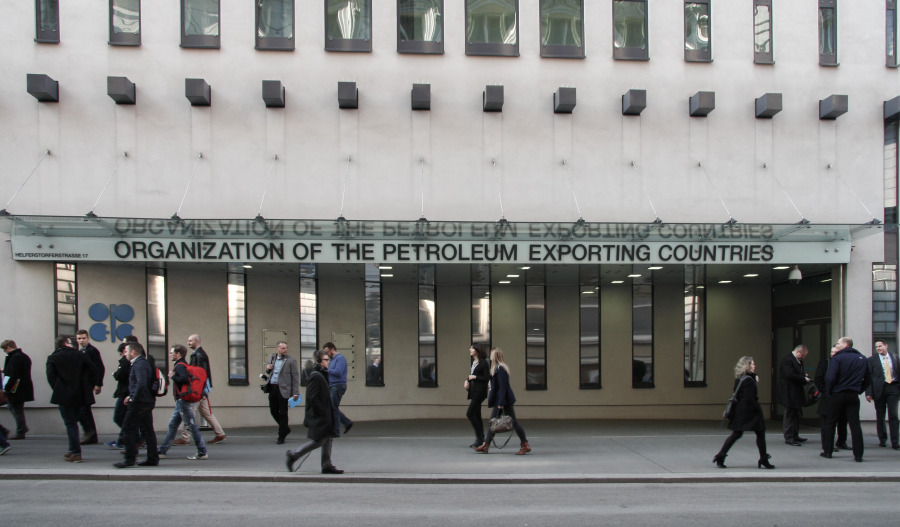
Against that backdrop, OPEC+ agreed on Sunday to raise oil production targets for a fourth consecutive month as the producer group attempts to offset supply shortages and stabilise markets.