Aluminium prices surged to near four-year highs on Monday after Iranian strikes on major Gulf smelters intensified fears of a global supply shock, pushing benchmark London Metal Exchange (LME) futures up as much as 5.5% to US$3,492 a tonne before settling about 3.5% higher at $3,381.
The market reaction reflects mounting concern that physical disruption to production and exports in the Middle East - responsible for around 9% of global aluminium supply - could tip the market into deficit, with analysts warning the risk has shifted from logistics bottlenecks to direct output loss.
Weekend attacks targeted facilities operated by Emirates Global Aluminium and Aluminium Bahrain, among the region’s largest producers.
Emirates Global Aluminium said its Al Taweelah smelter sustained “significant” damage and reported injuries, while Aluminium Bahrain confirmed impacts at its site and said it was assessing operational consequences.
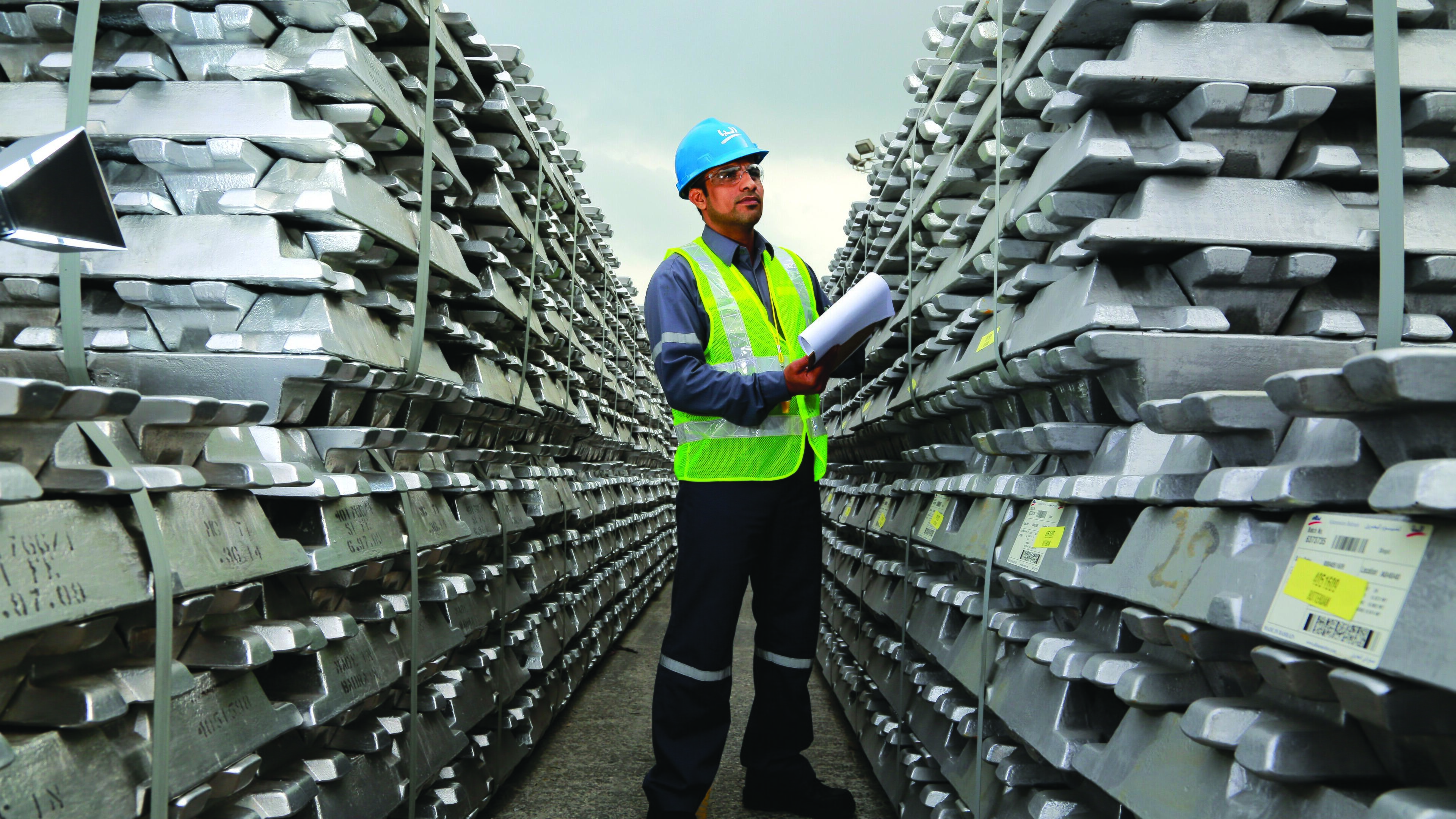
The facilities are central to global supply chains: Al Taweelah alone produced 1.6 million tonnes of cast metal in 2025.
The strikes compound existing disruption after Iran effectively closed the Strait of Hormuz, a critical shipping corridor for Gulf exports.
Producers in the region have already struggled to access international markets, with Aluminium Bahrain earlier shutting down about 19% of capacity and declaring force majeure on deliveries due to transit constraints.
April Kaye Soriano, an aluminium analyst at S&P Global Commodity Insights, said the attacks had “sent shockwaves through the global aluminium market”, raising the likelihood of a sustained supply deficit if damage proves prolonged.
Macquarie Group strategist Joyce Li estimated prior to the strikes that disruptions could cut effective capacity by around 20%, equating to 800,000 to 900,000 tonnes of lost output in 2026.

Further analysis cited by indicates the Gulf’s export-dependent production base leaves major consuming regions - including Europe, the U.S., Japan and South Korea - particularly exposed.
The report notes that prolonged disruption could trigger shortages and rationing, especially in construction and automotive-grade aluminium.
Prices have already risen about 10% since late February as the conflict escalated, despite a brief pullback amid broader recession fears.
Analysts at Wood Mackenzie told the market prices could move above $3,500 a tonne in the near term and potentially approach $3,800 if supply losses deepen.
The crisis highlights structural vulnerabilities in aluminium markets, where production is geographically concentrated and highly energy-intensive.
Smelters cannot be restarted quickly, limiting the ability of alternative suppliers to offset sudden disruptions.
Meanwhile, China, the world’s largest producer, maintains output caps of around 45.5 million tonnes annually to curb emissions and overcapacity, constraining its ability to respond rapidly.
While some industry executives have suggested idle Chinese capacity could be reactivated to stabilise prices, Soriano cautioned that the scope for a significant supply response remains limited.
“The global market remains exposed to further shocks,” she said, particularly if geopolitical tensions spread to other critical metals supply chains.
The price spike has also flowed through to equity markets, with Australian-listed producers including Rio Tinto (ASX: RIO) and South32 (ASX: S33) recording gains as investors reposition towards commodities expected to benefit from tightening supply.