
Gold prices edged higher during Thursday's Asian trade, ticking up from six-week lows as escalating conflict in the Middle East revived demand for safe-haven assets, although gains remain fragile amid a cautious monetary policy outlook from the Federal Reserve.
By 3:15 pm AEDT (4:15 am GMT) spot gold was up 0.7% to US$4,851.04 per ounce.
The recovery follows a sharp decline of 3.7% in the previous session, with the precious metal finding support as geopolitical tensions intensified.
Investors have increasingly turned to gold as a traditional store of value, particularly as the conflict involving Israel and Iran escalates.
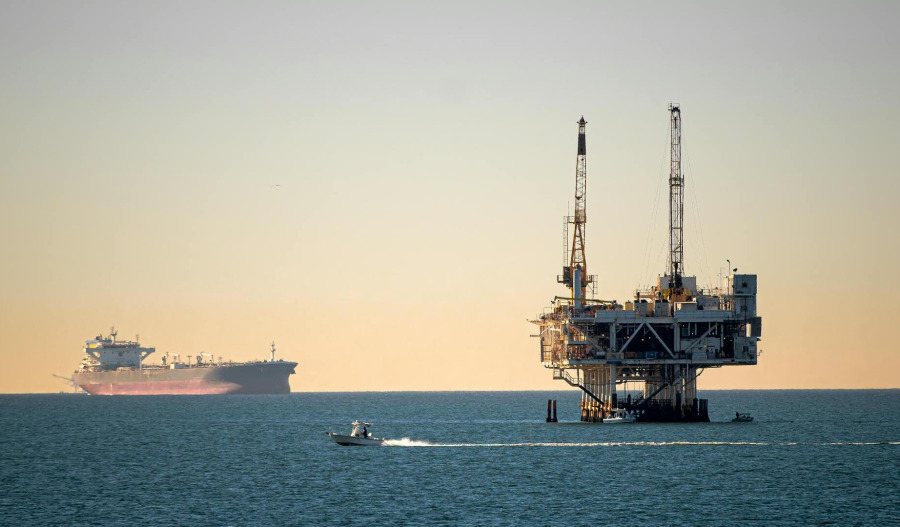
The latest developments have seen Iran target energy infrastructure across the region, including facilities in Qatar, the United Arab Emirates and Saudi Arabia, in retaliation for Israeli strikes on its South Pars gas field, which it shares with Qatar.

At the same time, Reuters reporting indicates that Donald Trump’s administration is considering deploying additional U.S. troops to the region, raising the risk of a broader escalation.
Market participants also moved to cover short positions following gold’s recent sell-off, which had been driven in part by the Fed’s hawkish policy stance.
Despite the rebound, upside momentum may remain limited as investors digest the central bank’s latest decision to hold interest rates steady. The Fed’s “dot plot” continues to signal one rate cut in both 2026 and 2027.
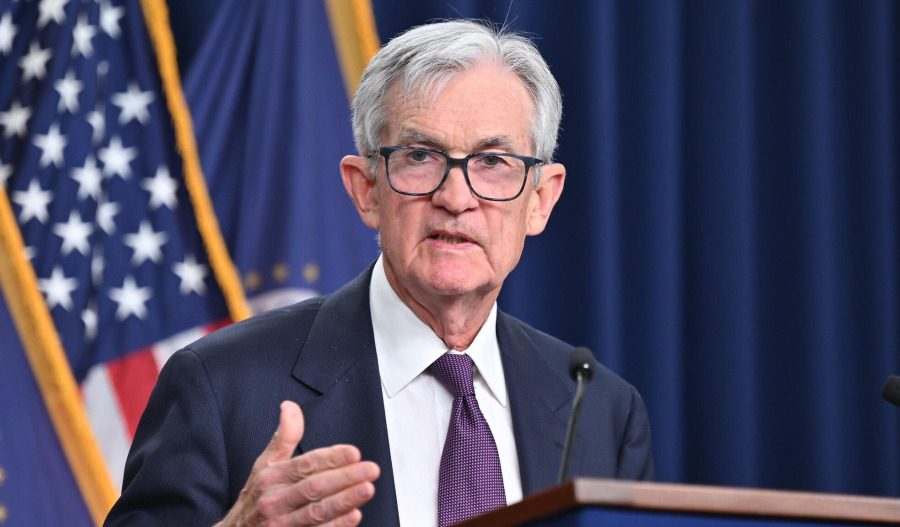
Fed Chair Jerome Powell struck a measured tone following the decision, acknowledging ongoing inflation challenges.
“The forecast is that we will be making progress on inflation, not as much as we had hoped, but some progress on inflation.”
A stronger U.S. dollar could also weigh on gold prices if geopolitical risks intensify further. As investors seek liquidity and safety, the dollar is likely to remain a preferred haven asset, particularly as the U.S. continues to target Iran’s oil and gas infrastructure.