Gold prices struggled for direction during Tuesday’s Asian session, with investors turning cautiously optimistic ahead of renewed diplomatic efforts between the United States and Iran, while also awaiting key signals from United States monetary policy.
Spot gold slipped 0.7% to US$4,789.49 per ounce by 3:50 pm (5:50 am GMT), hovering below the US$4,800 level as traders held back from making decisive moves.
Market attention is centred on a potential second round of peace talks between Washington and Tehran, which could provide clearer direction for risk sentiment.
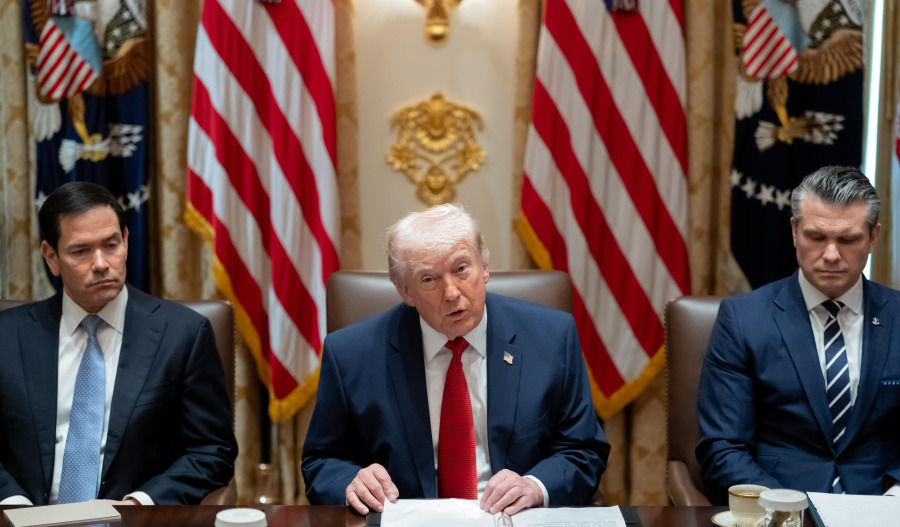
Reports indicate that Iran is preparing to send a delegation to Islamabad, Pakistan, while U.S. President Donald Trump said Vice President JD Vance is expected to travel to resume negotiations “either Tuesday night or Wednesday morning”, per Bloomberg.
The United States is also preparing to send a delegation, with diplomatic momentum building after Iran previously signalled reluctance to participate. Pakistan’s efforts to ease tensions, including attempts to end the U.S. blockade, have contributed to renewed optimism.

However, uncertainty remains elevated. The current two-week ceasefire between the two nations is due to expire this week, and Trump warned that if no agreement is reached, “lots of bombs start going off”.
Despite hopes for progress, market participants remain cautious given the ongoing U.S. naval blockade of Iranian ports and continued risks surrounding the Strait of Hormuz, a key global energy corridor.
Investors are also wary of a potential breakdown in negotiations, particularly after earlier talks faltered this month. The looming ceasefire deadline and indications that the U.S. may not extend the truce have added to market unease.
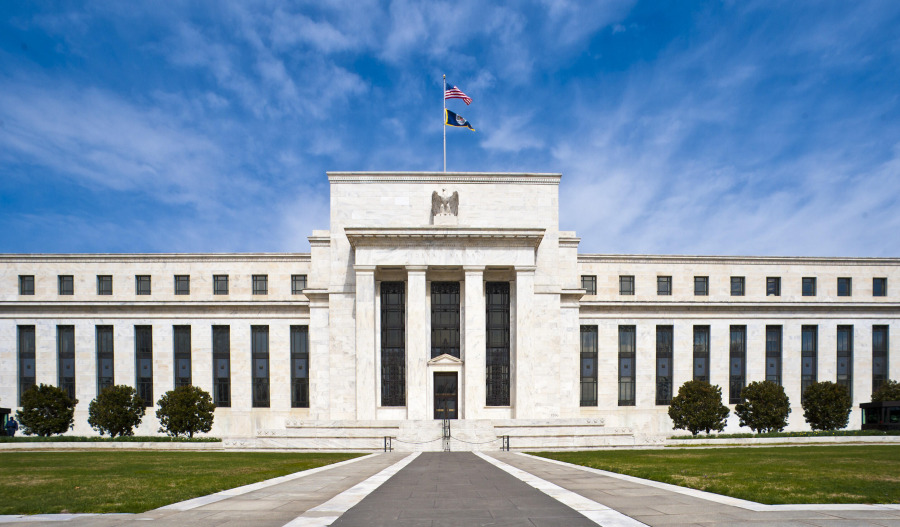
Beyond geopolitics, attention is also shifting to monetary policy signals. Traders are refraining from placing fresh directional bets ahead of testimony from Federal Reserve chair nominee Kevin Warsh, as well as upcoming earnings reports from major U.S. technology companies, including Tesla and Meta Platforms.
Warsh is expected to emphasise the importance of central bank independence in his remarks, stating he is "committed to ensuring that the conduct of monetary policy remains strictly independent", according to prepared comments.