Gold prices edged lower during Monday’s Asian session, hovering near multiweek lows as the United States dollar index (DXY) climbed to a monthly high amid growing expectations the Federal Reserve could keep interest rates higher for longer.
By 4:15 pm AEST (6:15 am GMT), spot gold was down 0.1% at US$4,535.34 per ounce.
The U.S. dollar remained supported by heightened geopolitical tensions in the Middle East and rising Treasury yields, reducing demand for non-yielding assets such as gold.
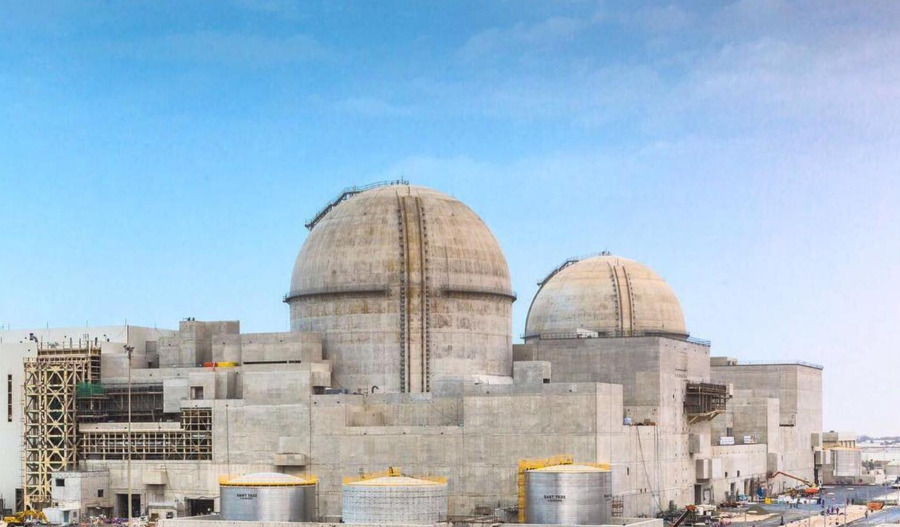
Investor sentiment remained cautious after a drone strike caused a fire at the Barakah Nuclear Power Plant in the United Arab Emirates.
Saudi Arabia also reported intercepting three drones launched from Iraq and warned it would respond to any violation of its sovereignty and security.
U.S. President Donald Trump further escalated tensions by warning Iran to move quickly toward a deal or face severe consequences.

In a post on Truth Social, Trump wrote that the “clock is ticking” and there “won’t be anything left” if action is not taken soon, adding that “time is of the essence”.
Rising oil prices have also fuelled inflation concerns, reinforcing expectations of a more hawkish Federal Reserve stance and supporting the U.S. dollar.
Market participants are also monitoring the impact of the U.S. blockade of Iranian ports and the effective closure of the Strait of Hormuz, developments that have strengthened expectations of a potential Fed interest rate increase in 2026.
According to the CME Group’s FedWatch Tool, traders are now pricing in more than a 40.7% chance the Federal Reserve will raise borrowing costs by the end of the year.
The outlook for elevated U.S. Treasury yields continued to underpin the dollar, limiting upside momentum for bullion.
Investors now turn their attention to the release of the Federal Open Market Committee (FOMC) minutes later this week for fresh signals on the Fed’s policy outlook.
Markets will also monitor global flash PMI readings and geopolitical developments, which could continue to drive volatility across financial markets and influence demand for both the U.S. dollar and gold.