Gold prices retreated during Thursday's Asian trade, pulling back from a two-week high near the US$4,800 mark as renewed strength in the United States dollar and escalating geopolitical tensions weighed on the precious metal.
Spot gold was down 1.9% at $4,669.78 per ounce by 3:15 pm AEDT, reversing gains from earlier in the session and looking set to snap a four-day winning streak.
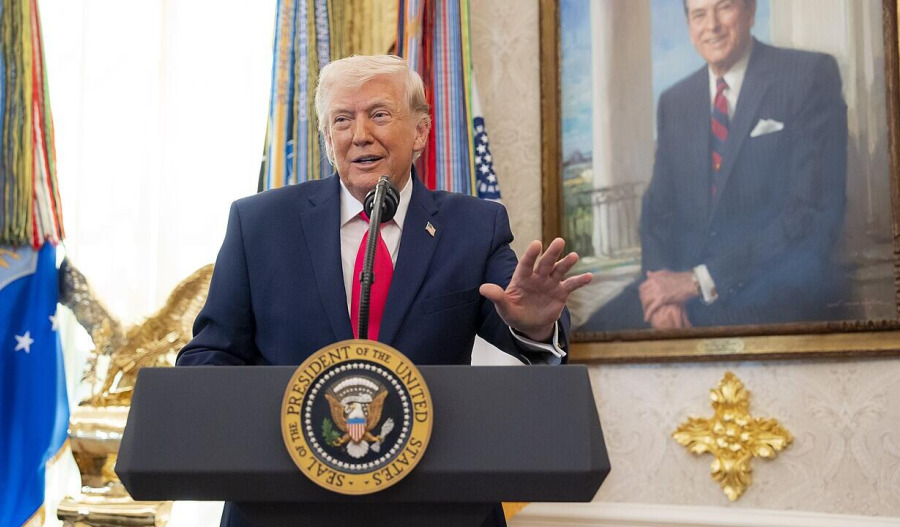
The decline followed comments from U.S. President Donald Trump, who struck a more aggressive tone on the ongoing conflict with Iran, dampening hopes for a near-term de-escalation.
In an address to the nation, Trump warned that Iran would face intensified military action over the next two to three weeks if no agreement is reached.
His remarks reinforced demand for the U.S. dollar, which benefited from its status as the world’s primary reserve currency during periods of heightened uncertainty, placing downward pressure on gold.

Trump also indicated that Iranian energy infrastructure could remain a target, adding to concerns about prolonged disruption in the region.
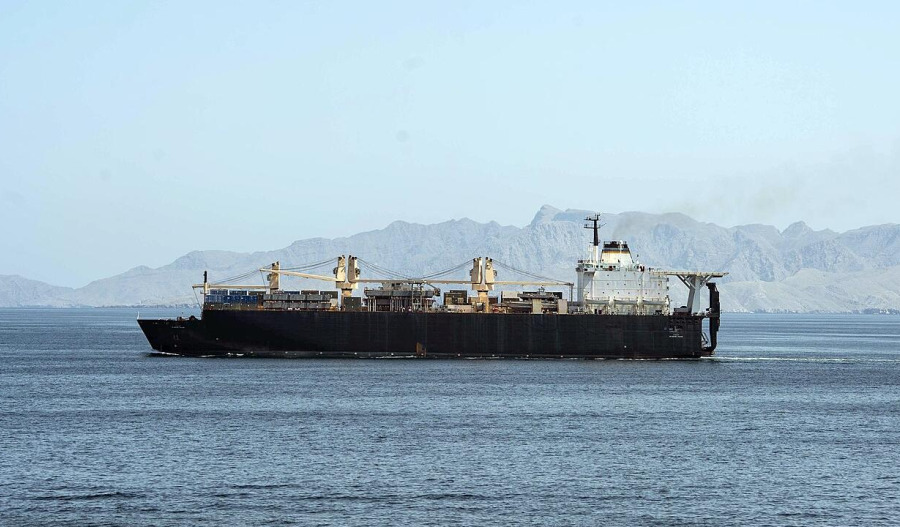
Further geopolitical developments added to market volatility. Reports suggested that the United Arab Emirates is advocating for military intervention to secure the Strait of Hormuz, including efforts to push for a United Nations Security Council resolution to authorise such action.
The escalation in tensions triggered a renewed rally in oil prices, which in turn revived inflation concerns among investors. Higher energy costs are seen as a key driver of price pressures, strengthening expectations that the U.S. Federal Reserve may need to maintain a tighter monetary policy stance or even consider further rate increases.
The combination of a stronger dollar and rising rate expectations proved negative for gold, which typically loses appeal in a higher interest rate environment due to its lack of yield.
Looking ahead, volatility in gold markets is likely to remain elevated as investors continue to monitor developments in the Middle East.
While the U.S. nonfarm payrolls report due on Friday (Saturday AEDT) remains an important data point, its immediate impact may be overshadowed by geopolitical factors.