Global leaders impacted by the war in the Middle East discovered they had little power to mitigate the economic damages of the war and instead will have to count on the United States leadership to resolve the crisis.
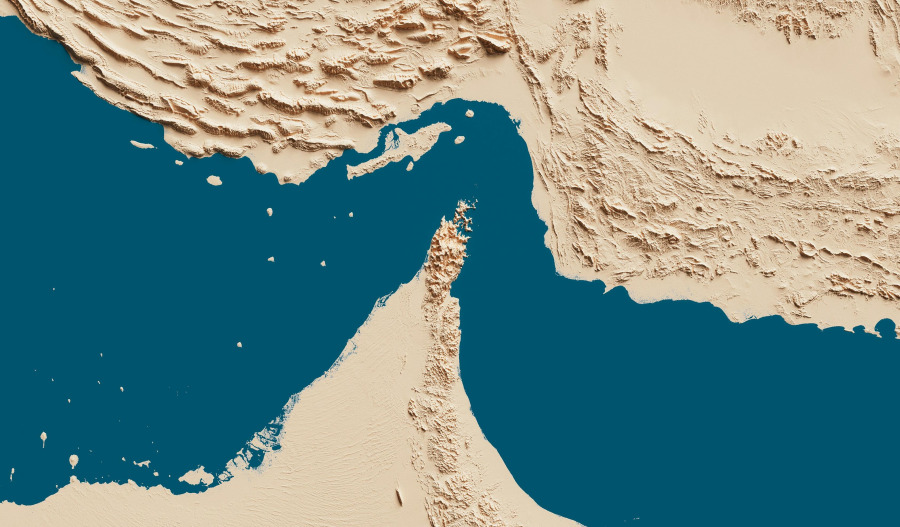
During the International Monetary Fund (IMF) and World Bank Spring Meetings in Washington, participants swung from pessimism over the current economic outlook due to rising energy prices and supply shocks to tentative optimism as it appears Iran may open the Strait of Hormuz.
However, this began to fade amid new attacks on shipping.
The IMF and the World Bank pledged up to a combined US$150 billion (A$209 billion) in new financing assistance for developing countries hit hardest by the massive energy price shock, and celebrated their re-engagement with Venezuela’s acting government after a seven-year pause.
The organisations have warned countries not to hoard oil and not to go overboard with expensive and untargeted fuel subsidies.
Atlantic Council international economics chair Josh Lipsky said the meeting isn’t where the most important economic decisions are being made, as the world awaits statements from Tehran and the White House.
“The single most important development in the global economy happened between the US and Iran,” he said.

“We hope it’s good news, and we’ll wait and see.”
While oil futures began to rise, Saudi Arabian finance minister Mohammed Al Jadaan expressed what many officials were feeling when he said he wasn’t comfortable predicting an improved outlook until tankers started moving freely through the strait again.
“If the clear waters are open,” Al-Jadaan told a news conference.
“I think that’s what would trigger, for me, a change in the scenario.”
The IMF said the global economy was drifting to an adverse growth scenario of 2.5%. This is already a downgrade from its mild cut to 3.1% that it previously released under the most optimistic scenario.
Even if the current ceasefire proves sustainable, the IMF also said that countries requiring bailout support may need around $20 billion to help alleviate “considerable hardship around the globe.” This could rise to about $50 billion if the fragile pause in the US-Israel-Iran military conflict breaks down.
Many finance ministers and officials who attended the meeting in Washington expressed frustration over being thrust into another war.
Many countries have declined to help Trump in the war.