The prancing horse Ferrari's long-awaited electric debut drew a sharp market rebuke on Tuesday, wiping more than 8% from the Italian marque's Milan-listed shares as critics questioned whether the car remains true to the brand's identity.
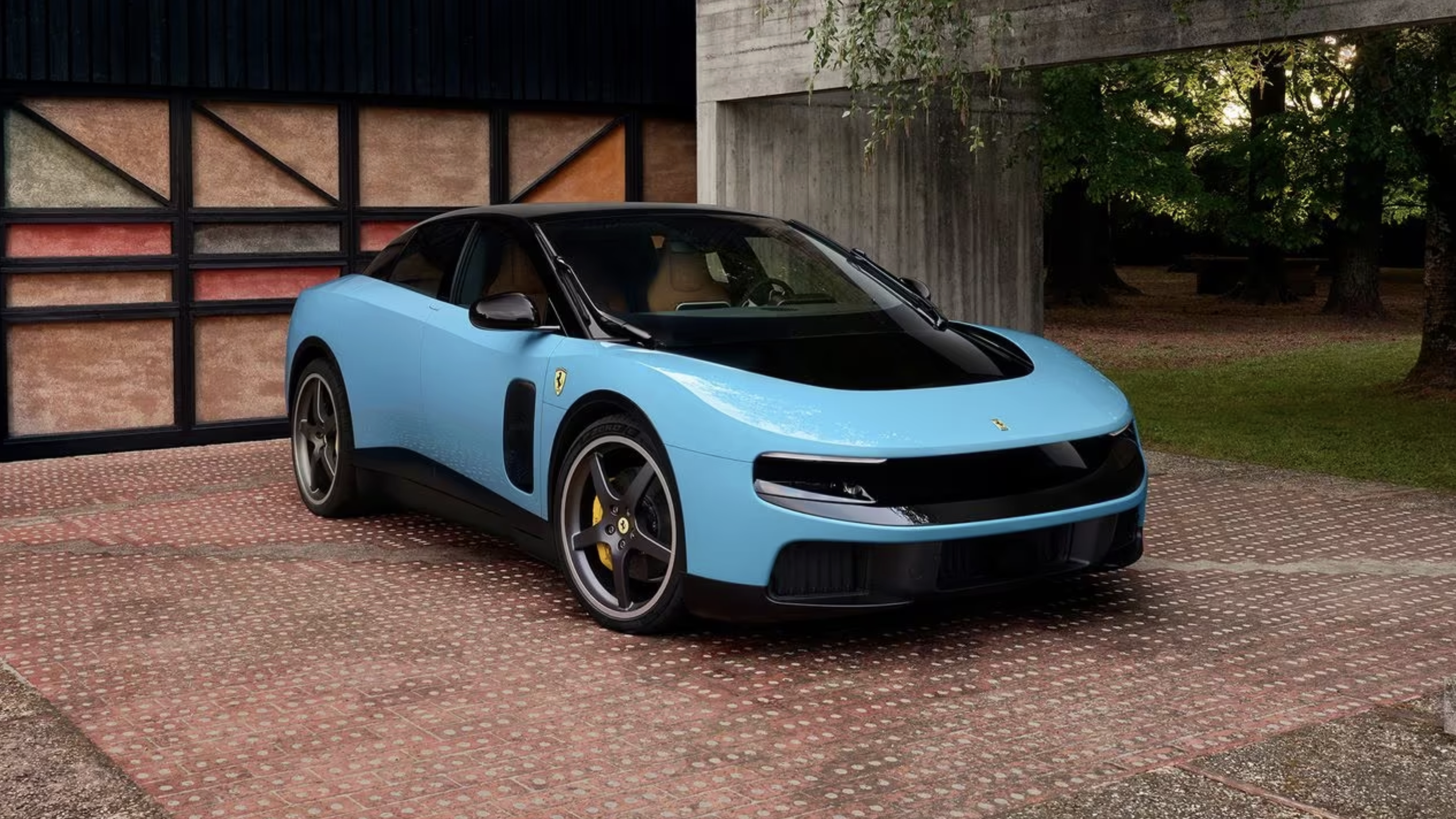
Shares in the Italian luxury carmaker plunged more than 8% on Tuesday after investors and critics reacted coolly to the Luce, its first fully electric vehicle, with the market's central grievance being whether the car remains true to the brand's identity.
The stock closed down 8.4%, with the New York listing shedding 5.3%.
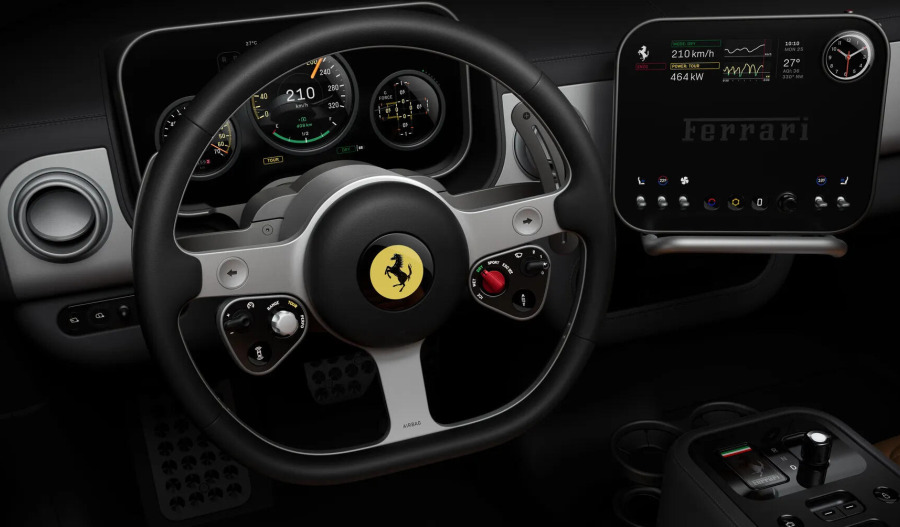
The Luce is a four-door grand tourer carrying a quad-motor all-wheel-drive system producing 1,050 horsepower, powered by a 122 kWh battery pack on an 800-volt architecture, with a claimed 0-60 mph time of 2.4 seconds and an EPA-rated range of approximately 280 miles.
Starting price sits at €550,000 - roughly US$640,000 at current exchange rates - placing it alongside the most exclusive combustion models in the current range.
Maranello unveiled the Luce at Rome's Vela di Calatrava sports complex on 25 May, with the company noting that its first-ever race victory came in Rome in 1947, when Franco Cortese won the Gran Premio di Roma in a Ferrari 125 S.
Chairman John Elkann framed the car as a generational statement, saying the company was "not simply unveiling a new car" but "inaugurating a chapter that turns our vision into reality, strengthening our tradition of anticipating and shaping the future".
Identity
Luca Cordero di Montezemolo, who led the marque for more than two decades before his acrimonious departure in 2014, called the Luce a betrayal of the brand's history and said he hoped the company would remove the prancing horse logo from the car.
Italian Deputy Prime Minister and Transport Minister Matteo Salvini weighed in on X, writing that the car looked nothing like a Ferrari and questioning whether the design represented genuine innovation.
The Luce was developed in collaboration with LoveFrom, the design collective founded by former Apple design chief Jony Ive.
On the question of sound, the company developed a system that uses accelerometers to capture real vibrations from the electric motors and rear chassis, with software filtering and enhancing specific frequencies to produce what Maranello describes as a more "musical" output both inside and outside the cabin.

The strategic logic
Chief executive Benedetto Vigna has framed the Luce as an addition to the lineup rather than a break from petrol and hybrid models, consistent with the company's broader 2030 plan that retains room for combustion engines alongside electric vehicles.
The car is aimed at new markets, including China, where electric vehicles account for a growing share of premium car sales, and at a new generation of wealthy buyers - including technology-sector entrepreneurs in Silicon Valley - as the marque seeks to widen its customer base beyond its traditional owners.
AcomeA SGR portfolio manager Fabio Caldato, whose fund holds shares in the Italian carmaker, told Reuters the selloff reflected both aesthetic disappointment and deeper concerns about what an electric range expansion means for the brand's exclusivity, adding that his firm would assume the Luce might appeal to a niche segment.
Buyers of the marque's cars typically own more than one vehicle from the brand, reflecting a collector-driven and deeply loyal customer base.
Deliveries are expected to begin in the fourth quarter.