
While gold and silver have recovered from their initial flash crashes, the industrial sector is now digesting a wave of corporate earnings that highlight the "structural decline" in Chinese property demand.
The focus has shifted to the massive US$10 billion Project Vault initiative, as the U.S. government moves to underwrite domestic supply chains for critical minerals.
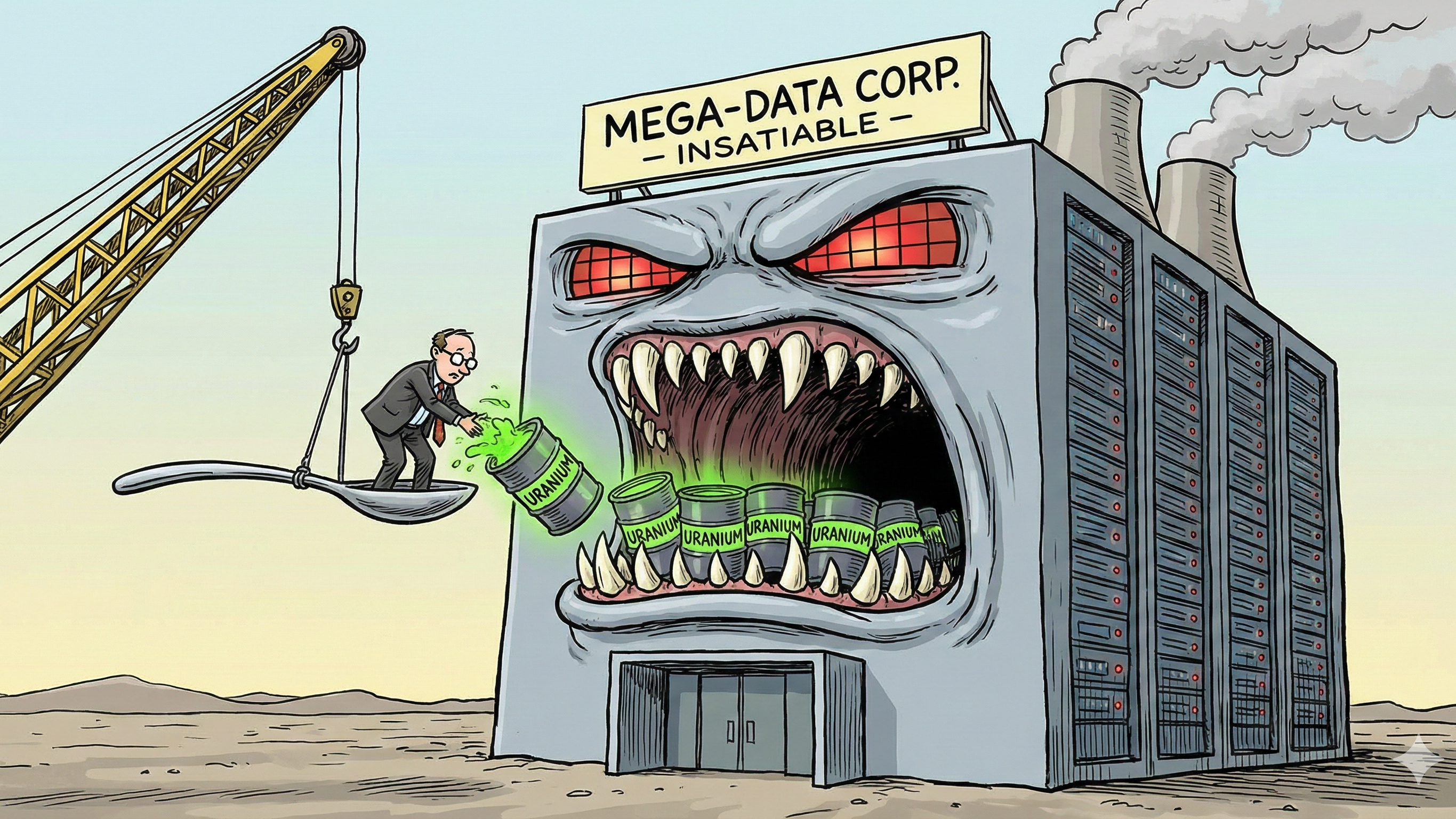
And tech giants (Microsoft, Google, Meta) are no longer just looking for green energy; they are signing long-term power purchase agreements (PPAs) to fuel power-hungry AI data centres.
Precious Metals
Gold (US$5,200/oz)
The yellow metal’s price action remained volatile as markets adjusted to the hawkish policy shift at the Federal Reserve.
Prices recovered some ground after the initial shock of the Warsh nomination, which had briefly strengthened the U.S. dollar and triggered mass liquidations.
Despite the pullback, analysts from WisdomTree noted that structural uncertainty will persist, as central banks in emerging markets continue to accumulate bullion as a hedge against U.S. fiscal policy.
Silver (US$86.77/oz)
Silver staged a powerful recovery this week, reclaiming significant ground after its mid-month correction.
The metal continues to serve as a high-beta proxy for gold, but with an added boost from industrial demand in AI hardware, which has kept physical markets tight.
Recent inflows into the iShares Silver Trust suggest that retail and institutional buyers are moving to capitalise on the volatility as the "Year of the Horse" begins in Asia.

Energy
Crude Oil (Brent US$68.10/bbl; WTI US$63.50/bbl)
Oil markets are navigating a complex landscape as U.S. sanctions on Rosneft and Lukoil threaten to disrupt Russian exports to India.
Goldman Sachs recently raised its Brent oil forecast for the end of the year to US$64/bbl, citing lower-than-expected commercial stocks in OECD countries.
However, Barclays warned that geopolitical tensions pose asymmetric risks, as the market remains at odds with the "super glut" narrative suggested by rising production in the U.S.
Natural Gas & LNG (US$3.41/MMBtu)
U.S. natural gas prices have eased as a wave of new supply from projects like LNG Canada and Qatar’s North Field East begins to hit the water.
The IEA is flagging accelerating gas demand for 2026, primarily to feed the electricity requirements of hyperscale data centres.
Despite the long-term demand growth, full inventories in Europe and Asia are expected to overwhelm near-term demand, keeping a lid on spot pricing.
Coal (US$107.10/t)
Thermal coal prices remain supported as U.S. power generators delay plant retirements to prevent grid instability during the AI infrastructure boom.
Conversely, China’s seaborne coking coal imports are slowing as Mongolian overland shipments expand, reducing the reliance on high-cost imported cargoes.
The sector remains bifurcated between robust demand for energy security in the West and a slowing steel industry in the East.
Uranium (US$96.50/lb)
Uranium futures have reached their highest level in two years as the nuclear renaissance gains momentum.
Lotus Resources, as an example, is moving forward with the restart of its Kayelekera mine in Malawi, targeting first shipments in Q2 to meet the deficit.
With "Big Tech" firms locking in long-term supply contracts, the floor for uranium prices appears to be structurally higher in 2026 than in previous cycles.
Industrial Metals
Copper (US$12,850/t)
Copper remains one of the tightest markets in the complex, with a forecast deficit of 4–5% for the year.
The recent collapse of the US$75 billion merger talks between Rio Tinto and Glencore has left both firms hunting for high-quality assets to defend their growth strategies.
Rio Tinto reported that it is doubling down on copper following the failure of the deal, as miners scramble for future supply.
Lithium (US$18,400/t)
Lithium prices are stabilising as the market matures and the U.S. government launches its strategic critical minerals reserve.
The Project Vault initiative involves a US$10 billion direct loan to provide long-term financing for manufacturers and processors in the battery supply chain.
This policy shift marks a new era of federal support, designed to de-risk the midstream sector and reduce dependence on foreign-controlled processing.
Nickel (US$16,680/t)
Nickel prices saw a minor relief rally as the market weighed expectations of Indonesian production cuts against high global inventories.
However, the upside remains capped by weakening demand from the EV sector, as subsidies in major economies expire.
Vale recently announced the sale of its Manitoba nickel complex to an investor group, reflecting the ongoing consolidation in the high-cost mining space.
Aluminium (US$3,045/t)
Aluminium is holding above the US$3,000 mark as high energy costs continue to throttle European smelting capacity.
Prices are also being bolstered by China’s adherence to its 45mt production cap and rising regional premiums in the U.S. following new trade measures.
Iron Ore (US$100.11/t)
The iron ore market is facing structural headwinds, with prices testing the US$100/t support level.
Analysts at ANZ forecast that prices could dip towards US$90/t by year-end as seaborne supply expands by 45mt in 2026.
BHP noted in its latest earnings that the market is becoming more surplus-prone, as the giant Simandou mine in Guinea begins its long-awaited ramp-up.