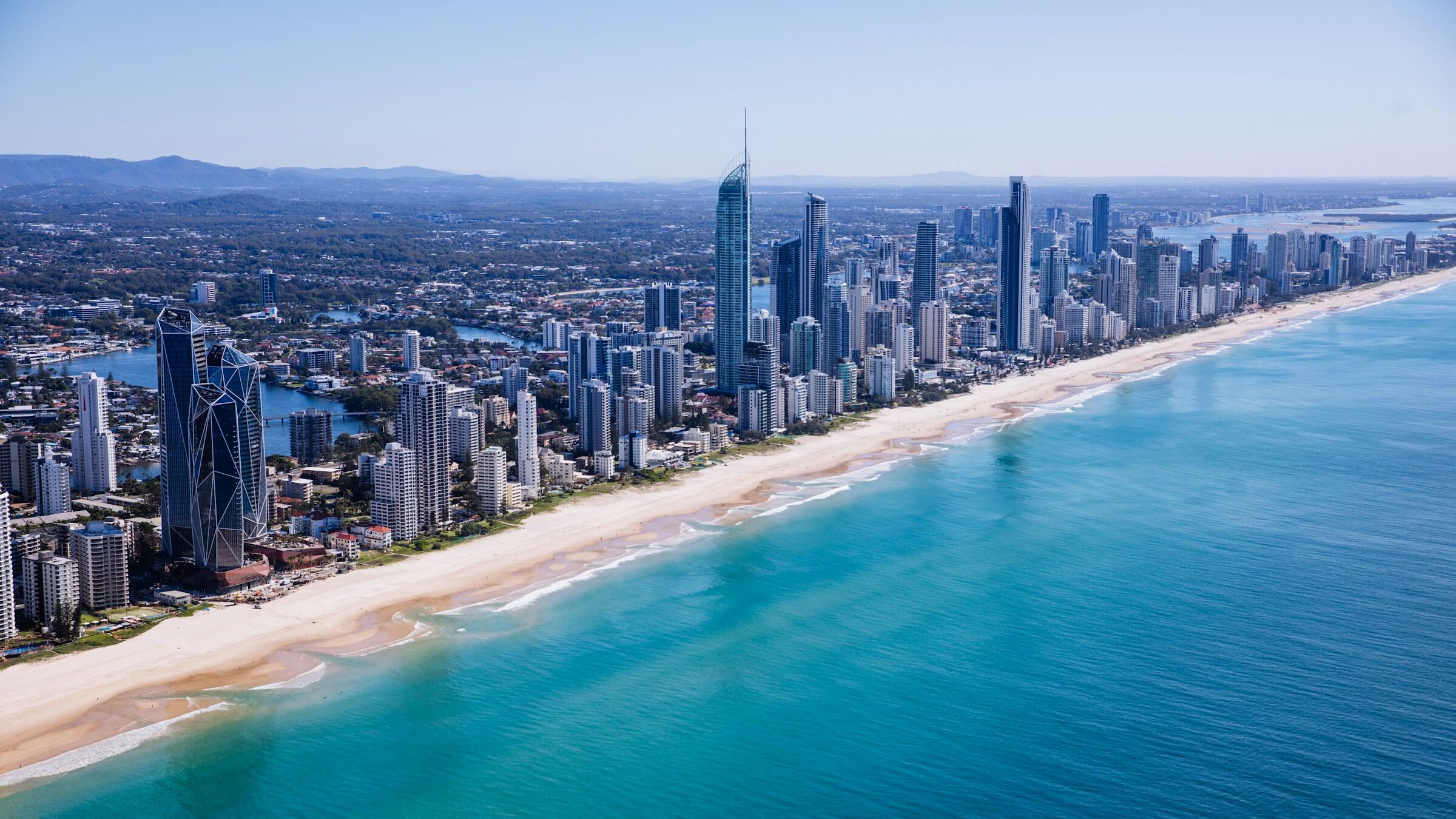
Property values in Australia’s desirable coastal suburbs have recovered from floods far faster than those in inland or regional areas, according to a Cotality report.
Coastal suburbs in southeast Queensland largely saw property values rebound within 18 months after floods in early 2022, while values in many affected inland areas in northern New South Wales remain below their January 2022 levels.
“This analysis demonstrates that lifestyle-based demand remains a stronger driver of value than climate risk, even where lived experience has shown communities how significant the effects of natural disasters can be,” said Cotality head of sustainability solutions Richard Griffiths.
“Our analysis shows that communities with deeper buyer demand, stronger amenities and higher value housing stock tend to bounce back far quicker, even when they have sustained significant physical damage from an event. Conversely, flood-affected inland and regional areas have faced prolonged stagnation and, in many cases, values that still haven’t returned to where they were in early 2022.”
Combined, property values in the impacted coastal markets surveyed were up 31.3% from January 2022 to January 2026.

Broadbeach Waters and southern Southport posted the largest value increases, rising 44.2% and 47.1% respectively. Paradise Point’s Hollywell had the quickest recovery rate, with median property values returning to their January 2022 levels just eight months after the floods.
Meanwhile, median values in flood-hit inland areas like Ballina and Lismore have yet to recover. Property values in January 2026 were 5.6% below January 2022’s levels across the inland markets surveyed.
Mullumbimby’s property values remain 22.8% lower than four years ago, the lowest of any inland area in the report. The first inland area surveyed to see a full recovery in values was Casino Surrounds, 18 months after the floods.
This disparity comes as regional housing values nationally grow faster than those in capital cities. In the three months to January, regional dwelling values rose by 3.2%, above the 2.1% seen across capitals.
“This is a national challenge. As climate events become more frequent, the gap in how Australian communities experience and recover from disaster will only widen, further exacerbating inequality between more desirable coastal communities and rural areas,” said Griffiths.