Insurance giant Chubb has been selected as the lead insurer in a United States government-backed programme designed to restore commercial shipping through the Strait of Hormuz, as conflict involving Iran disrupts one of the world’s most critical oil transit routes and pushes energy prices higher.
The initiative, led by the U.S. International Development Finance Corporation (DFC), will provide up to US$20 billion (A$27.97 billion) in reinsurance to cover war-related losses for vessels transiting the Gulf.
Under the plan, Chubb will issue primary insurance policies to shipowners, with the DFC absorbing a large share of the risk to encourage insurers and shipping firms to resume operations in the high-risk corridor.
The programme is intended to address a sharp contraction in shipping traffic since the outbreak of hostilities with Iran in late February.
Tanker operators and crews have increasingly avoided the route amid repeated attacks on commercial vessels and the prospect of escalating military action.
“The commerce passing through the Strait of Hormuz plays a vital role in the global economy, and providing vessels with insurance protection is essential for resuming trade flows,” Chubb chairman and chief executive Evan Greenberg said in a statement.
Oil markets have reacted strongly to the disruption.
Benchmark Brent crude traded above US$91 a barrel on Wednesday despite the International Energy Agency announcing a coordinated release of 400 million barrels from strategic petroleum reserves held by its member countries.
The agency estimates that, in normal conditions, roughly 15 million barrels of crude and a further 5 million barrels of refined products pass through the Strait of Hormuz daily.
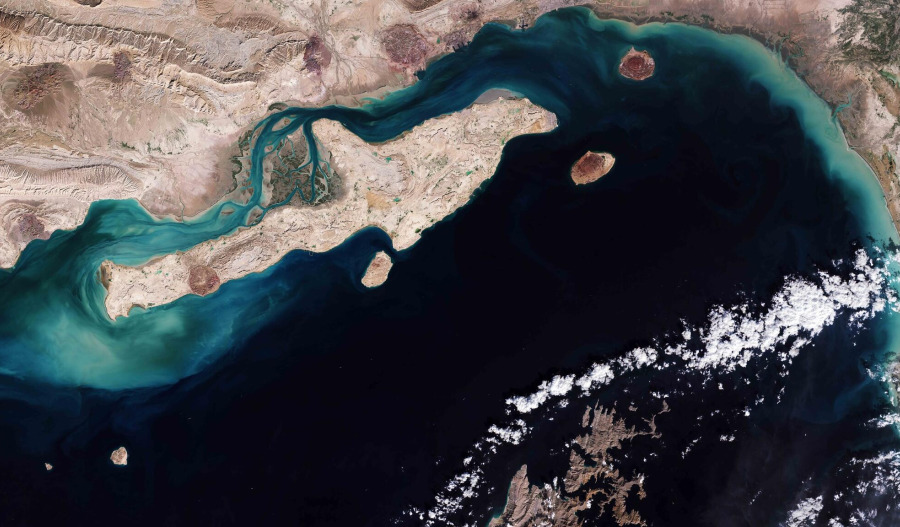
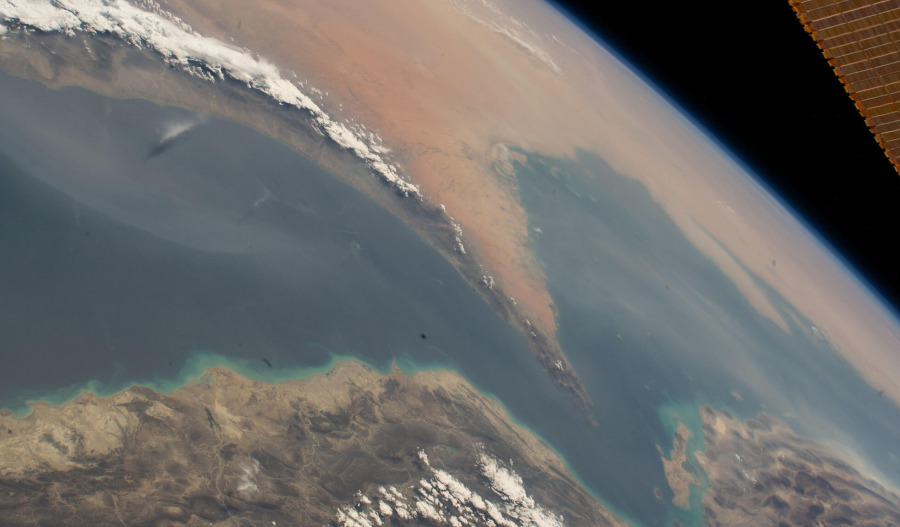
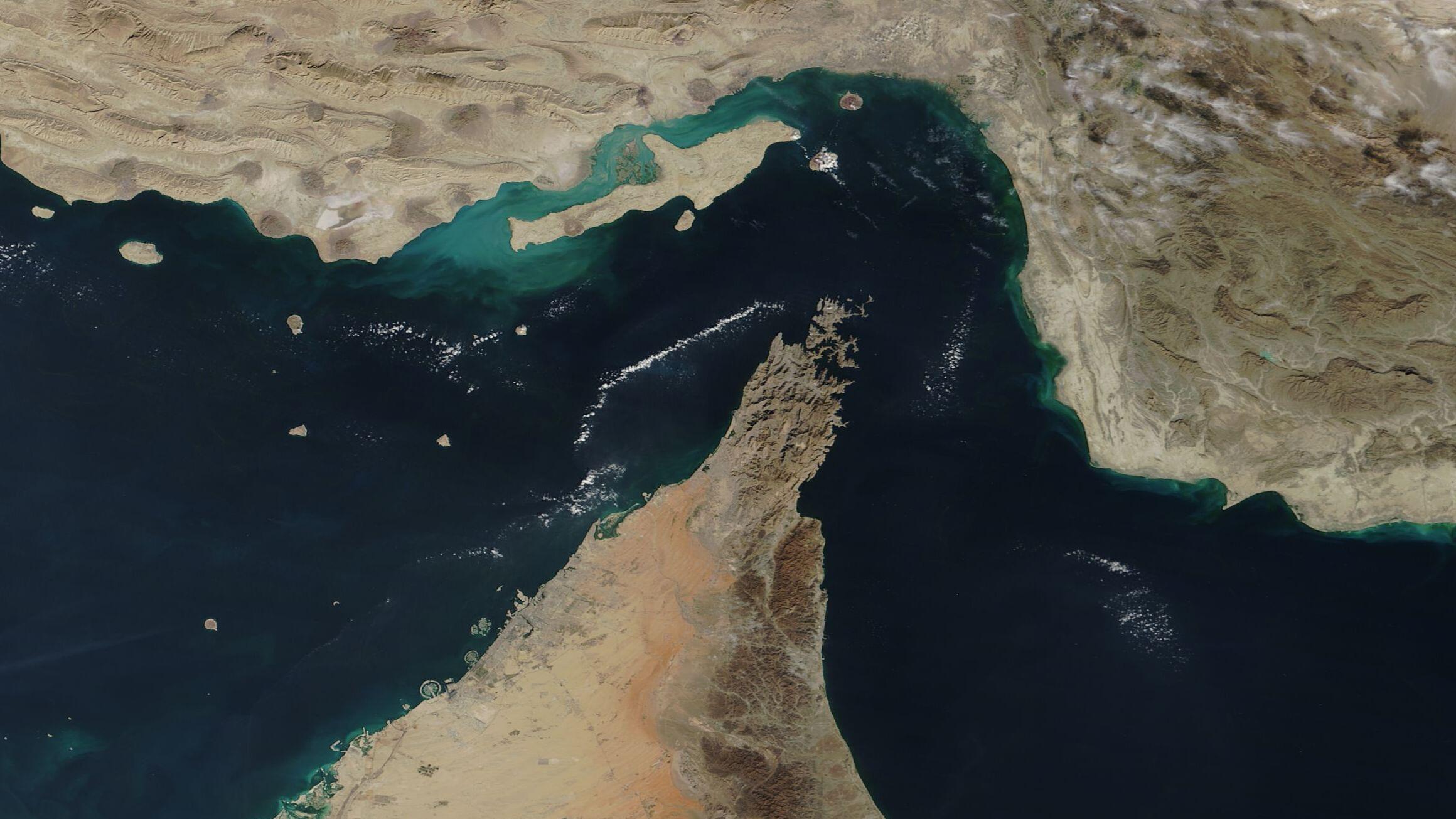
The narrow waterway along Iran’s southern coast connects the Persian Gulf with the Arabian Sea and serves as the only maritime outlet for several major oil exporters.
Any sustained interruption to traffic through the strait has historically triggered sharp volatility in global energy markets.

Under the DFC facility, reinsurance will be provided on a rolling basis to cover losses associated with the conflict, including damage to hulls and machinery, cargo losses and environmental liabilities linked to potential oil spills.
The coverage is designed to address a gap in standard maritime insurance, which typically excludes war-related risks or prices them at prohibitive levels in active conflict zones.
A DFC official said Chubb would act as the central point for processing vessel and cargo information and coordinating insurance issuance.
The agency said it may add additional insurers to expand capacity as the programme develops.
However, financial protection alone may not be sufficient to restore shipping flows.
On Wednesday, the UK Maritime Trade Operations centre reported that three vessels off Iran’s coast had been struck by projectiles, highlighting the continued danger to commercial traffic.
Analysts say the willingness of crews to transit the strait remains the decisive factor.
“The physical insurance that only the U.S. military can provide, and the financial risk that insurance can provide, need to go hand-in-hand,” said Rachel Ziemba, a senior adviser at the political risk consultancy Horizon Engage.
U.S. President Donald Trump has warned Iran that any attempt to block shipping through the strait would trigger a significantly stronger military response, while also suggesting the United States could intervene to secure the route.
Despite the insurance backstop, industry officials say commercial traffic is unlikely to recover fully unless the security situation stabilises or naval escorts reduce the risk of further attacks.