We may be rapidly approaching a future where the cars you buy will be made by humanoid robots.
The humanoids market is likely to reach US$5 trillion by 2050, Morgan Stanley Research has projected, with more than one billion humanoids being used at that time. Leading companies have planned to introduce their humanoids in manufacturing, including automakers like Hyundai and Tesla.
While some United States humanoid developers have struggled to deploy their robots on schedule, China’s humanoid companies have leveraged government support to swiftly expand the country’s industry.
What are humanoids?
Humanoids are human-shaped robots that use limbs and sensors to interact with their environments, and are operated by artificial intelligence.
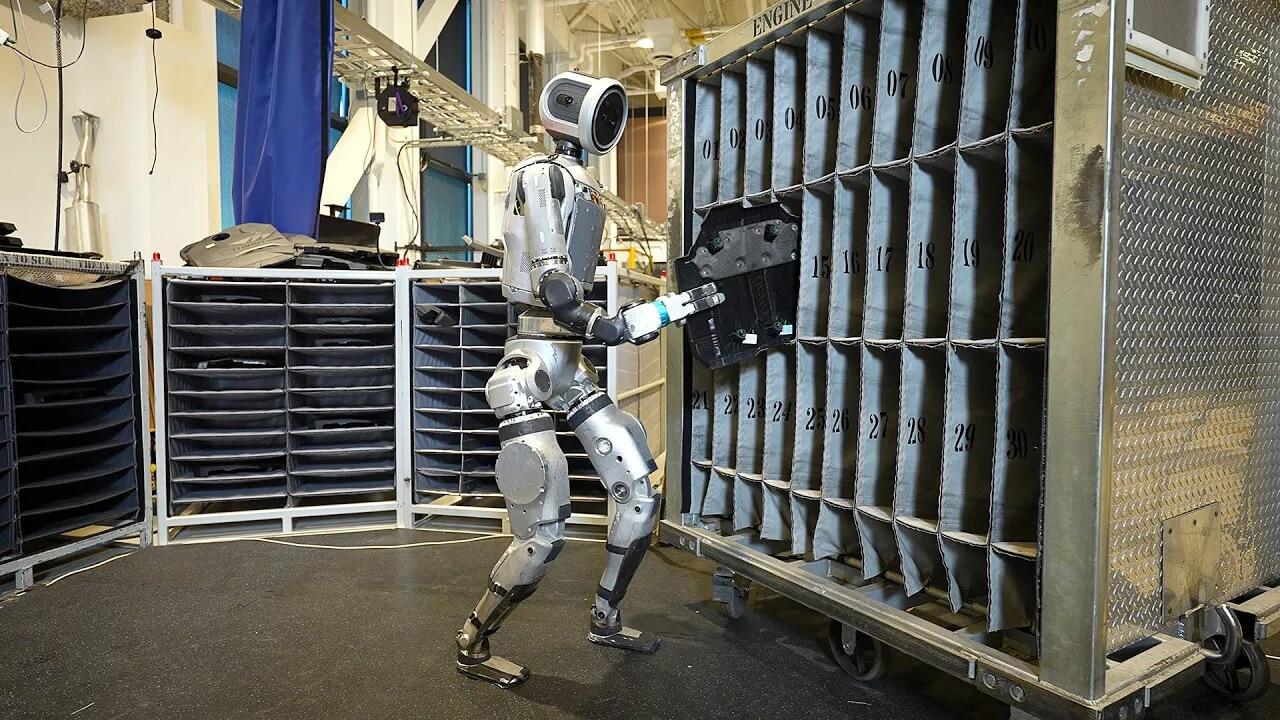
Many leading developers hope to deploy humanoids in manufacturing and warehouse contexts. Robotics developer Boston Dynamics’ Atlas humanoid will be used in parent company Hyundai’s factories by 2028, the company has said. Tesla has also claimed that it will add its own humanoids to its car manufacturing processes.
Companies have indicated that deploying robots could allow them to downsize their human workforces. Amazon reportedly aims to avoid hiring more than 160,000 U.S. workers by 2027 by adding robots to its warehouses, according to internal documents.
However, incorporating both robots and human employees into a workplace can produce greater economic value, a Binghamton University study found.
“Simply put, deploying robots in a collaborative manner with humans can alter social dynamics in ways that encourage unit members to feel, act and think together,” researchers, including Chou-Yu Tsai, wrote.
“By leveraging these resources through the deployment of robots in collaborative settings, organisations can not only generate additional economic value from their human capital but also improve their ability to capture a greater share of that value in the competitive market.”

The state of US humanoids
While the U.S. humanoids industry is expanding, its major developers have only recently released commercially available humanoids or are still struggling to do so.
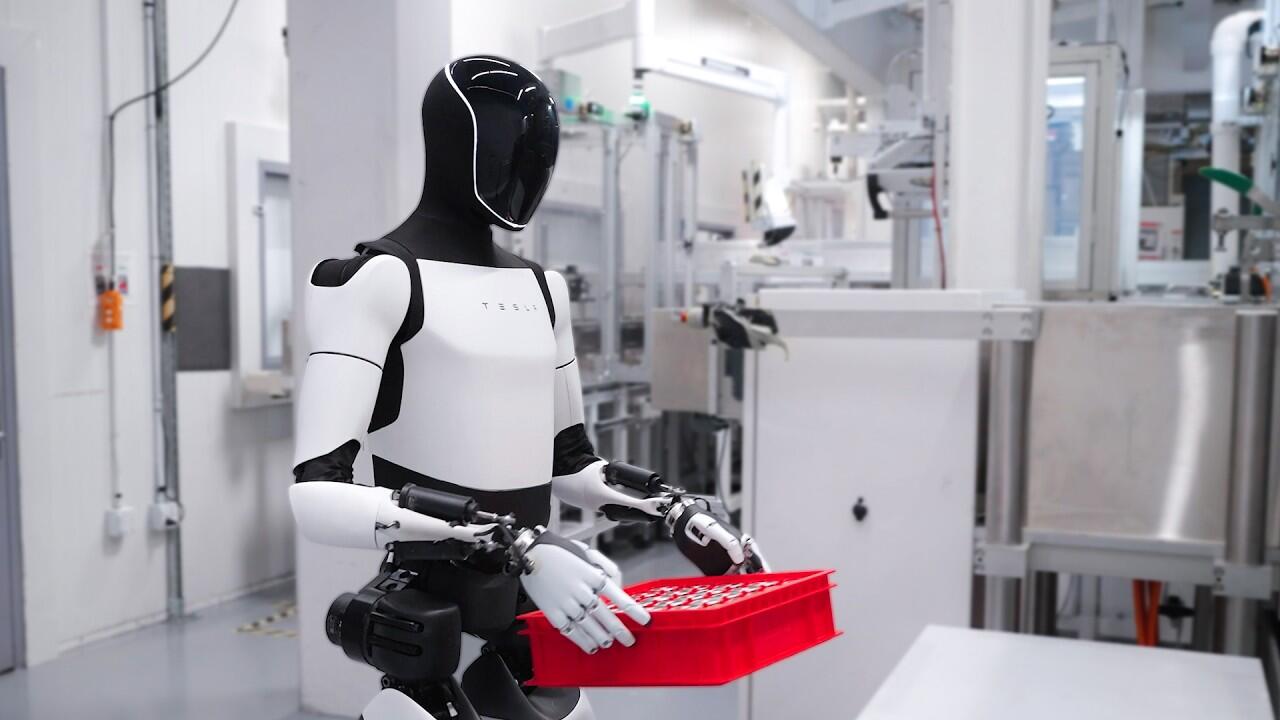
Electric vehicle maker Tesla plans to pivot towards building humanoids, its CEO, Elon Musk, has repeatedly said. Tesla will sunset its Model X and S cars and repurpose these factories for humanoid production, Musk announced in January.
In September, Musk wrote that he eventually expects around 80% of Tesla’s value will stem from its Optimus robot. Optimus is intended as a general-purpose humanoid, but Tesla has said it first plans to deploy these robots in factory contexts.
Musk had projected in 2024 that at least one thousand Optimus robots would be working in Tesla’s factories by 2025, but said in January’s earnings call that no Optimus models were currently being used “in a material way”.
“We are still very much at the early stages of Optimus. It’s still in the R&D phase,” said Musk. Tesla “wouldn’t expect to have any kind of significant Optimus production volume until probably the end of this year.”
Current Optimus models’ viability also remains unclear. At a showcase in 2024, the Optimus robots were reportedly being controlled by human teleoperators, and an Optimus model appeared to gesture as if a teleoperator had removed their headset at an event in December.
Meanwhile, Boston Dynamics revealed the product version of its Atlas robot in January. Atlas production began immediately, the company said, and it will ship fleets to Google DeepMind and parent company Hyundai this year.
New U.S. competitors are also emerging. Startup Apptronik said in February that it raised $520 million in a funding round, which included investors like Mercedes-Benz and Google. It plans to expand the company, ramp up production, and continue developing its Apollo humanoid.
China surges ahead
In the meantime, China’s humanoids industry is rapidly growing.
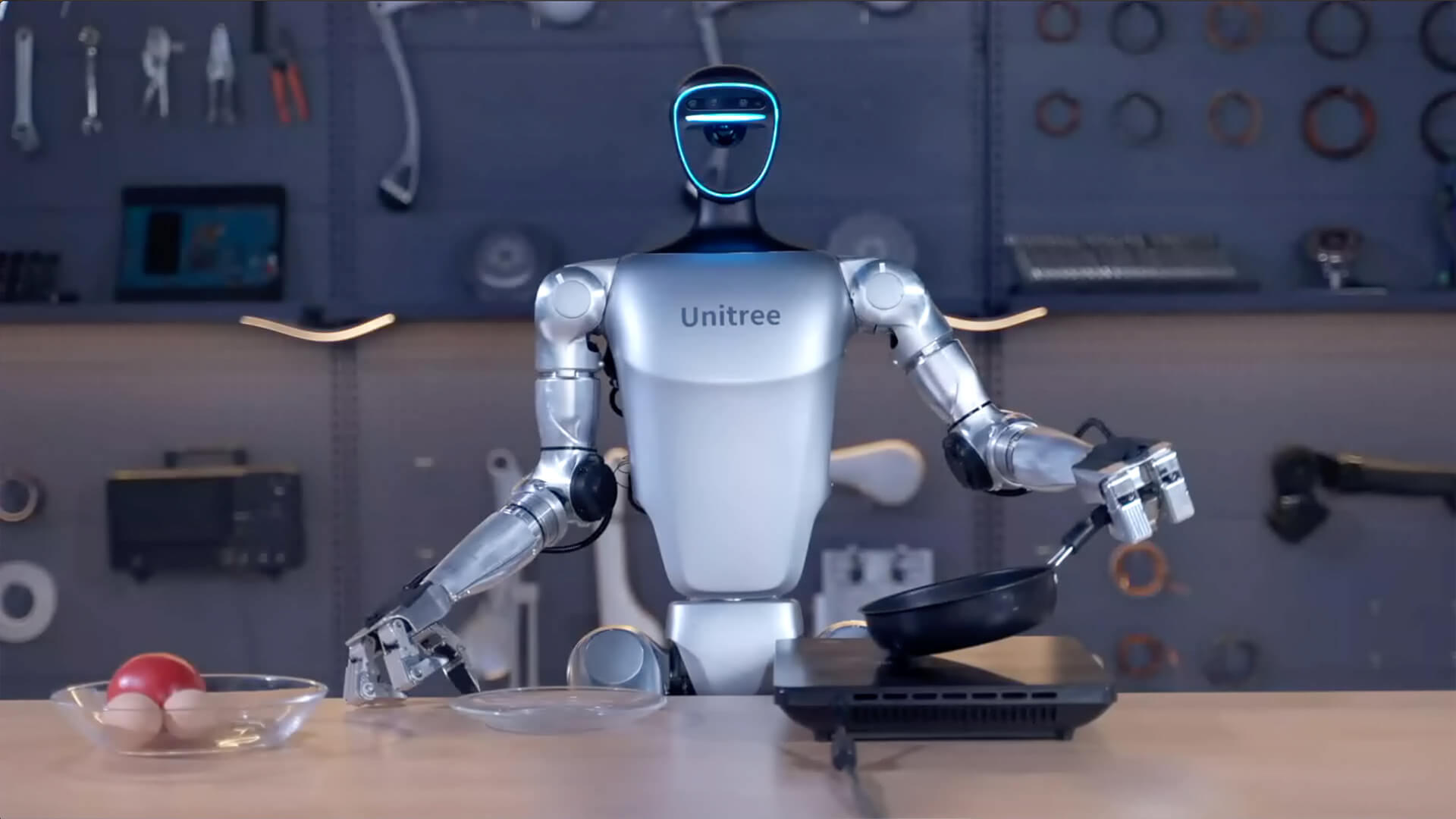
Almost 90% of all humanoid robots sold worldwide last year were made by Chinese companies. China-based Unitree and Agibot were the two top-selling companies in 2025, selling over 5,000 humanoids each.
More than 302 million of the humanoids Morgan Stanley Research predicts will be in use by 2050 would be in China, compared with roughly 78 million in the U.S.
This is largely due to state support for the industry. China’s government selected humanoid robotics as a key sector for technological breakthroughs in its 2021 Five-Year Plan, and established a state-backed venture capital fund for robotics and AI last year that it projects will attract almost CN¥1 trillion in the next two decades.
“It is becoming apparent that national support for ‘embodied AI’ may be far greater in China than in any other nation, driving continued innovation and capital formation,” said Morgan Stanley head of industrials research Sheng Zhong.
“There are some leading U.S. players in humanoid design and development at this stage, but China could catch up when humanoids reach downstream application and mass production, riding on its strong self-sufficient supply chain.”
China-made humanoids are also significantly cheaper to purchase, with Unitree’s robots reportedly costing around 10% of a typical U.S. humanoid’s price.
Unitree and Agibot are both preparing for initial public offerings this year, but the industry is growing more competitive with a spate of new entrants in the country. The number of China-based registered humanoid manufacturers surged from 110 in April 2025 to 200 in November, with Chinese companies releasing at least 137 new humanoid products in the first 10 months of that year.