China’s annual consumer price inflation accelerated to its highest rate in three years during December, while the full-year rate slumped to its lowest level in 16 years.
According to the National Bureau of Statistics (NBS), the December consumer price index (CPI) rose 0.8% from the same month in 2024.
According to Reuters, this was in line with analysts' expectations and a jump from the 0.7% increase in November.
The rise was primarily driven by food prices, especially fresh vegetables and beef, which grew 18.2% and 9.2% respectively.
However, pork prices fell 14.6% and prices of gold jewellery surged 68.5%.
Core inflation, which excludes volatile prices of food and energy, increased 1.2% year over year in December, unchanged from the month prior.

Despite this, the 2025 inflation gauge was flat, missing its official target of around 2%, signalling that Beijing’s stimulus measures implemented so far, including a consumer goods trade-in program, have done little to boost demand.
This was also due to a prolonged property market crisis and a weak job market.
On a monthly basis, CPI rose 0.2% in December, compared to the 0.1% decrease in the previous month and the prediction of a 0.1% rise.
The producer price index (PPI) dipped by 1.9%, remaining in a deflationary funk for more than three years, even as it eased from a 2.2% drop in November
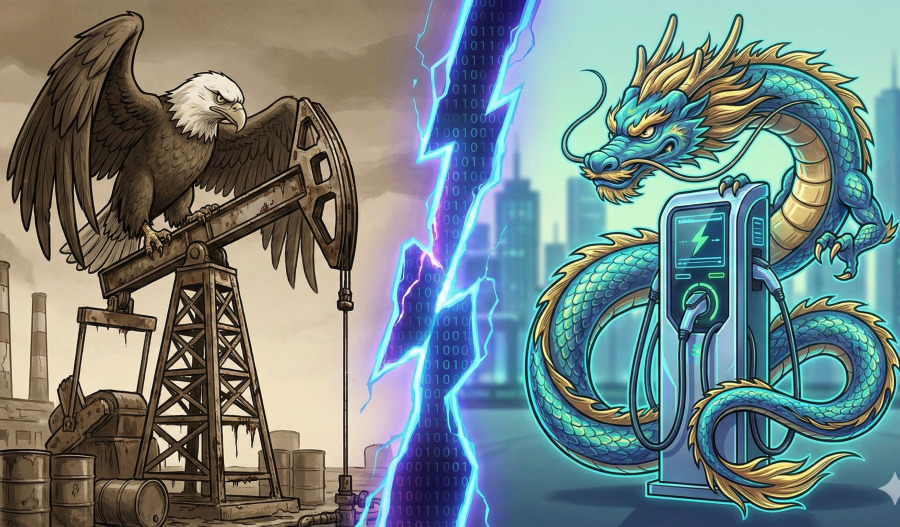
It also comes as China is in a trade war with the U.S.. The two countries recently reached a truce.
China was one of the U.S.’s largest trading partners in 2024.
China is also Australia’s largest trading partner, with China accounting for 25% of Australia’s goods and services trade in 202,4, totalling US$312 billion.