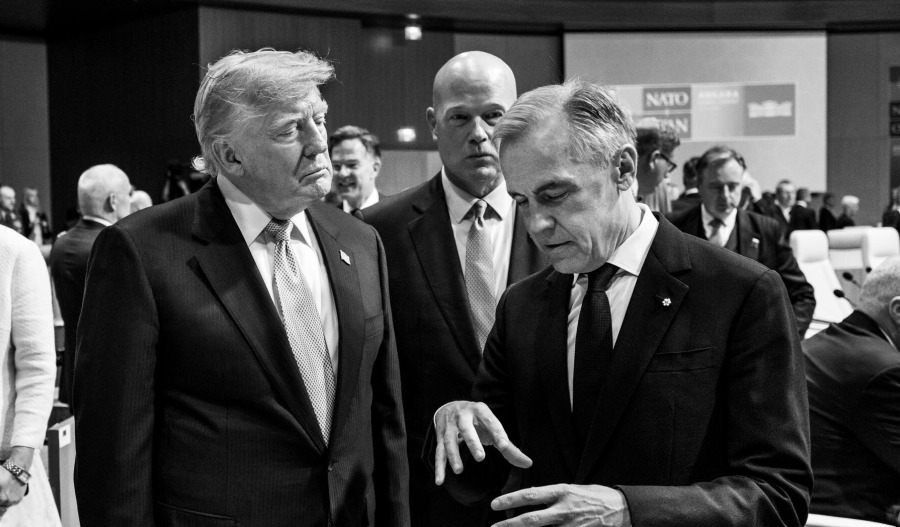
Canada has imposed retaliatory tariffs on a wide range of United States goods worth C$27.6 billion, escalating a trade dispute with Washington after negotiations between the two countries collapsed last month.
The duties, which took effect Tuesday, range from 15% to 50% across hundreds of U.S. products, including dairy, agricultural equipment, paper, household appliances and electronics.
Tariffs on U.S. steel, aluminium and iron products have doubled to 50%, while furniture, motorbikes, clothing and some beauty products are also subject to the highest rate.
Ottawa described the measures as a “dollar for dollar” response to new 50% U.S. tariffs imposed on about $20 billion worth of Canadian goods, including wine and hockey sticks, on 22 August.
The U.S. duties were introduced under a Depression-era law hours after the long-standing allies failed to reach a trade agreement that would have prevented them.
Officials from both governments have since accused each other of making unacceptable last-minute changes to a deal that was reportedly close to completion.
Canada's Department of Finance said the retaliatory measures would protect domestic workers, producers and manufacturers by helping them compete with U.S. products in the Canadian market.

Existing Canadian counter-tariffs, including a 25% levy on the politically sensitive automotive sector, will remain in place.
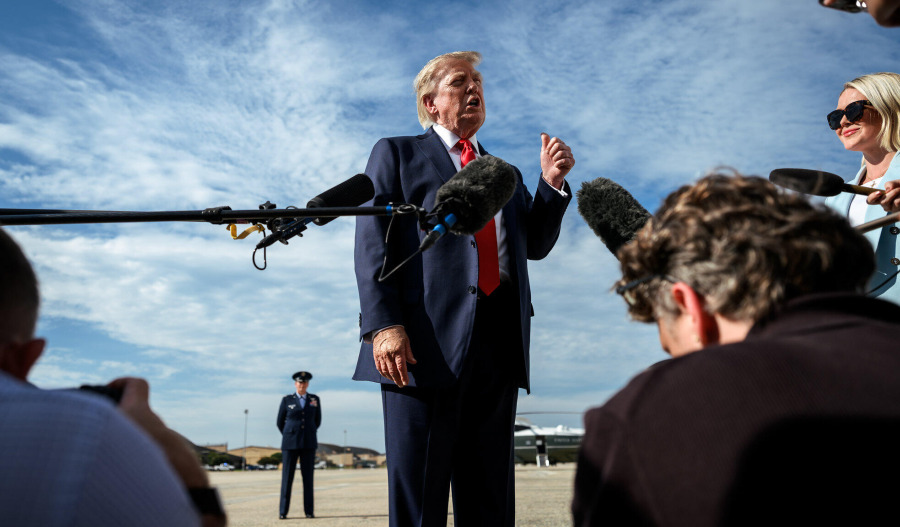
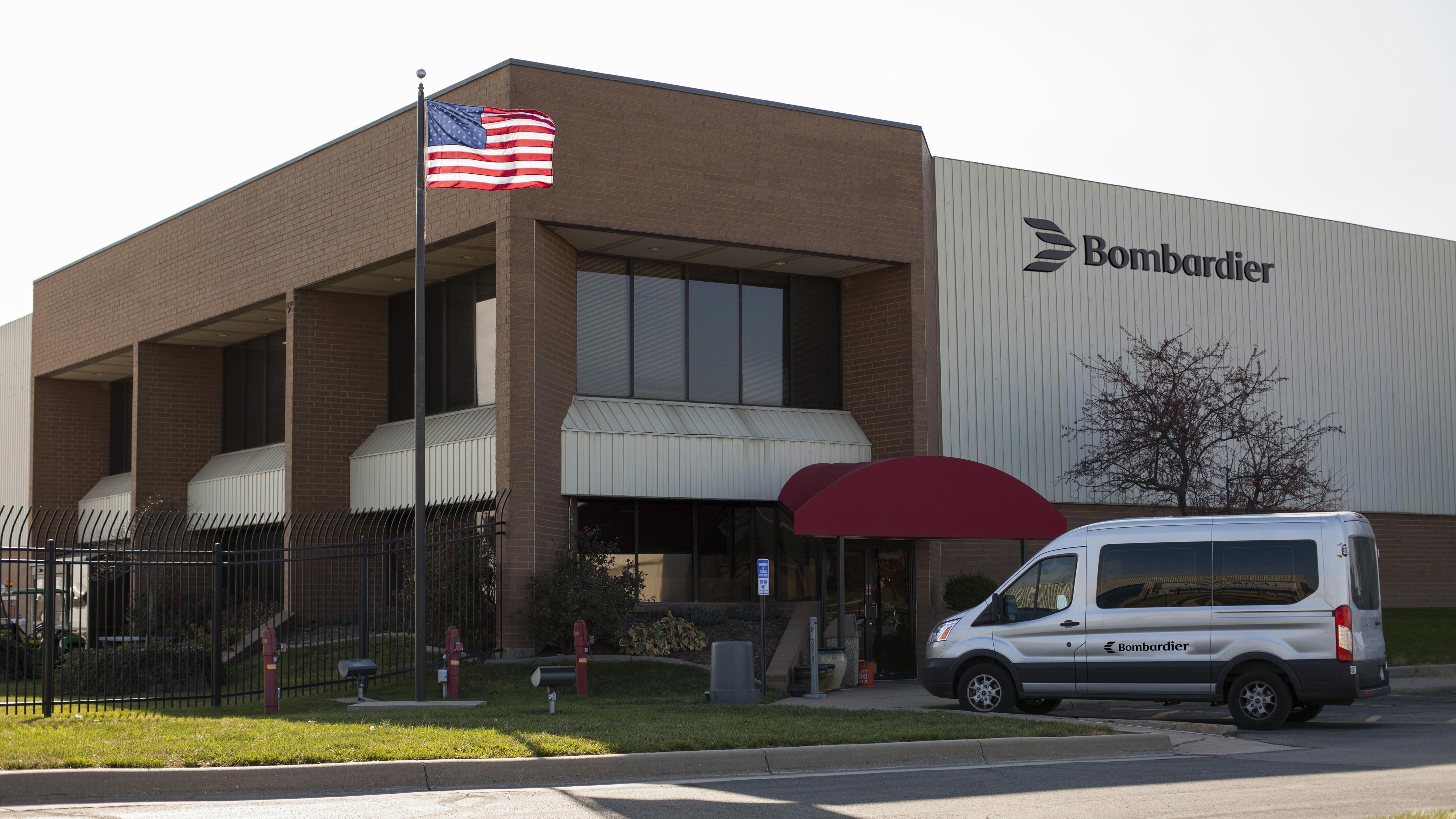
Tensions rose further on Monday when President Donald Trump called for a boycott of Canadian aircraft manufacturer Bombardier.
“NO MORE SELLING BOMBARDIER IN THE UNITED STATES!” Trump wrote on Truth Social, saying the company should build aircraft in the U.S. if it wants access to the American market.
The comments prompted pushback from some Republican lawmakers in states where Bombardier has operations, including Kansas.
Sen. Jerry Moran said Bombardier's Wichita operation supports more than 1,000 local workers and contributes to the U.S. defence and aerospace industries.
He said he had contacted the Trump administration to highlight the company's contribution to Kansas.
Sen. Roger Marshall also said in a post on X that he would fight to protect more than 1,200 Bombardier jobs in Kansas, adding that he had raised the issue with the White House.