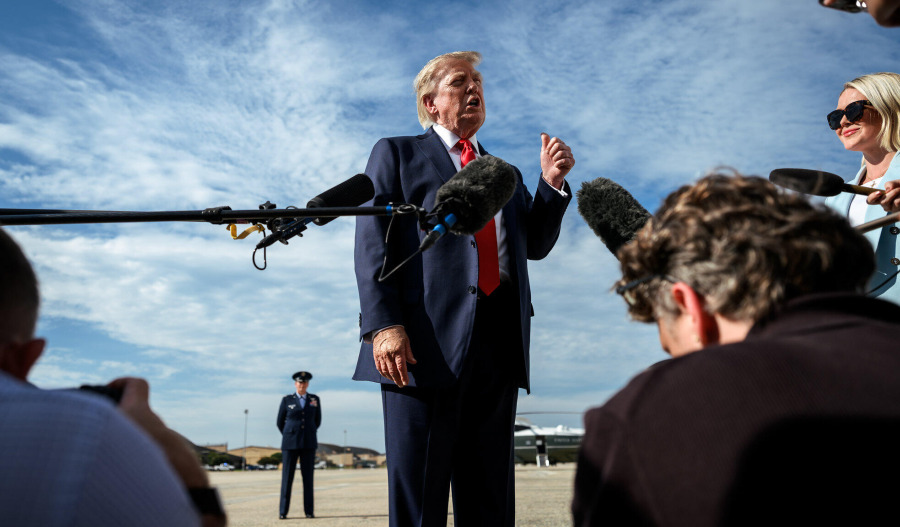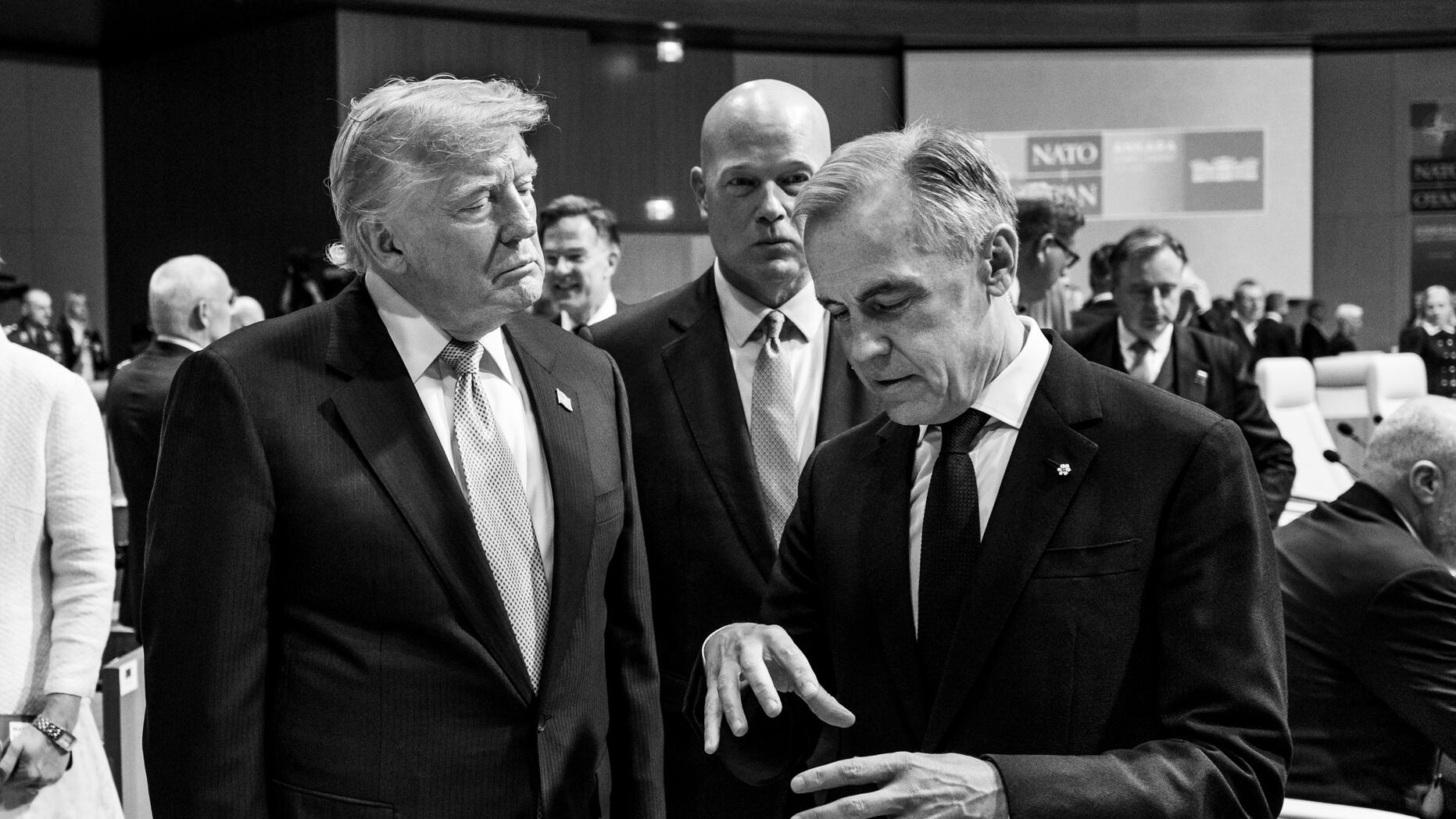
The trade dispute between the United States and Canada entered a new phase of escalation this week, with Ottawa announcing retaliatory tariffs after Washington imposed 50% levies on a range of Canadian goods, while President Donald Trump has threatened further action against Canada's auto industry.
Canada's new tariffs, which are due to take effect on 8 September, will cover nearly C$28 billion (US$20 billion) of U.S. products, including steel, aluminium, furniture, clothing, appliances, food and machinery.
The measures are designed to target goods similar to those hit by the latest U.S. tariffs.
The escalation follows the collapse of trade talks between the two countries last week. Canadian Prime Minister Mark Carney said Washington had "asked too much and offered too little", while U.S. officials accused Ottawa of making unreasonable demands in the final stages of negotiations.
Canadian Finance Minister François-Philippe Champagne said the new measures were necessary to protect the country's economy.
"Those tariffs will have real consequences for Canadian workers, businesses and communities across our nation," he said. "Canada must respond."
Champagne described the retaliation as "proportionate" and "strategic", while Ottawa has also pledged C$7.5 billion in additional support for businesses and workers affected by the U.S. tariffs.
A trade relationship under strain
The economic stakes are considerable. Canada is the United States' second-largest individual trading partner after Mexico, with bilateral trade reaching about US$715 billion last year.
Canada also bought more U.S. goods and services than any other country.
The latest U.S. tariffs directly affect only a relatively small portion of Canada's exports to the U.S. Reuters estimates that goods worth about $20 billion, or 5.5% of Canada's exports to its southern neighbour, are covered.
Oxford Economics estimates this would lift the effective US tariff rate on Canadian exports to 6.9% from 5.1%.
But the relatively limited initial impact masks the potential for a much broader economic confrontation.
Canada and the U.S. have built deeply integrated supply chains over decades, particularly in the automotive, energy, manufacturing and agricultural sectors.
Higher tariffs threaten to increase costs for businesses on both sides of the border and could ultimately feed through to consumers in the form of higher prices.
For Canada, the risks are particularly significant because of its dependence on the U.S. market. Economists have warned that a wider tariff war could push the Canadian economy towards recession, while U.S. companies and consumers would also face higher costs and the loss of Canadian exports.
The situation could become considerably more damaging if Washington extends the 50% tariff rate to a much larger share of Canadian exports.

Cars emerge as a key battleground
The automotive industry has become one of the central flashpoints in the dispute.
Trump has threatened to impose 50% tariffs on Canadian cars, trucks and automotive parts from 1 January if a deal is not reached. The move would put further pressure on an industry whose production networks span the U.S.-Canada border.
Carney has accused Trump of seeking to "destroy" Canadian industries, including automobile manufacturing as well as steel and aluminium.
The U.S. and Canada also have highly integrated agricultural supply chains, with tens of billions of dollars of farm products crossing the border each year.
The latest measures therefore risk creating a situation where tariffs imposed to protect domestic industries instead increase input costs for manufacturers and businesses that depend on cross-border trade.
Ottawa changes tack
The confrontation also represents a significant shift in Canada's approach to Washington.
Carney's government had initially pursued a more conciliatory strategy, seeking to preserve the long-term economic relationship with the U.S. while negotiating exemptions from Trump's tariffs.
That approach has now given way to a more assertive policy of retaliation.
Carney has pledged dollar-for-dollar countermeasures, while political pressure for a harder response has grown across Canada.
The willingness to retaliate marks a notable change in Canadian foreign policy, with policymakers increasingly arguing that failing to respond to U.S. pressure could encourage further demands from Washington.
The dispute has also fuelled a broader debate over Canada's dependence on the US and whether Ottawa should accelerate efforts to diversify trade and strengthen economic relationships elsewhere.
USMCA faces a new test
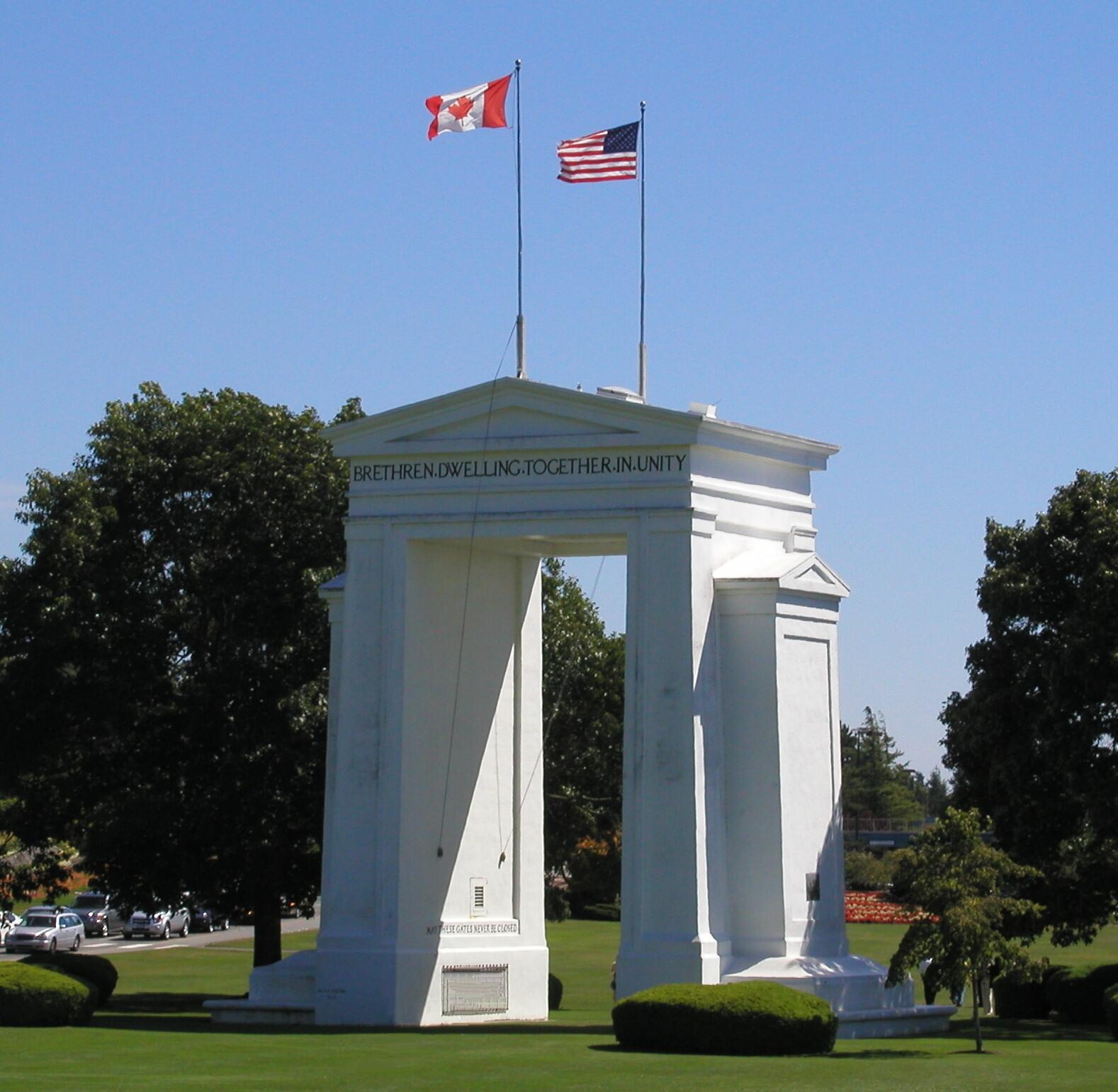
The tariff confrontation is also putting the future of the United States-Mexico-Canada Agreement (USMCA) under renewed pressure.
The agreement replaced the North American Free Trade Agreement and has governed much of the region's trade for six years. However, its future has become increasingly uncertain as Washington and its neighbours prepare for negotiations over the pact.
Reuters noted that a prolonged U.S.-Canada confrontation could ultimately weaken the agreement, increasing uncertainty around investment, transhipment and product sourcing across one of the world's most important integrated supply chains.
Trump has previously signalled that he is willing to take a harder line on the agreement.
"I don't care. I mean, I don't really want to. I'd rather be independent. Here's the thing: Mexico and Canada need us. We don't need them. The deal is important for them. It's not important for us," Trump told Fox News in July.
Mexico has meanwhile adopted a more cautious approach to its relationship with Washington, with President Claudia Sheinbaum seeking to limit friction while securing greater access to the US market.
The contrasting approaches taken by Canada and Mexico could become an important test of Trump's trade strategy.
Trump escalates rhetoric
The dispute has extended beyond tariffs, with political rhetoric between Washington and Ottawa becoming increasingly heated.
Trump has accused Canada of "ripping off" the U.S. and criticised its trade policies towards American farmers.
After Canada announced its counter-tariffs, the White House said Washington had been prepared to offer Canada "the most preferential market access of any country on Earth" during negotiations.
"Instead of partnership, Canada chose unreasonable demands, walk-backs, and flat-out rejection," the White House said.
Trump has also threatened additional tariffs on Canadian automobiles and continued to attack Canada's trade policies.
The confrontation reached an unusual level on Thursday when Trump signed an executive order renaming Lake Ontario "Lake America" for U.S. federal usage.
The order does not apply to Canada, international organisations or other bodies, and Canadian officials immediately rejected the change.
"We're going to be changing the name of Lake Ontario effective immediately to Lake America," Trump told reporters in the Oval Office.
Carney responded that the lake's name predates both Canada and the U.S.
"Canadians also know that naming reality means calling it Lake Ontario – then, now and always."
Who has more leverage?
The U.S. economy is vastly larger than Canada's, and the U.S. is less dependent on exports to its northern neighbour. That gives Washington greater capacity to absorb the initial economic impact of a trade war.
But Canada's leverage should not be underestimated.
The U.S. relies heavily on Canadian supplies of commodities including oil, electricity, lumber and aluminium. Tariffs on these goods can therefore raise costs for American consumers and companies at a time when inflation remains a concern.
For Canada, however, replacing the U.S. market is considerably more difficult. The sheer scale of bilateral trade and the geographic integration of the two economies means diversification would take years rather than months.
That imbalance explains why a prolonged trade war could hurt Canada more severely even as U.S. companies and consumers feel the effects.
The political timing could also matter. With U.S. midterm elections approaching in November, higher prices, lost exports and pressure on industries in politically important states could increase the domestic cost of Trump's trade policy.
A wider economic risk
The latest confrontation comes at an already difficult time for the global economy.
Long-term bond yields are elevated across developed markets, inflation remains above target in many economies, energy supply routes are under pressure, and the U.S.-Iran war continues to weigh on global trade and commodity markets.
A prolonged dispute between two of the world's most closely integrated economies would add another layer of uncertainty to global supply chains.
The immediate tariffs may represent only a small portion of total bilateral trade. But the greater risk lies in what happens next.
If Washington and Ottawa continue escalating, tariffs could spread to additional sectors, the USMCA could come under greater pressure, and businesses could be forced to reconsider investment and supply-chain decisions that have been built around decades of relatively frictionless North American trade.
For Canada, the confrontation is increasingly about more than tariffs. It is becoming a test of how far Ottawa is willing to go to defend its economic interests and sovereignty against its overwhelmingly larger neighbour.
For the U.S., the calculation is whether the economic and political costs of a prolonged trade war will ultimately outweigh the benefits of forcing concessions from Canada.