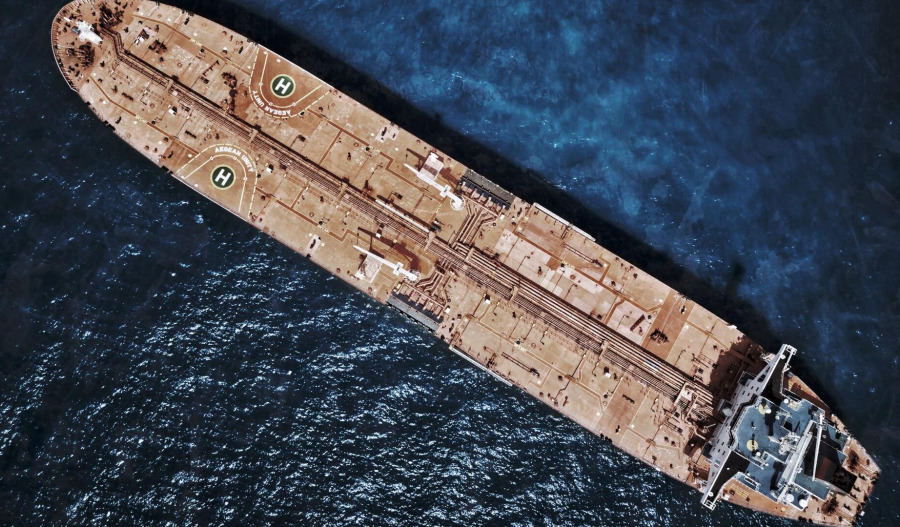
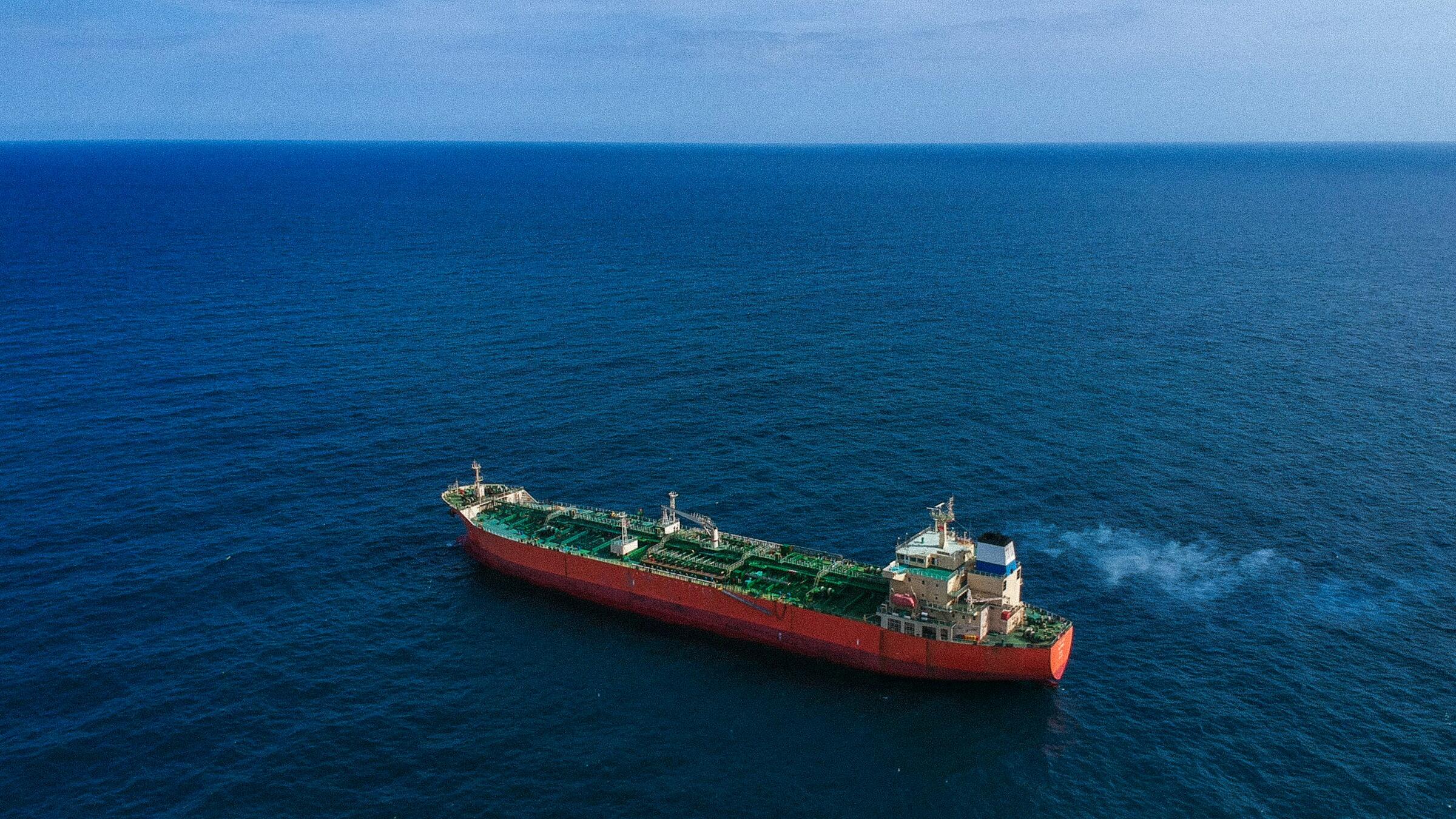
Oil prices held firm during Thursday's Asian trade after Brent crude breached US$100 a barrel, with traders bracing for deeper supply disruptions as Iran and the United States launched their largest attacks on shipping since their six-month-old conflict began.
By 2:30 pm AEST (4:30 am GMT), Brent crude futures had eased 15 cents or 0.2% to US$101.06 a barrel, while U.S. West Texas Intermediate crude was up 7 cents or 0.1% at US$96.12 a barrel.
ING commodities strategists noted in 'The Commodities Feed':
"Iran said it is ready to intensify the war, while President Trump said that the war is likely to continue until just after the midterm elections in early November.
"The risk is that escalation starts leading to meaningful disruptions to Strait of Hormuz flows. Oil flows have surprised to the upside in recent weeks, but the market could tighten more sharply if ongoing escalation translates into disrupted oil flows once again."

Brent prices have surged nearly 30% from lows touched in early August after a permanent agreement between the U.S. and Iran to cease attacks failed to materialise, while renewed fighting began later in the month.
Iran said on Wednesday it had attacked 10 ships near the Strait of Hormuz after the U.S. sank five Iranian oil tankers, while Iran's Islamic Revolutionary Guard Corps said it would escalate its response to any further attacks.
Meanwhile, the U.S. Energy Information Administration (EIA) on Wednesday raised its oil price forecasts for this year and next as global stockpiles fall due to the loss of Middle Eastern supply.
The EIA noted in its 'Short Term Energy Outlook':
"Prices remain elevated in response to falling global oil inventories, which we estimate have decreased by 400 million barrels so far this year.
"We expect inventories will continue falling through the end of 2026, which will keep prices near the August monthly average in the coming months. We now forecast the Brent crude oil spot price to average around $90/b in 2H26."