
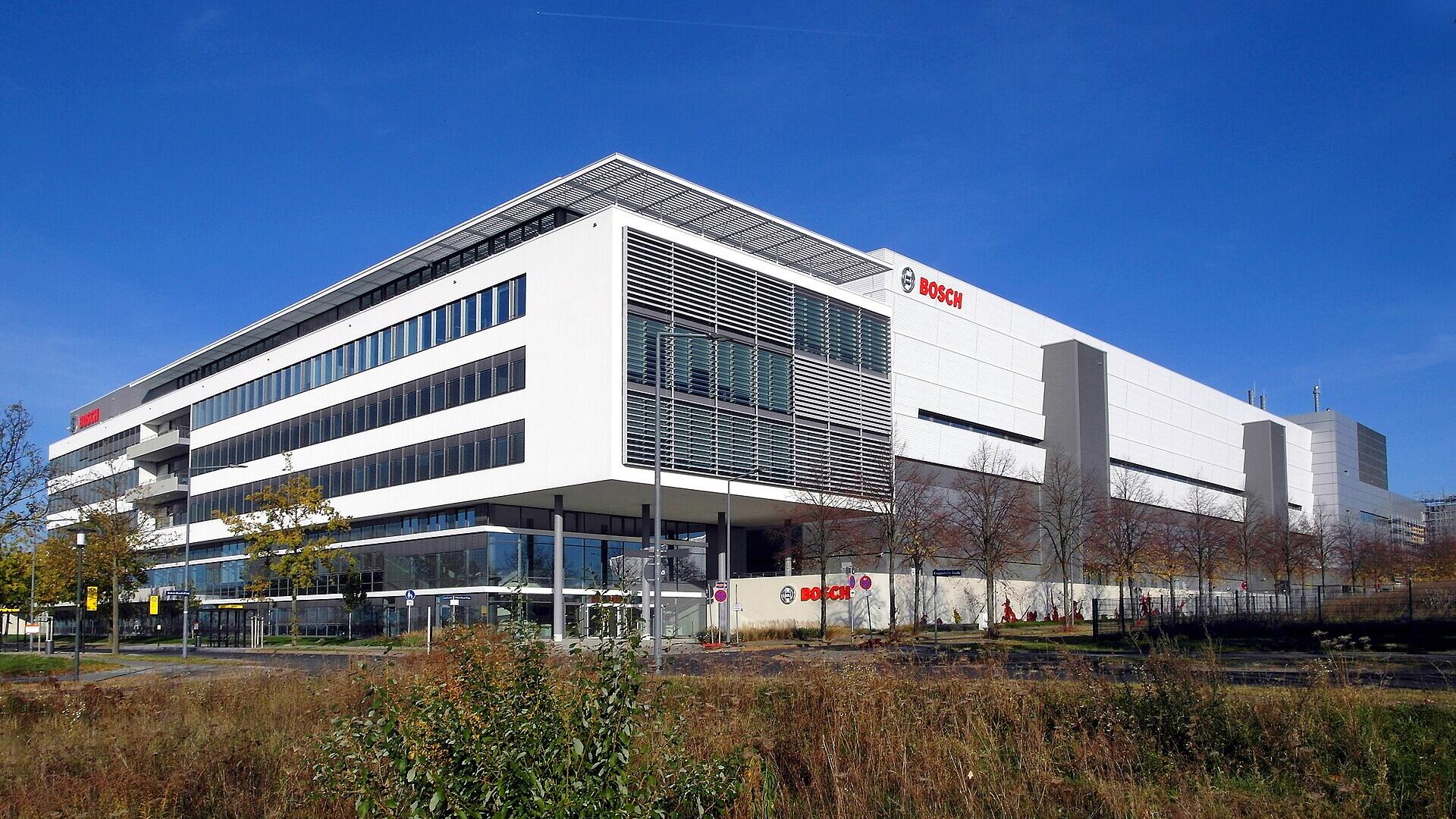
Robert Bosch Gmbh has agreed to pay more than US$36 million (A$51.3 million) to settle allegations it violated United States export controls by shipping products and software to Chinese telecommunications company Huawei without approval.
The settlement resolved allegations that the German company exported $72.4 million of Micro-Electro-Mechanical Systems (MEMS) sensor products and automotive software to Huawei and its affiliates between September 2020 and September 2024.
The deal was announced by the United States Commerce Department's Bureau of Industry and Security (BIS), which is responsible for administering and enforcing export controls, regulating sensitive technologies and protecting U.S. national security interests through trade rules.
“Bosch had several opportunities to avoid these violations had they exercised the increased vigilance BIS has repeatedly said it expects of companies whose transactions are governed by the EAR (Export Administration Regulations),” Assistant Secretary of Commerce for Export Enforcement David Peters said in a press release.

“Today’s action should serve as a warning to embrace compliance and as an example of the benefits of voluntary self-disclosure.”
The privately-owned multinational engineering and technology company also reached a related agreement with the U.S. Department of Justice involving the disgorgement of profits under which it will pay $3.6 million.
Huawei is on an American trade blacklist due to national security concerns, which requires licences for exporting certain foreign-produced items with technology originating in the U.S.
The BIS said Bosch exported the MEMS sensors, which are used in a range of applications including smartphones, wearable devices and automobiles, from locations outside the United States without securing licenses.
Bosch said in a statement that the violations were “unintentional” and that it had enhanced its trade compliance program to prevent future violations, according to this Reuters story.