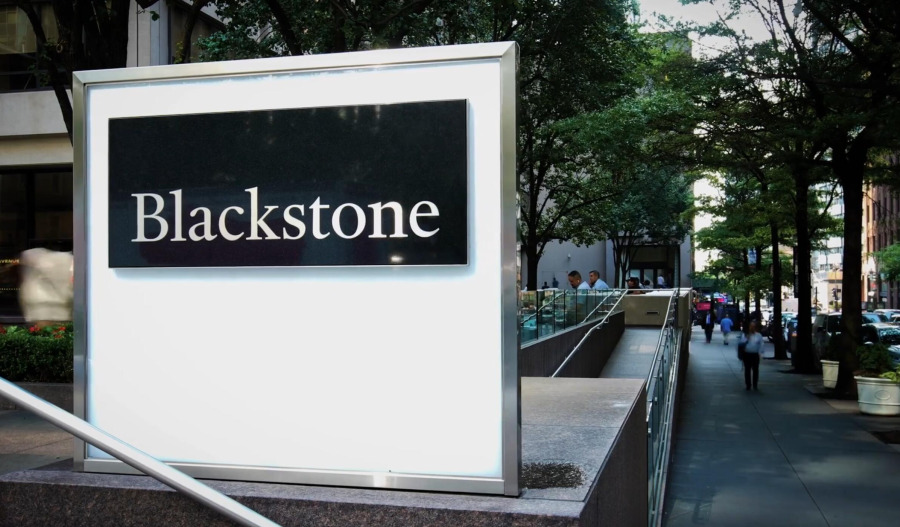

Blackstone’s flagship private credit fund has recorded its first monthly loss in more than three years, as rising investor withdrawals and mounting concerns over liquidity strain a fast-growing corner of global finance.
The US$82 billion Blackstone Private Credit Fund, known as BCRED, fell 0.4% in February, its first negative return since September 2022, according to fund disclosures published on its website.
The loss comes amid a broader deterioration in credit markets and intensifying scrutiny of private lending structures that expanded rapidly during the low-interest-rate era.
The setback underscores growing stress across the $1.8 trillion private credit sector, where weaker borrower quality, concentrated exposure to sectors such as software, and limited transparency are testing investor confidence.
Public market benchmarks have also softened: the Morningstar LSTA leveraged loan index declined 0.8% in February, reflecting wider pressure on leveraged borrowers.
BCRED, which offers limited quarterly redemptions, faced elevated withdrawals in the first quarter, with investors pulling about $3.7 billion - significantly above typical levels.
The surge in redemption requests mirrors a broader trend across private markets, where several large managers have imposed withdrawal limits to manage liquidity.
According to a Financial Times report, the fund marked down a select number of loans during the month, including exposure to Medallia, a customer experience software company.
Blackstone had previously reduced the valuation of that loan to 78 cents on the dollar at the end of 2024, down from 94 cents a year earlier.
Despite the monthly decline, Blackstone said BCRED has delivered a 9.5% annualised return since inception for its Class I shares, outperforming leveraged loans by 360 basis points over that period.

The firm added that the fund remains ahead of the broader loan market so far this year.
Pressure is also building from the banking sector.
JPMorgan recently marked down the value of certain loans tied to private credit funds, a move expected to constrain future lending to the industry.
Other major asset managers, including Morgan Stanley and BlackRock, have limited withdrawals from similar vehicles following spikes in redemption requests.
Market volatility and macroeconomic uncertainty are compounding the strain.
Rising oil prices linked to geopolitical tensions have increased borrowing costs for companies, while delaying expectations for interest rate cuts.
Corporate bond spreads have widened, with the gap between investment-grade corporate and government bonds reaching 0.88 percentage points in April, up from 0.71 percentage points in January, according to data cited by Bloomberg.
Senior industry figures have begun to flag risks.
Goldman Sachs chief executive David Solomon said in the firm’s annual report that concerns were emerging around underwriting standards and sector concentration in private credit, particularly in software.
Former Goldman Sachs CEO Lloyd Blankfein separately warned that current conditions bore similarities to early signs of past financial stress.
Blackstone’s shares have fallen more than 28% this year, reflecting investor unease over the outlook for alternative asset managers as liquidity conditions tighten and credit risks rise.