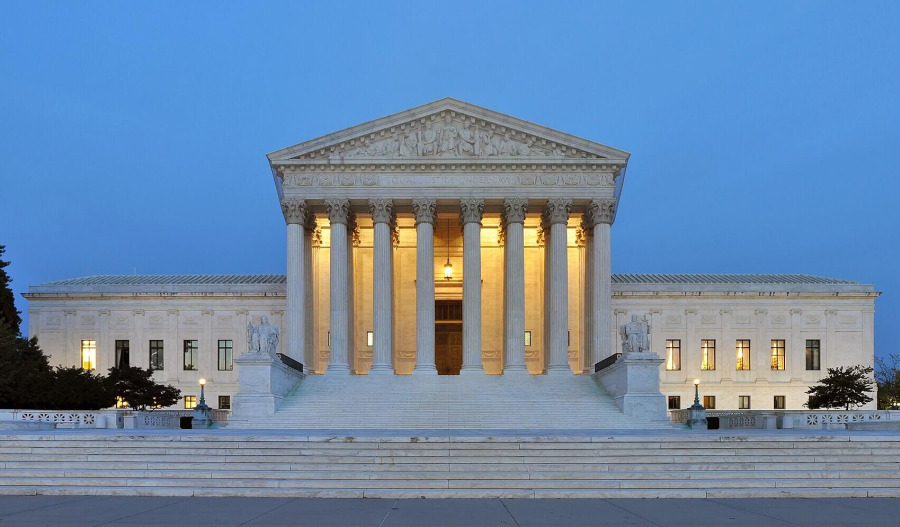
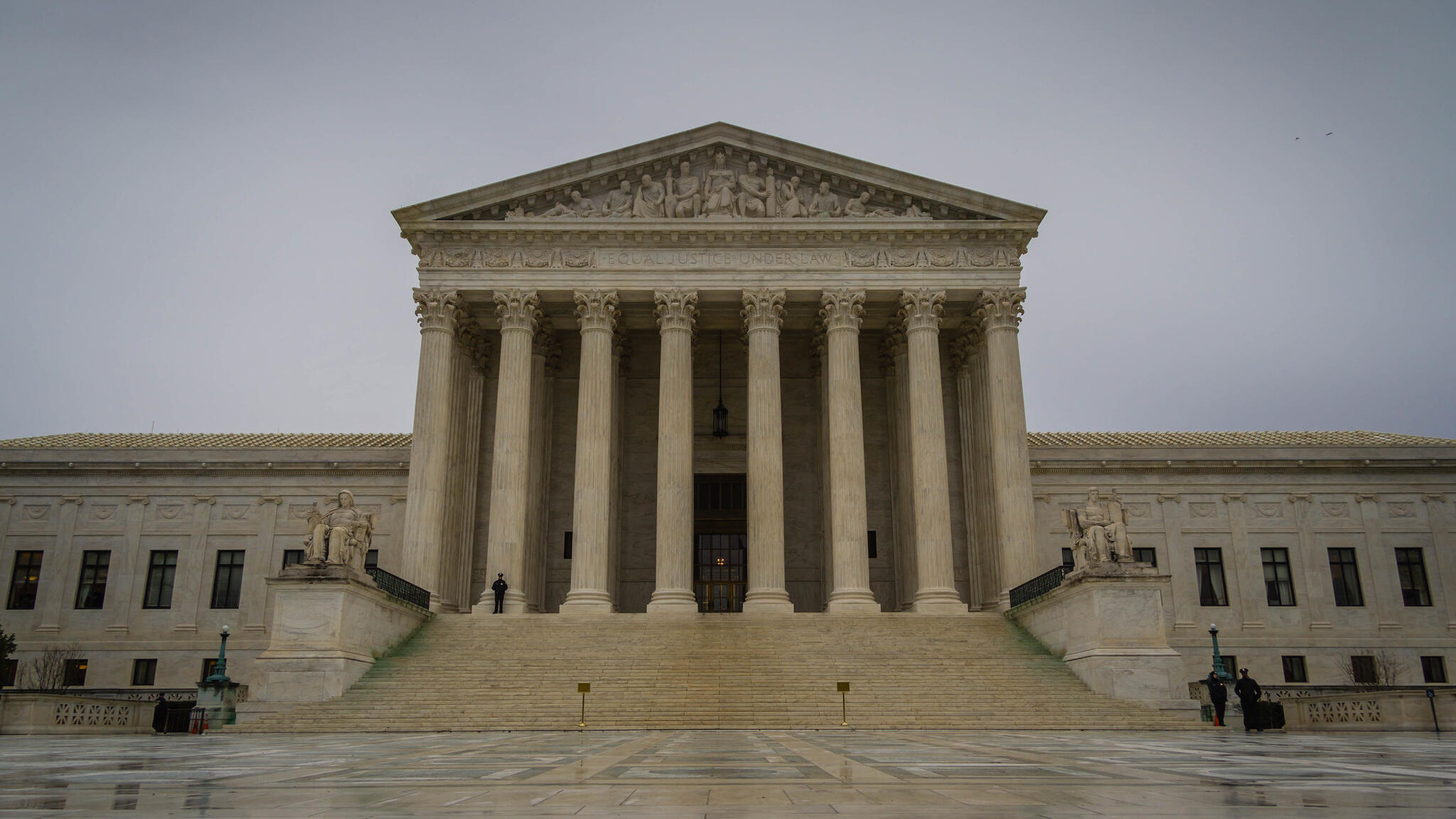
With a Supreme Court decision looming, the Trump administration is betting that the justices will not stand in the way of what it calls the president’s defining economic strategy: Sweeping tariffs imposed under emergency powers that were never designed for routine trade warfare.
Treasury Secretary Scott Bessent said on Sunday it was “very unlikely” the court would overturn Donald Trump’s use of the International Emergency Economic Powers Act (IEEPA) to levy tariffs on imports from much of the world.
Speaking on NBC's Meet the Press, Bessent argued that the court would avoid disrupting a sitting president’s economic agenda, framing judicial restraint as a matter of stability rather than legality.
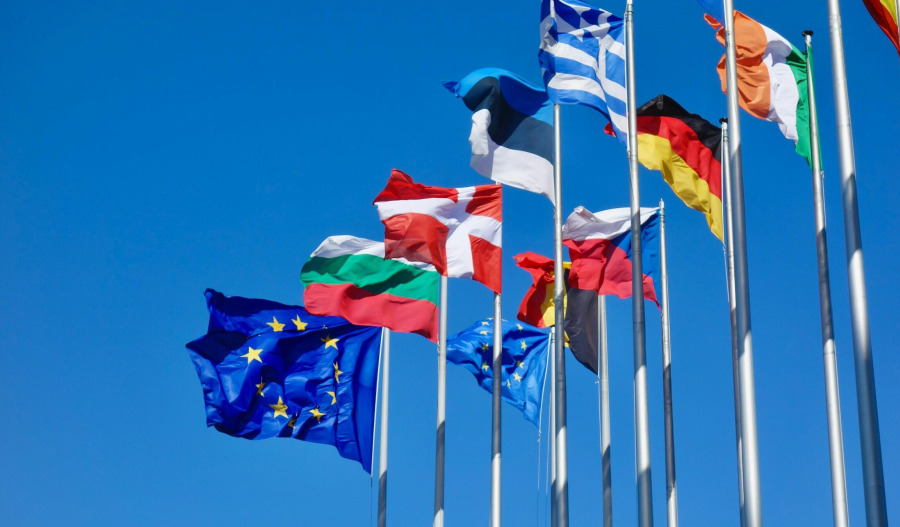
That confidence comes as Trump escalates his trade campaign by announcing new tariffs targeting several European countries unless they agree to negotiations tied to his long-standing fixation with acquiring Greenland.
The plan would start with 10% duties on imports from countries including Denmark, Germany, France and the UK on 1 February, rising to 25% by June.
Trump did not specify which law authorises the move; however, it mirrors earlier tariffs imposed under IEEPA during his so-called “Liberation Day” rollout.
IEEPA allows presidents to deploy economic tools in response to an “unusual and extraordinary threat.”
Tariffs are not mentioned in the statute; however, Trump has interpreted the law broadly, using it to impose import taxes on nearly every major trading partner.
Bessent defended the Greenland-linked tariffs as a form of pre-emptive crisis management, arguing the president was using America’s economic power to avoid military conflict — a definition of “emergency” elastic enough to snap back at any moment.
Meanwhile, leaders from affected European countries were unconvinced and, in a joint statement, warned that tariff threats risk damaging transatlantic relations and pledged a coordinated response, reaffirming their support for Danish sovereignty over Greenland.
Behind the scenes, U.S. officials have tried to soften the standoff: Vice President JD Vance and Secretary of State Marco Rubio met Danish and Greenlandic officials last week, agreeing to form a working group to discuss the island’s future.
Meantime, the gap between dialogue and duress remains wide.
The Supreme Court is expected to rule on Trump’s tariff authority before its term ends in late June, with legal experts suggesting a decision could arrive sooner given the pace of the case.
The stakes of the Supreme Court outcome are high, with more than 900 lawsuits already filed by businesses seeking refunds on tariffs paid, naming over 1,000 companies.
Plaintiffs range from household brands like Costco, Goodyear and Reebok to cosmetics, food and electronics firms.
Adding another layer of complexity, Wall Street firms are understood to have bought the rights to potential refunds from importers, turning the court’s decision into a high-stakes financial wager.
At the heart of the case is not just whether Trump can do this, but whether he should.
The U.S. Constitution deliberately gave tariff authority to Congress, recognising that taxes - and tariffs are taxes, despite branding gymnastics - require democratic accountability.
Trump’s approach bypasses that system entirely, concentrating power in the Oval Office and injecting uncertainty into global trade.
Tariff rates have shifted repeatedly, undermining investment and hiring decisions while raising prices for consumers at home.
Supporters argue the unpredictability strengthens America’s negotiating hand.
Critics counter that it weakens economic democracy, enabling selective exemptions, political favouritism and deal-making that benefits the well-connected while smaller businesses absorb the costs.
Trump, who presents tariff revenue as money extracted from foreigners, fails to admit that it is largely paid by U.S. consumers and companies — an omission that would be funny if it weren’t so expensive.
For now, the tariffs remain in place as the court deliberates.
Trump has cast the case as an existential test for the economy, urging supporters to pray for judicial approval.
Whether the justices endorse this expansive reading of emergency power or draws a line may shape U.S. trade policy long after the latest tariff threat fades into the feed.
As European leaders put it, “Tariff threats undermine transatlantic relations and risk a dangerous downward spiral.”