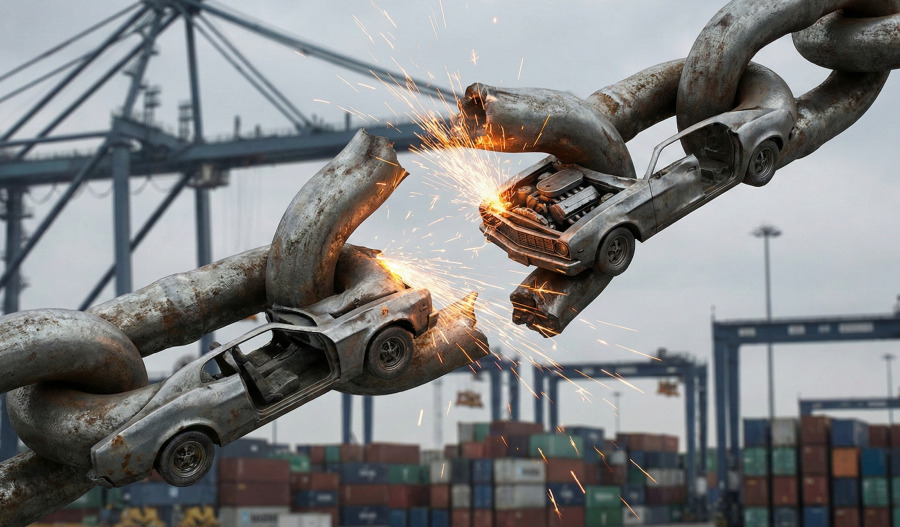
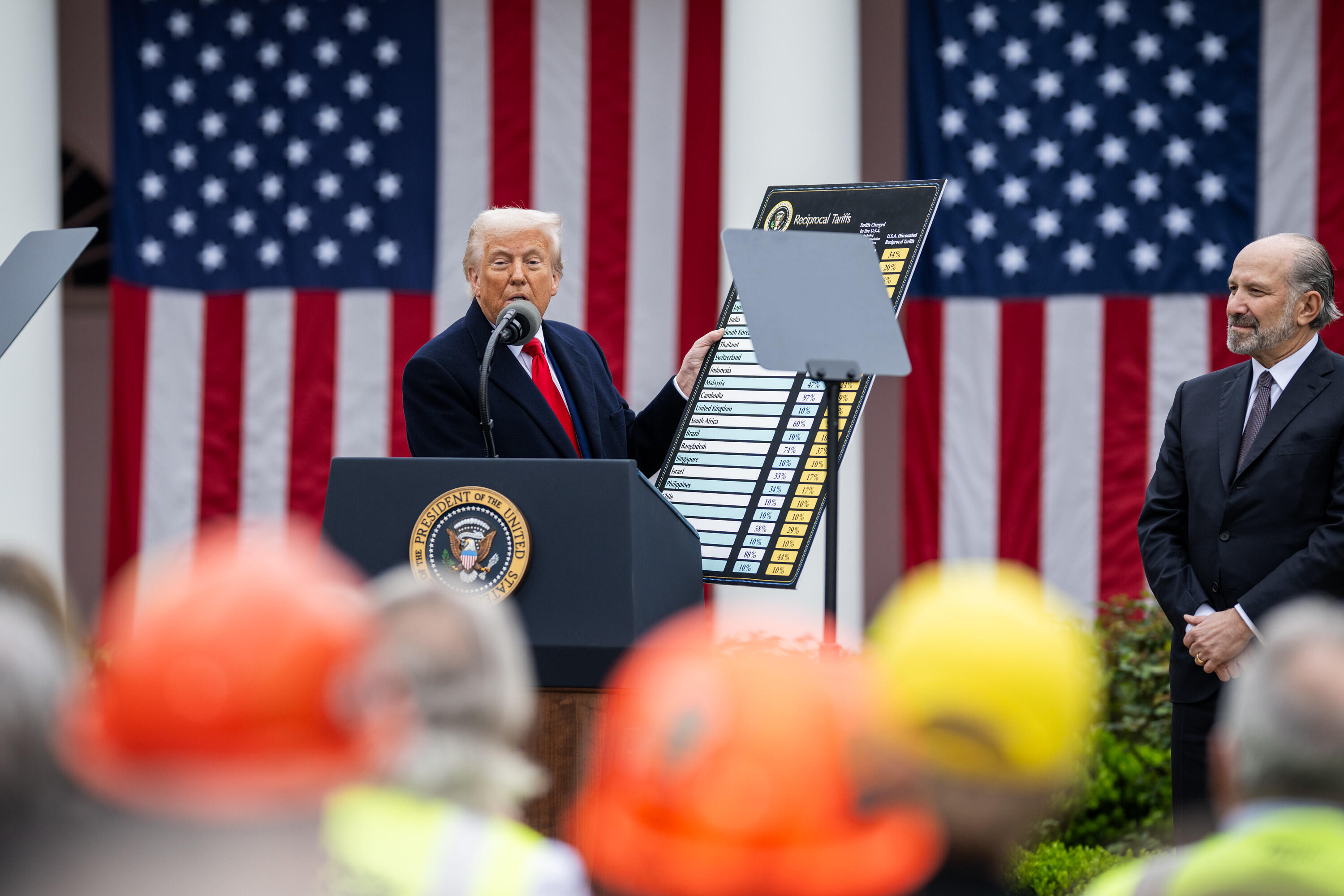
Global trade has been disrupted by the United States’ tariff policies since April. Import duties on all countries are now at least 10%, with tariffs on some nations, like India, set much higher.
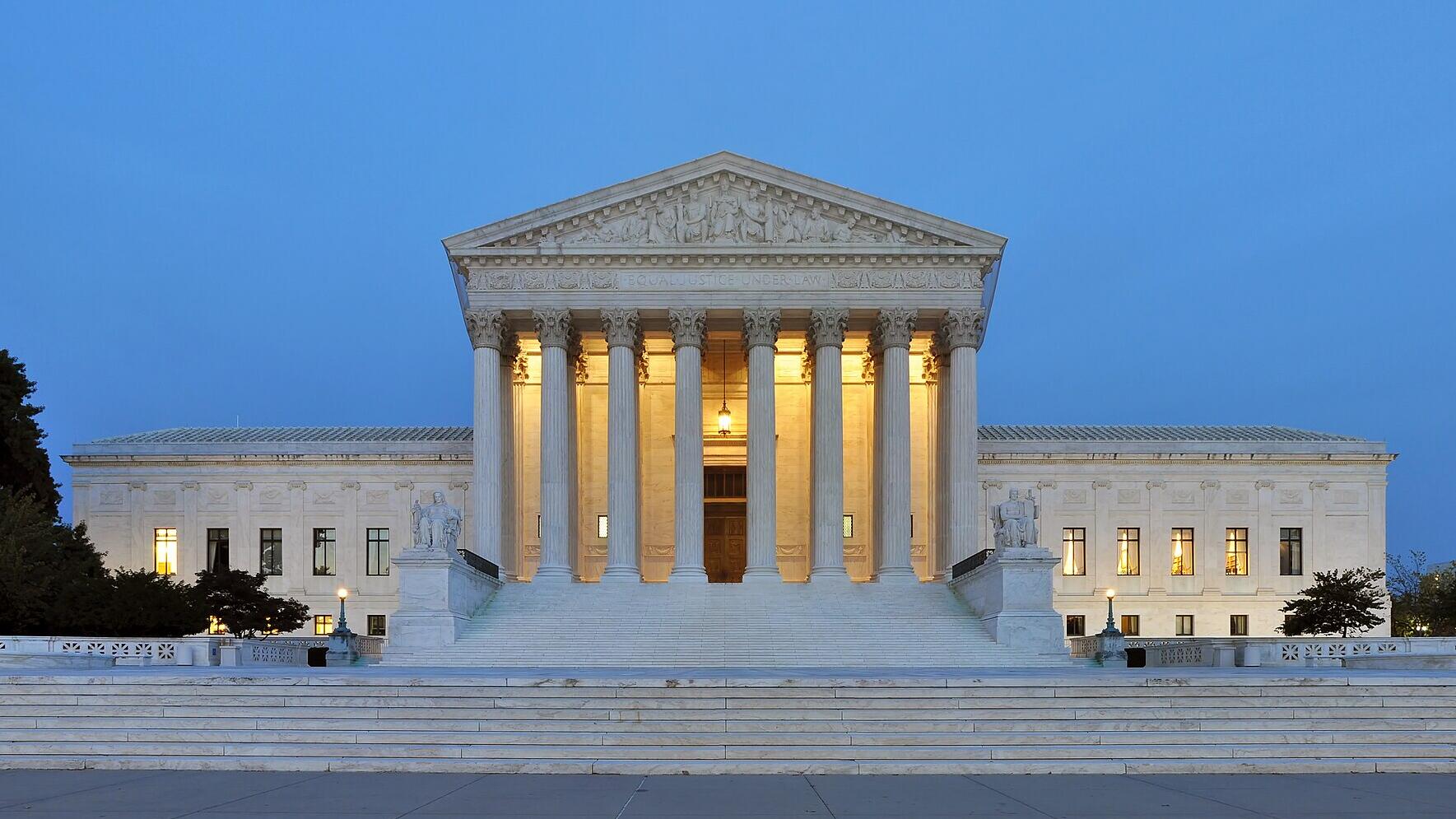
However, many of these tariffs were imposed under laws that may not grant presidents the power to do so. After two lower courts ruled these tariffs were unlawful, the Supreme Court agreed to hear the case on a fast-tracked timeline.
Supreme Court justices have seemed unconvinced that these tariffs were legally imposed — and if the court does strike down these policies, the U.S. could have to issue refunds to companies that have paid import duties.
U.S. customs duties reached a monthly record of US$31.35 billion in October, more than four times the $7.3 billion collected one year before.
Grounds for the suit
The case, brought by groups of small businesses, centres on whether the International Economic Emergency Powers Act (IEEPA) would give the president powers to impose tariffs indefinitely.
IEEPA allows presidents to block international transactions and freeze assets after an emergency has been declared, and requires a major threat to American interests. It had never been used to impose tariffs before 2025, and powers to levy taxes and duties belong to Congress under the U.S. Constitution.
Most of President Donald Trump’s administration’s tariffs were added while citing IEEPA, with the main exception being sector-specific duties on goods like steel that were imposed under other rules.
Trump declared a national emergency in an April executive order, citing trade deficits. The same day, the administration announced its ‘Liberation Day’ tariff policies, which would add tariffs of at least 10% on all countries.
“A lack of reciprocity in our bilateral trade relationships, disparate tariff rates and non-tariff barriers, and U.S. trading partners’ economic policies that suppress domestic wages and consumption, as indicated by large and persistent annual U.S. goods trade deficits, constitute an unusual and extraordinary threat to the national security and economy of the United States,” the order claims.
Both the U.S. Federal Circuit Court of Appeals and the country’s Court of International Trade ruled in 2025 that IEEPA does not grant the ability to impose tariffs.

The court hears arguments
After the lower courts ruled against these tariffs’ legality, the Trump administration called for the Supreme Court to take up the case quickly, with arguments being heard in November. The court’s justices have largely appeared unconvinced that IEEPA would allow the tariffs to be imposed.
The Trump administration, represented by U.S. Solicitor General D. John Sauer, has chiefly argued that IEEPA’s powers to “regulate importation” would by definition apply to tariffs, as they are a direct way to regulate imports.
Both conservative and liberal Supreme Court justices, including Trump appointee Neil Gorsuch, have appeared sceptical of this. “The Constitution says that Congress gets to regulate commerce and everybody understood that that meant and included the power to tariff,” said Gorsuch. “So that's sort of a problem, right?”
Lawyers for the plaintiffs have held that tariffs should be considered a tax, as well as that there are already statutes that explicitly allow presidents to impose tariffs for a limited time period.
“Tariffs are taxes. Taxes on Americans,” said Michael McConnell, a lawyer representing one group of plaintiffs. “Tariffs are not paid by foreign governments, as President Trump sometimes says. Taxes on American citizens is something that is closely guarded by Congress.”
So what happens next?
The court has not yet announced when it will rule on the case. However, if it rules that these tariffs are unlawful, the money collected could be refunded to companies that have paid.
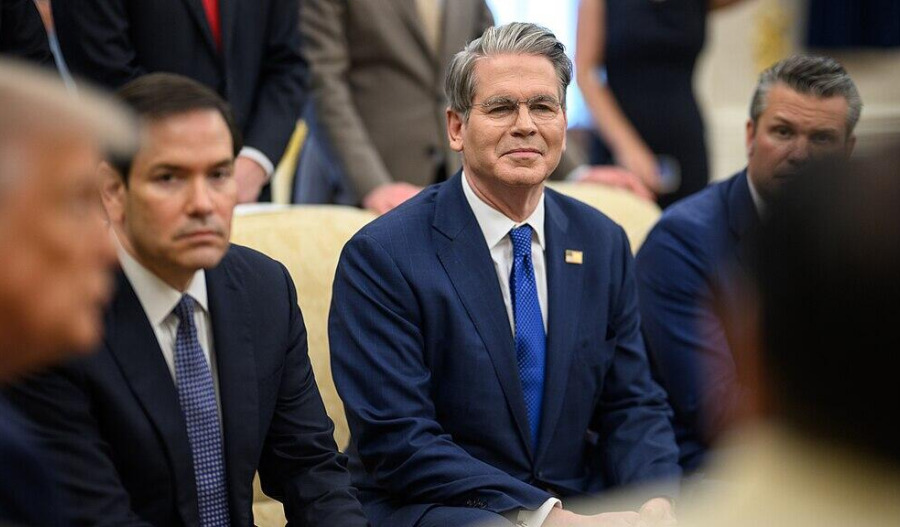
Treasury Secretary Scott Bessent said in a September Supreme Court filing that the refund could be from $750 billion to $1 trillion, if a ruling is made in mid-2026.
Under current rules, importers would have to request a refund from Customs and Border Protection, or could file a suit in the Court of International Trade. The U.S. government could also eventually establish a formal refund process.
Retailer Costco sued the U.S. government in the Court of International Trade on 2 December to request a full refund of import duties if the Supreme Court rules these tariffs are illegal. Costco has argued that it would risk losing the money it has paid if refunds are not legally guaranteed.
Importers “are not guaranteed a refund for those unlawfully collected tariffs in the absence of their own judgment and judicial relief,” wrote Costco in legal filings. “This action is necessary now because the entries for which Plaintiff paid tariffs imposed under authority of IEEPA will in general begin to become liquidated as early as December 15, 2025.”
The Trump administration has said that it would pursue imposing tariffs under other laws if its use of IEEPA is struck down, including statutes on threats to national security or discrimination against U.S. commerce. All of these options would limit tariff rates or the time these tariffs could be in effect, however.
“We can recreate the exact tariff structure with [sections] 301, with 232, with 122” of the 1962 Trade Act, Bessent said last month.