The Australian government has slashed the fuel excise in half for three months to ease pressure at the pump amid the Iran war.
Halving the fuel excise is set to reduce the cost of fuel by around 26.3 cents per litre. This will lead to a A$19 reduction for a 65L tank of fuel.
The halving of the fuel excise will commence from 1 April and run to 30 June.
“We are making fuel cheaper today because we understand that Australians are under serious pressure,” Albanese said.
Alongside this, the federal government will also reduce the Heavy Vehicle Road User Charge to zero for three months so truck drivers can continue their work across the nation.
The government will also defer the next scheduled increase in the Heavy Vehicle Road User Charge by six months.
According to Treasurer Jim Chalmers, the fuel excise cut and reducing the heavy vehicle road user charge will cost $2.55 billion.
Opposition leader Angus Taylor called for a halving of the excise last week, which he estimated to cost $1.5 billion alone.
The government have also created a four-stage fuel security plan, which includes the potential for state and territory governments to implement “practical measures to reduce fuel demand”, but does not explicitly forecast petrol rationing.
Albanese said the national cabinet had agreed to a national fuel security plan, with four levels: “plan and prepare”; “keeping Australia moving”, which is the current setting; “taking targeted action”; and “protecting critical services for all Australians”.

Economists have warned that halving the fuel excise would be poorly targeted and largely benefit wealthier people.
Cheaper petrol could even increase demand, and put pressure on inflation.
Australians have also been encouraged to use public transport where possible to help conserve fuel in the regions.
“We really want to encourage Australians who can to take public transport, to help save fuel for the areas and industries that need it, and I note a couple of the jurisdictions have taken action to reduce public transport fares as well,” Albanese said.
“The less fuel we use in the cities, obviously, the more we can direct to regional areas that are under pressure.”
This comes as Victoria and Tasmania introduce free public transport. New South Wales and Western Australia have declined to follow suit.
This comes as Business groups called for help for companies to retain employees and cashflow support, as flow-on effects from rising fuel prices began to hit various sectors; the National Farmers Federation requested tax breaks and government help in underwriting fertiliser purchases, while concern was also raised for care workers, tradespeople, and transport drivers hit hard by ballooning costs.
The price of oil continues to climb as the Strait of Hormuz remains shut due to the continuation of the war.
Around 20% of the world’s oil travels through the strait, and its closure has sent oil prices soaring to over US$100 per barrel since the war started on 28 February.
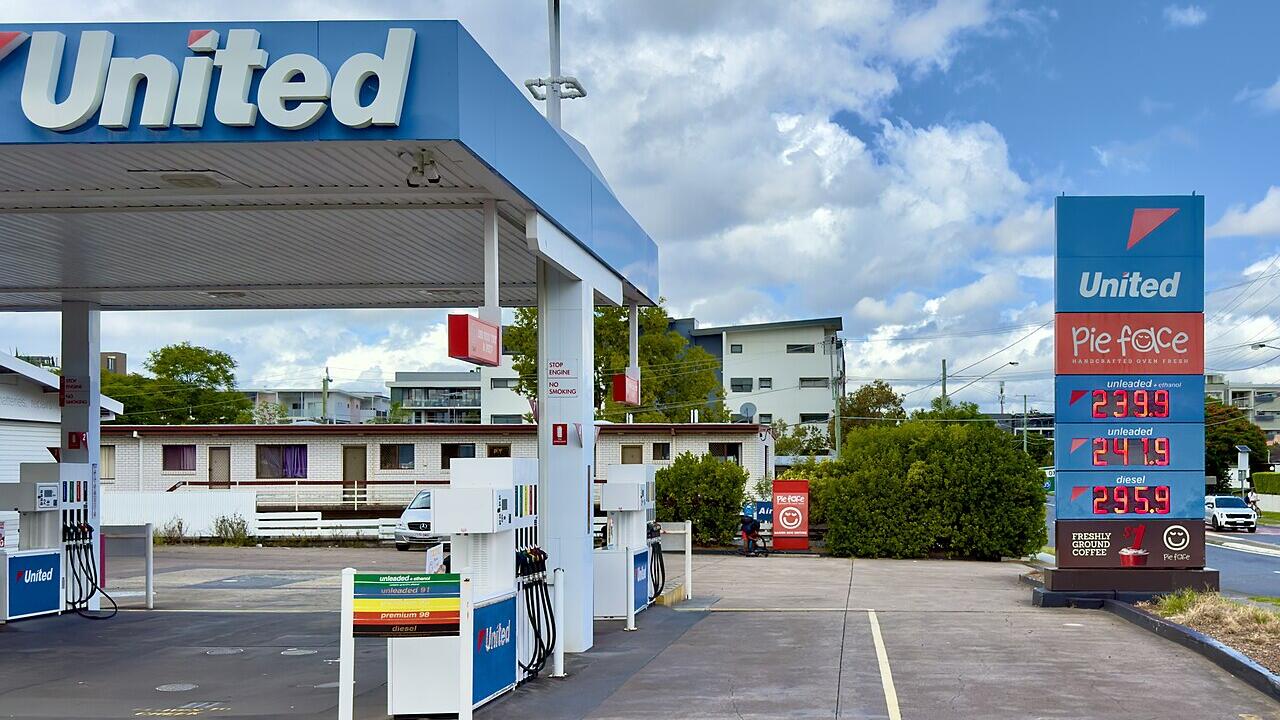
At the time of writing, the average price of petrol has surpassed 240.0 cents per litre in every capital city.