
Australian consumer sentiment fell 9% in December after a stronger-than-expected November reading, with consumers’ expectations for the economy plunging.
Sentiment dropped to 94.5 this month, according to the Westpac-Melbourne Institute Consumer Sentiment Index. November’s score was 103.8, a seven-year high.
“The Index has jumped around in recent months, but it has finished the year broadly in ‘cautiously pessimistic’ territory,” wrote Westpac Group economist Ryan Wells.
“While this marks a clear improvement from the prolonged, deep pessimism that defined much of 2024, a sustained move into outright optimism remains elusive for the Australian consumer.”
Respondents’ economic expectations for the next 12 months dropped by 9.7%, the report found, reversing November’s gains. The outlook for the next five years fell by 11.7%.

Expectations for family finances across the next year also declined by 6.1%, though it remains in positive territory at 102.4. The index measuring consumers’ willingness to buy a major item decreased by 11.4%.
Consumers’ outlook for mortgage rates over the next year surged 22.2%, part of a 65.4% increase in the last three months. This was driven by a larger proportion of consumers projecting interest rate rises in 2026.
Inflation was the dominant economic news item among consumers, the report found, with 78% seeing it as unfavourable. News on economic conditions and employment were viewed more negatively in December than in the previous news recall survey in September.
ANZ-Roy Morgan’s weekly Consumer Confidence report also found that sentiment is down two points to 81.5. Net sentiment on the economy over the next year fell by one percentage point, while views on personal finances in the next year were unchanged.
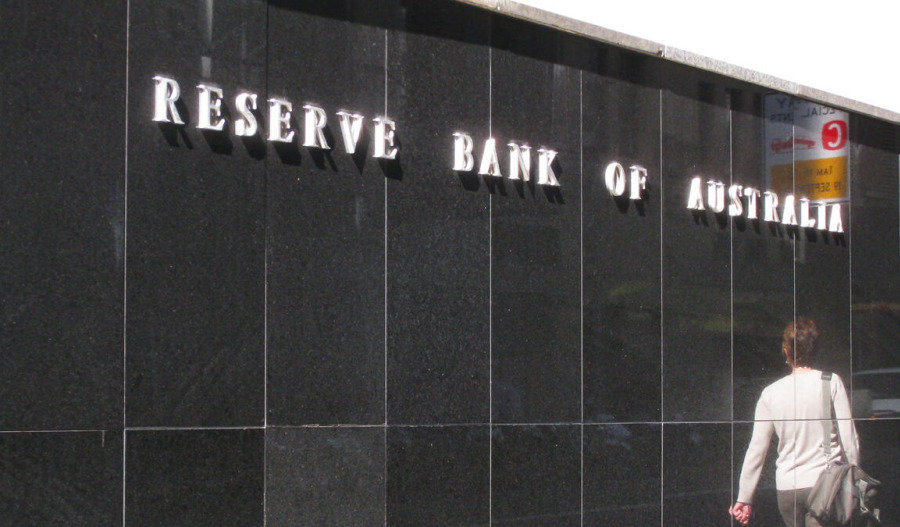
The Reserve Bank of Australia's Monetary Policy Board will next meet on 2-3 February. The RBA left rates unchanged last week, saying it does not expect further cuts for the foreseeable future and is willing to consider a rate hike if inflation persists.