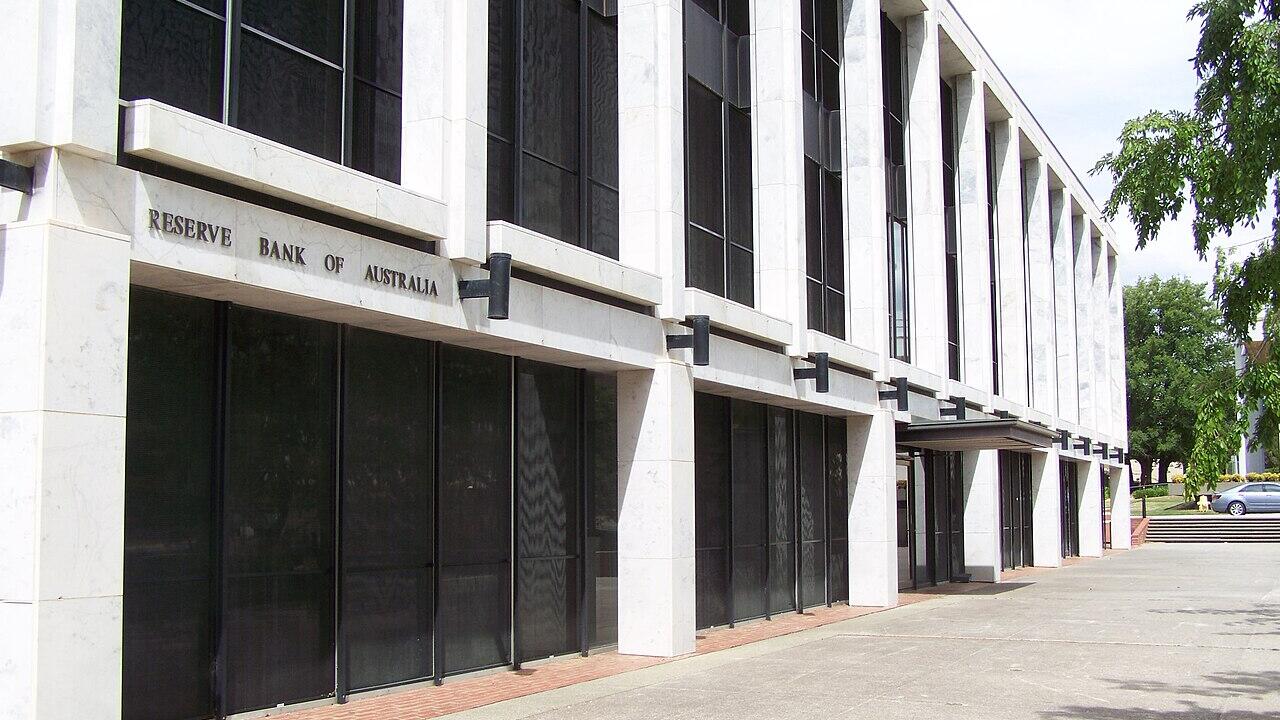
The Reserve Bank of Australia (RBA) raised the official cash interest rate by 25 basis points to 3.85% on Tuesday to try to contain an increase in inflation.
The announcement, which was widely expected, came at the end of the traditional two-day bi-monthly meeting of the RBA’s Monetary Policy Board.
“While inflation has fallen substantially since its peak in 2022, it picked up materially in the second half of 2025,” the Board said in a media release after the meeting.
“The Board has been closely monitoring the economy and judges that some of the increase in inflation reflects greater capacity pressures. As a result, the Board considers that inflation is likely to remain above target for some time.”
The Board said a wide range of data over recent months had confirmed that inflationary pressures picked up materially in the second half of 2025.
“While part of the pick-up in inflation is assessed to reflect temporary factors, it is evident that private demand is growing more quickly than expected, capacity pressures are greater than previously assessed and labour market conditions are a little tight,” it said.
“The Board judged that inflation is likely to remain above target for some time and it was appropriate to increase the cash rate target.”
The chances of an increase to 3.85% had been rated at 72% by the Australian Securities Exchange’s RBA rate tracker on Monday.
It also followed an increase in the inflation rate to 3.8% in the 12 months to the end of December from 3.4% a month earlier at the headline level and to 3.3% from 3.2% over the same period at the trimmed-mean, or underlying, level.

The announcement on 28 January resulted in the market lifting expectations of a rate hike from the RBA.
The Australian central bank last changed rates when it lowered the cash rate by 25 basis points in August.
This was the first increase in the cash rate since 23 November 2023, when it increased by 25 basis points to 4.35%, a level held throughout 2024 and into 2025 when it was lowered three times due to reductions in inflation from previously high levels.
The decision was unanimous.
The Board said various indicators suggested labour market conditions remain a little tight and had stabilised in recent months, in line with the pick-up in momentum in economic activity.
“The unemployment rate has been a little lower than expected and measures of labour underutilisation remain at low rates,” it said.
Growth in the Wage Price Index had eased from its peak, but broader measures of wages growth continued to be strong and growth in unit labour costs remained high.
“There are uncertainties about the outlook for domestic economic activity and inflation and the extent to which monetary policy is restrictive,” the Board said.
“On the domestic side, if growth in demand is stronger than expected, and growth in the economy’s supply capacity remains limited, it is likely to add further to capacity pressures.”