While private equity (PE) has faced countless headwinds in the past year, none the least being higher interest rates – increasing the cost of borrowing – one ASX-listed PE stock, Pengana Private Equity Trust (ASX: PE1), is proving that it’s possible to close the valuation gap plaguing so many of its peers in this sector.
Admittedly, like the sector at large, PE1 shareholders who entered the stock when it IPO’d (raising A$205 million) on 30 April, 2019, at an issue price of $1.25 per unit have had precious little to crow about over the last seven years.
To address growing shareholder unrest, management implemented an on-market buyback program in July 2025 to help staunch the 30% discount between the stock’s net asset value (NAV) and its share price.
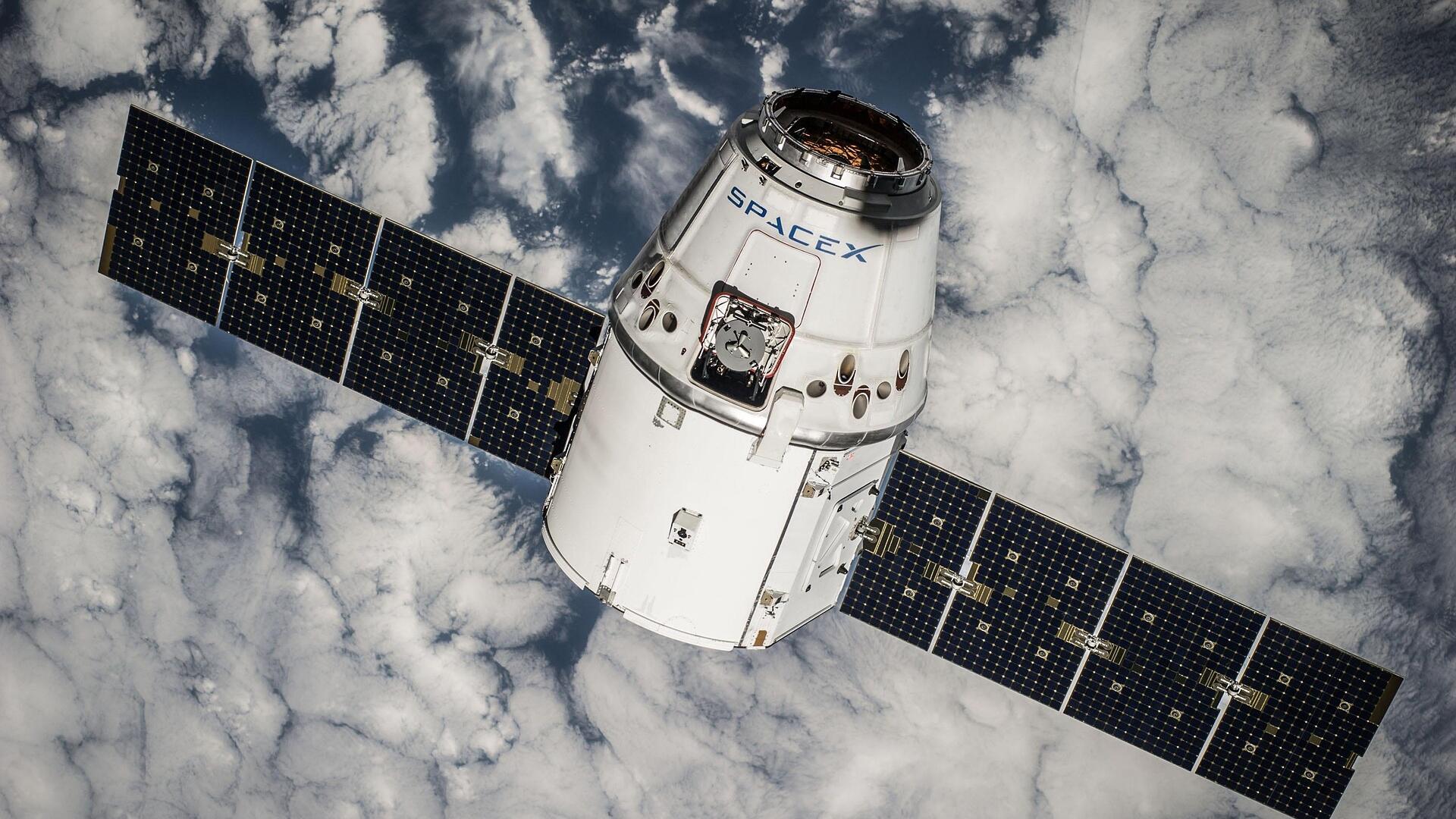
While this helped to narrow the price-to-NAV discount by around 10 percentage points, the single biggest driver of the more recent value-gap narrowing is its stake in Elon Musk’s privately held SpaceX.
The stock’s CEO, Russel Pillemer, recently told the market that an investment in SpaceX allows PE1 to achieve significant long-term gains via a pre-IPO opportunity before markets fully price in its potential.
SpaceX does not trade on exchanges like the NYSE or Nasdaq; however, the company conducts secondary share sales in the private market, which have provided insights into its valuation.
While a private market transaction in late 2025 valued SpaceX at approximately US$800 billion, the company is reportedly considering an IPO valuation of around $1.5 trillion - making it one of the largest public listings in history.
Meanwhile, Starlink, the satellite internet service - the company's largest and most profitable revenue stream – is on track to generate a significant portion of SpaceX's estimated $15 billion in revenue for 2025.
In light of these numbers, it’s important to put PE1’s investment in SpaceX in context.
When PE1 first invested in Elon Musk’s SpaceX in 2020 - starting with a 2% stake - the company was valued at $50 billion.
Fast forward to 2026, and PE1 now holds 7.7% of its diversified portfolio in the rocket-maker.
Unsurprisingly, given that an IPO in Starlink is likely later on this year – resulting in a potentially significant upside – PE1 has no plans to exit this investment any time soon.
“It appears that an IPO is possible later on this year, and usually between the pre-IPO and the IPO valuations is a significant uplift. We wouldn’t want to sell it down, at least not before an IPO happens,” said Pillemer.
While institutional investors dominate the share register, the stock also has its fair share of savvy retail investors willing to take strong bets over the longer haul.
However, talk of future outsized returns – courtesy of a SpaceX IPO – is clearly attracting more mum and dad investors to the stock.
Commsec data suggests buyers are outnumbering sellers in the stock market 2 to 1.
What’s likely to be attracting buyers to PE1 is the prospect of gaining strong exposure to one of the most high-profile tech companies in the private market without buying directly into the IPO.
“There is no other way for an Australian investor on the ASX to get any exposure to SpaceX,” Pillemer reminds investors.
The PE1 boss argues that firms like SpaceX are benefitting by remaining private longer, allowing them to invest heavily and innovate without being judged on short-term results.
“At some point in time, it will end up in the public markets. It seems from the signals from the company, from the market, that there is work being undertaken,” Pillemer said.
While PE1 - managed by U.S.-based private equity powerhouse GCM Grosvenor - has diversified investments across 500 private companies, it’s this single stake in SpaceX that has the capacity to turbocharge the future of its portfolio.
Beyond Starlink, SpaceX is investing in significant global initiatives, none the least being a pivotal position in any future arms race in space.
Would-be investors in PE1 should also note that management has no plans to remain a long-term holder once SpaceX goes to market.
Meanwhile, PE1 is also sitting on a small initial position in OpenAI – just 0.6% of its portfolio – added last year, which has since grown significantly.
“Most of our portfolio are just companies that are just growing at a nice rate, very solid, secure companies generating lots of cash flows, standard private equity. But we do have a certain number of what we call ‘growth equity’ companies in the portfolio as well,” he said.
“We’ll continue to manage this portfolio in a very diversified way, making sure that we don’t over-allocate to growth equity. I think if the bulk of the portfolio is in solid cash-flow-generating good-growth companies, and you have a small number of opportunities that can really shoot the lights out, that’s a great portfolio to have.”
PE1 is currently trading at 5% discount to its NAV of $1.6745 and has returned 8.7% per annum since inception.
Pengana Private Equity Trust has a market cap of $424 million; the share price is up 15% in one year and up 14% in the last month.
The stock appears to be in a strong bullish trend, confirmed by multiple indicators.
Consensus does not cover this stock.

This article does not constitute financial or product advice. You should consider independent advice before making financial decisions.