Asia-Pacific markets traded mixed on Friday as investors assessed the durability of a fragile ceasefire between the United States and Iran, with ongoing disruptions to global energy supply continuing to weigh on sentiment.
The conflict in the Middle East, now stretching beyond a month, has led to the closure of the critical Strait of Hormuz, with shipping traffic still largely restricted despite the truce.
Tehran has indicated it would reopen the waterway provided attacks cease.
The agreement followed a decision by Donald Trump to pause military action against Iran earlier in the week.
Tensions remain elevated, however. Trump warned on Truth Social that Iran “better stop now” if it was charging transit fees for oil tankers, while Iran’s parliamentary speaker Mohammad Bagher Ghalibaf accused the United States of breaching the ceasefire agreement after Israel bombed more than 100 targets across Lebanon on Wednesday (Thursday AEST).
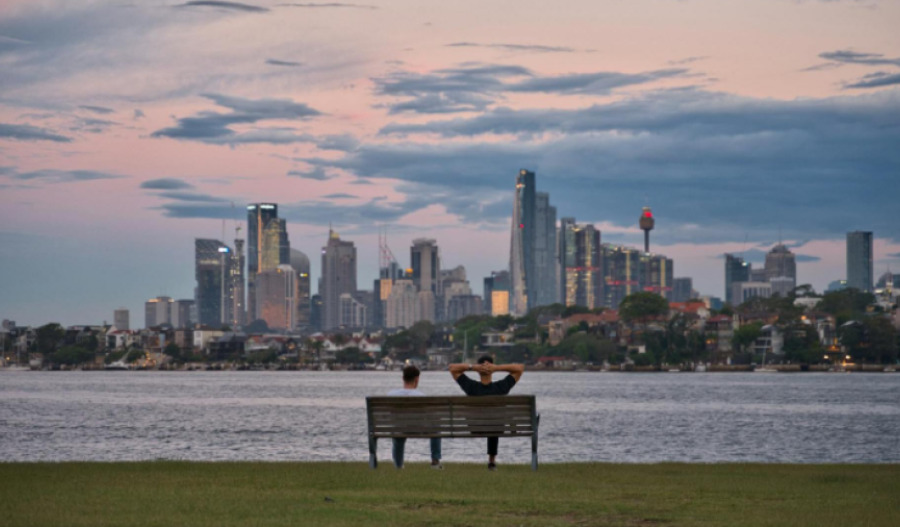
By 11:15 am AEST (1:15 am GMT), Australia's S&P/ASX 200 slipped 0.4%, while Japan’s Nikkei 225 rose 1.6% and South Korea’s KOSPI 200 gained 2.1%.
In monetary policy, the Bank of Korea kept its benchmark interest rate unchanged at 2.5% in Seoul, marking a seventh consecutive hold as policymakers balance risks from inflation, currency weakness and slowing growth amid geopolitical uncertainty.

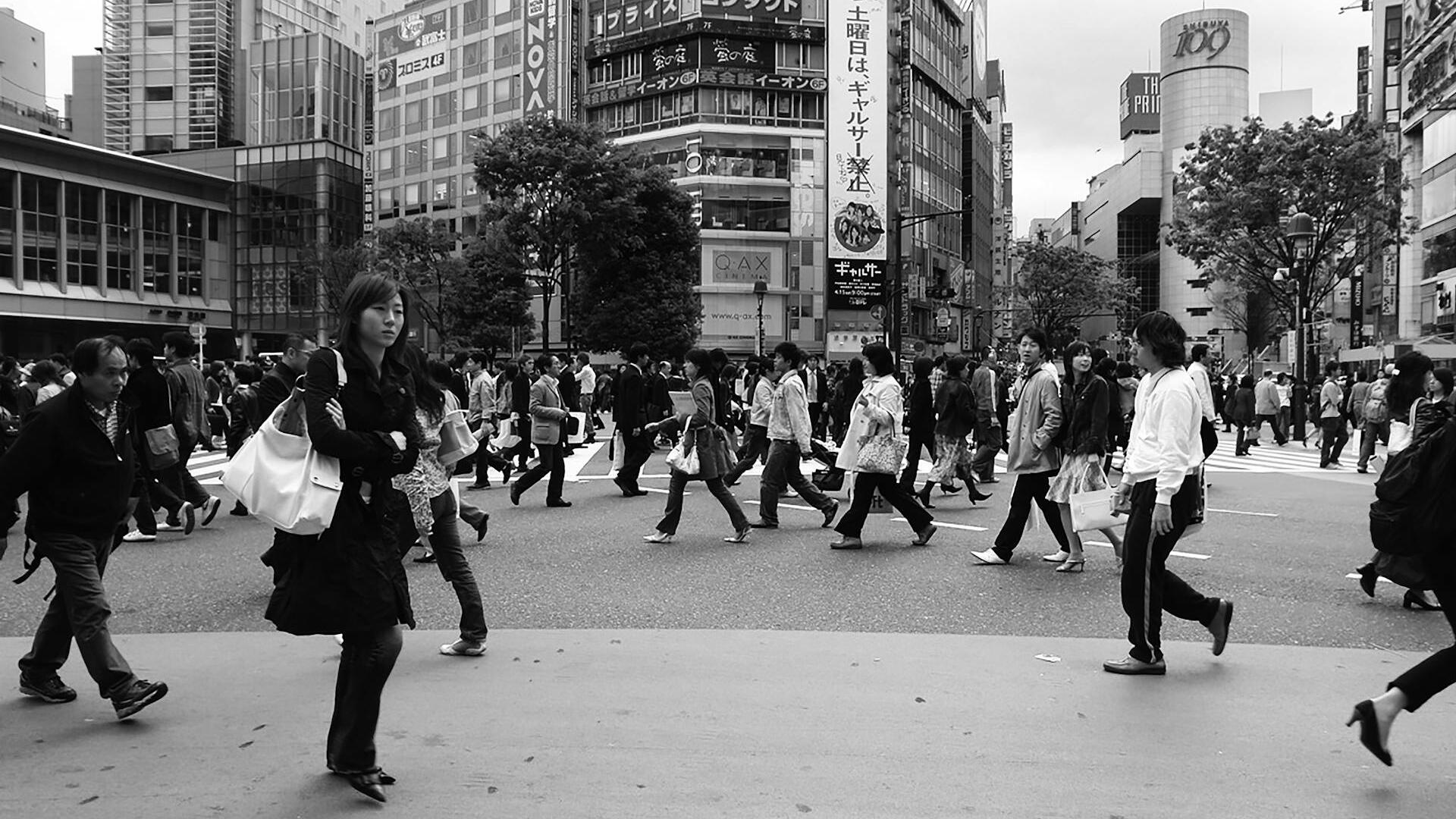
In Japan, producer prices came in stronger than expected, with the March producer price index (PPI) rising 2.6% year-on-year, above market forecasts of 2.4%.
In a separate release, China’s factory-gate prices rose for the first time in over three years in March, while consumer inflation eased. The consumer price index (CPI) increased 1% year-on-year - below forecasts of 1.2% and down from 1.3% in February - while producer prices climbed 0.5%, marking their first annual rise since September 2022 and ending the longest deflationary streak in decades.
Overnight on Wall Street, major benchmarks extended gains, with the Dow Jones Industrial Average and S&P 500 both advancing 0.6%, while the Nasdaq Composite climbed 0.8%, supported by optimism surrounding the ceasefire.
Commodity markets also reflected ongoing uncertainty. Brent crude rose 1.2% to $95.92 per barrel, while spot gold gained 1% to $4,765.85 per ounce.
Elsewhere in the region, China’s SSE Composite Index fell 0.7%, while the CSI 300 declined 0.6%.
Hong Kong’s Hang Seng Index dropped 0.5%, and India’s BSE Sensex lost 1.2%.
European markets also closed lower overnight, with the FTSE 100 edging down 0.1%, Germany’s DAX falling 1.1%, and France’s CAC 40 declining 0.2%.