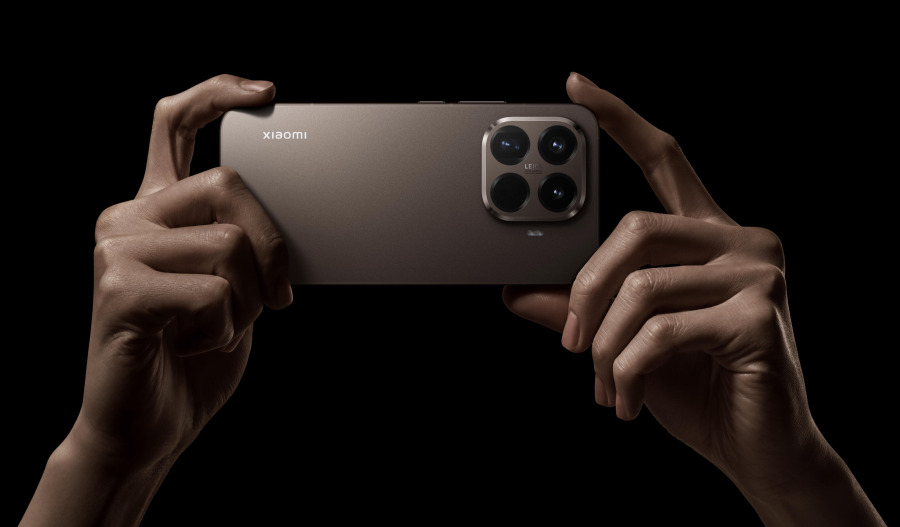
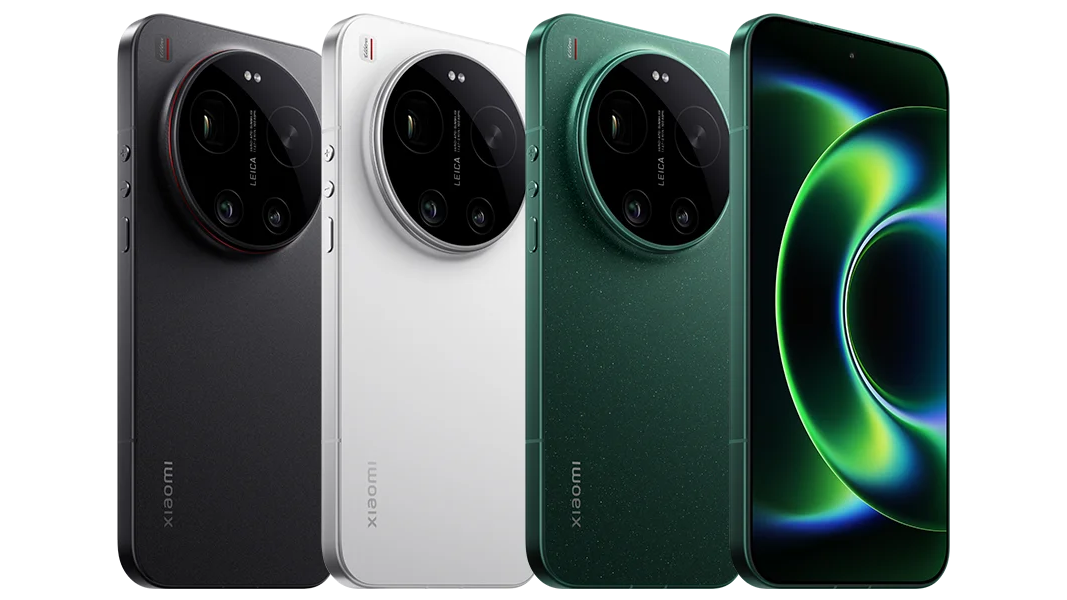
Xiaomi launched its flagship smartphones globally on Saturday amid an unprecedented surge in memory chip prices, which could dampen sales.
The Xiaomi 17 and 17 Ultra have broken out onto the market and are attempting to challenge the likes of Samsung and Apple.
Xiaomi is the third-largest smartphone player globally and has maintained the prices of the devices versus last year’s flagship, even amid the huge jump in memory prices that are critical for smartphones.
The Xiaomi 17 starts at 999 euros, and the 17 Ultra starts at 1,499 euros.
According to Counterpoint Research, memory prices have soared between 80% and 90% in the first quarter of the year so far.
This surge has been driven by a shortage of memory chips as supply is being directed towards data centres for AI.
Memory is an expensive component of a smartphone, and a Gartner forecast from February estimates that smartphone prices could grow 13% in 2026.

IDC forecasts the smartphone market to decline 12.9% in 2026 as a result of the chip crunch.
Analysts believe that companies selling more expensive phones will be more insulated and able to absorb the cost.
The majority of Xiaomi’s volume comes from mid-range devices, a category that could take a hit to demand from any price rises, while its higher-end devices will be unlikely to offset any losses.
Xiaomi management warned that the industry would likely have to raise smartphone prices in November.
CSS Insight chief analyst Ben Wood said that Xiaomi will likely have to hike prices for its low-to-mid-tier devices.
The company reported a 3% year-over-year decline in smartphone sales for the September quarter last year, while sales in its electric car business surged nearly 200%.
At the time of writing, Xiaomi (HKG: 1810) stock fell 0.80% to HK$34.90 (A$6.31). Its market cap is HK$912.47.