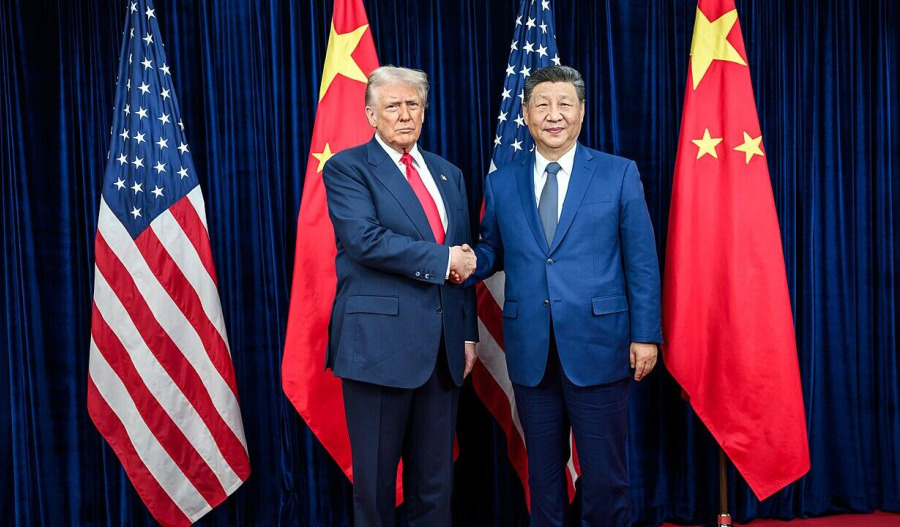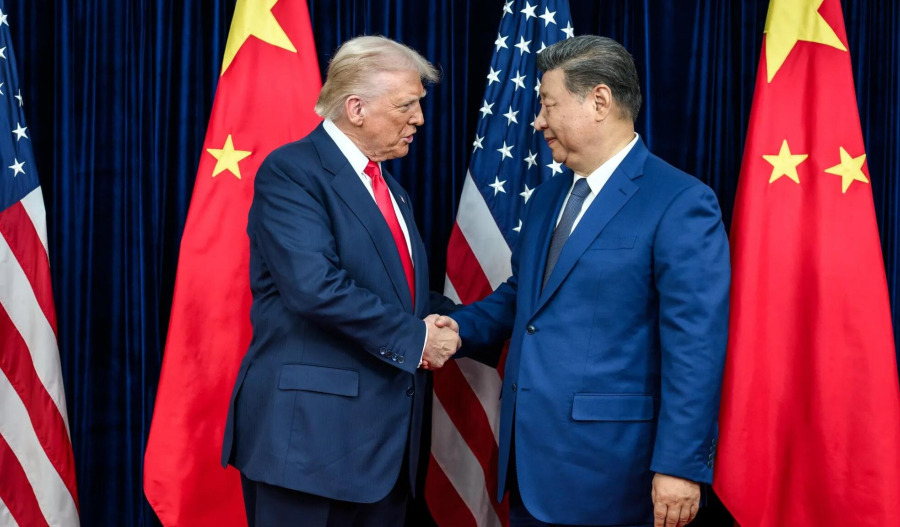
Donald Trump arrived in Beijing on Thursday for his first China visit since 2017, accompanied by 17 chief executives, including Tesla's Elon Musk, Nvidia's Jensen Huang, Apple's Tim Cook and Boeing chief Kelly Ortberg.
Xi Jinping told the assembled execs that China's door would "open wider" to U.S. companies, with Xinhua reporting American firms stood to "enjoy even broader prospects in China", while Premier Li Qiang separately pledged Beijing would continue improving conditions for foreign operators.
The two-day agenda spanned trade, tariffs, Taiwan, artificial intelligence, rare earths and the ongoing conflict involving Iran.
Boeing order falls short
Speaking to Fox News on Thursday, Trump announced Beijing had agreed to purchase 200 Boeing jets, attributing the commitment to Xi and adding that "Boeing wanted 150, they got 200".
Neither the planemaker nor Chinese officials confirmed aircraft types, recipient airlines or delivery schedules following the announcement.
The figure came in well below the roughly 500 aircraft - primarily 737 MAX narrowbodies alongside 787 Dreamliner and 777X widebodies - that sources familiar with the negotiations had indicated were under discussion ahead of the summit.
The manufacturer's shares shed close to 4% as investors weighed the gap between pre-summit expectations and the number Trump put on the table.
Ortberg, who joined the U.S. delegation in Beijing, had previously told analysts the trip was "a meaningful opportunity" and expressed confidence any bilateral agreement would include aircraft orders, while noting the outcome was "100% dependent on U.S.-China negotiations and relations".
Beijing's last confirmed major commitment to the planemaker came in 2017, also during a Trump visit, when Chinese carriers ordered 300 aircraft valued at more than US$37 billion.

H200 licences granted, deliveries pending
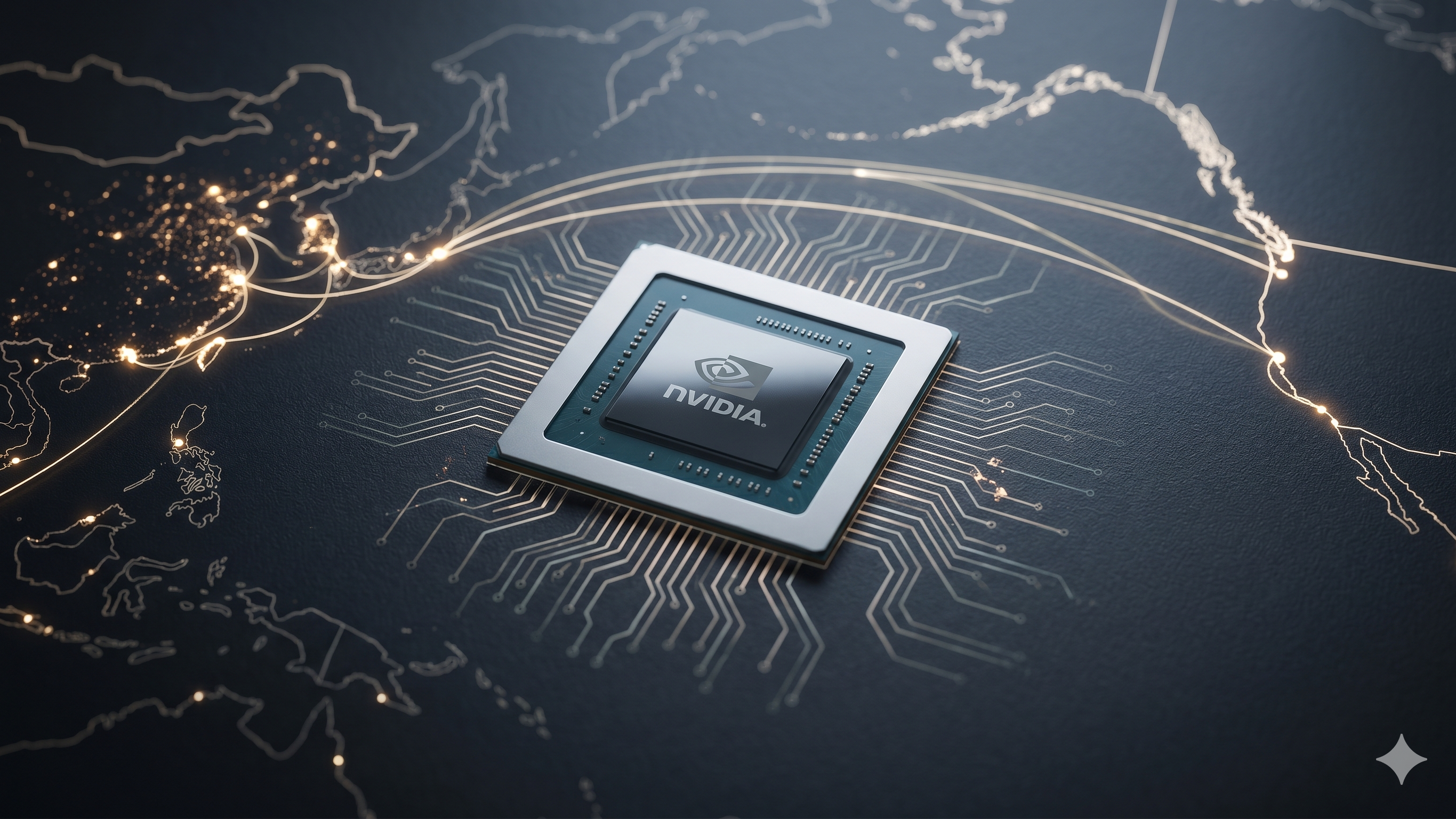
The U.S. Commerce Department issued purchasing licences to roughly 10 Chinese technology companies - including Alibaba, Tencent, ByteDance and JD.com - permitting them to acquire Nvidia's H200 processors directly from the chipmaker or via authorised distributors Lenovo and Foxconn, with each recipient capped at 75,000 units.
Reuters reported that no hardware had reached any approved Chinese buyer as of the summit date, with sources indicating Beijing remained dissatisfied with the conditions attached to the approvals.
Huang confirmed at the Great Hall of the People that Nvidia holds licences from both Washington and Beijing to supply H200 chips to Chinese customers, adding that demand from those buyers substantially outpaces available supply.
"What is at stake is not just one trip or one headline but the direction of AI supply chains, the shape of future export controls, and the degree to which U.S. chip leadership remains monetisable in China," Wedbush Securities analyst Dan Ives wrote in a note published ahead of the meetings.
Taiwan, Hormuz and rare earths
A Xinhua readout from the closed-door session - which ran for roughly two hours and 15 minutes - reported Xi told Trump that Taiwan is "the most important issue in China-U.S. relations," warning that mishandling the matter would produce "clashes and even conflicts".
Trump told Fox News that Xi indicated a willingness to help reopen the Strait of Hormuz and pledged not to supply Iran with military hardware, though neither government subsequently confirmed those positions in formal documentation.
On rare earths - where Beijing controls roughly 90% of global processing capacity for materials critical to semiconductors, electric vehicles and defence hardware - CBS News reported China had agreed to halt export restrictions as part of a broader easing of trade tensions preceding the visit.
That concession carries context: Beijing deployed those same curbs as leverage during the 2025 trade dispute, when tit-for-tat escalation briefly pushed mutual tariffs above 140%.
"China comes into this meeting far more confident than in 2017, when it feared even a small rise in U.S. tariffs," CSIS senior adviser Scott Kennedy told CNBC.
A Council on Foreign Relations assessment concluded that Xi's use of rare earth export curbs during the 2025 standoff had materially shifted the bilateral balance of leverage heading into the summit.