Meetings

Trump not ruling out further military response to Iran

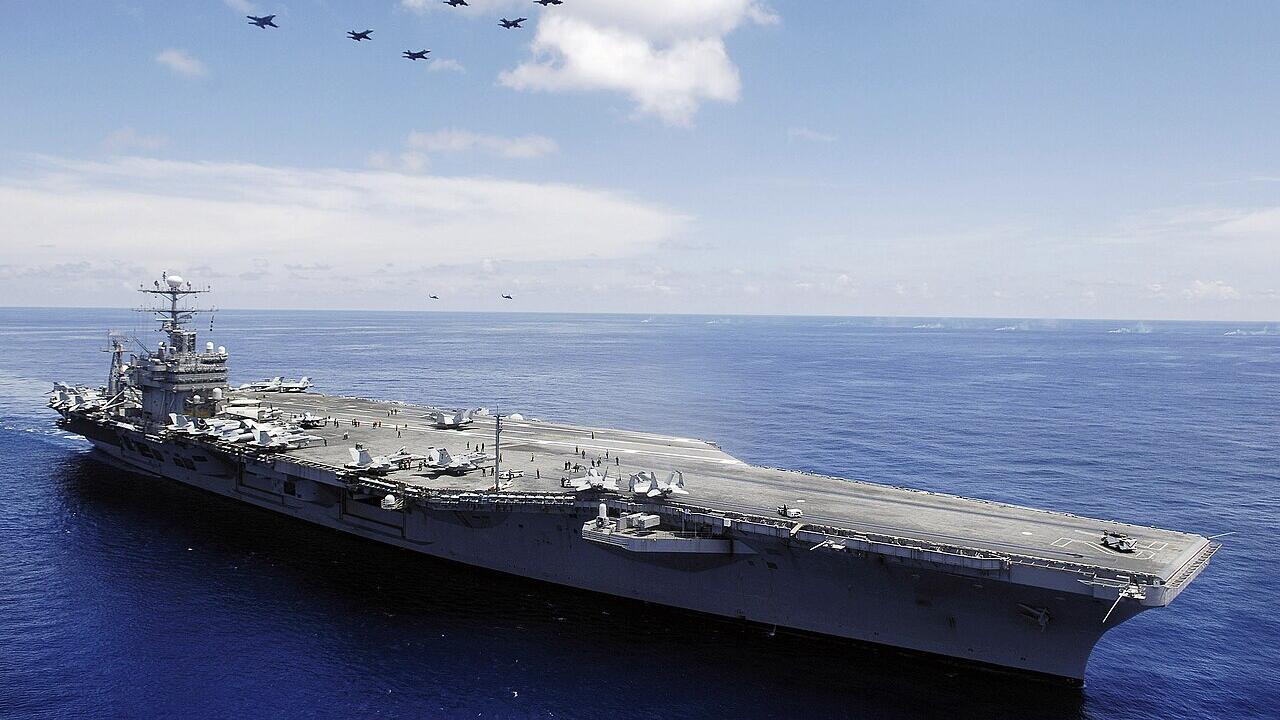
United States President Donald Trump has said he will not rule out deploying a second aircraft carrier group if talks with Iran fall through. Negotiations around nuclear powers and uranium between the two nations picked up last week for the first time since June of last year, when 12 days of conflict broke out between Iran and Israel. During that conflict, the U.S. launched strikes on three critical areas of Iran, and the USS Abraham Lincoln, plus its strike group, are currently in the area. The strike group includes Tomahawk missiles and fighter jets. Now, speaking to Axios, Trump has confirmed that a second group being deployed is on guard. "Either we will make a deal or we will have to do something very tough like last time," he said. "Last time they didn't believe I would do it…they overplayed their hand." Iran is currently refusing Trump’s demand for the Middle Eastern nation to be subject to a complete ban on enriched uranium, and maintains it has the right to a civilian nuclear program.

Iranian FM holds talks with Turkish counterpart

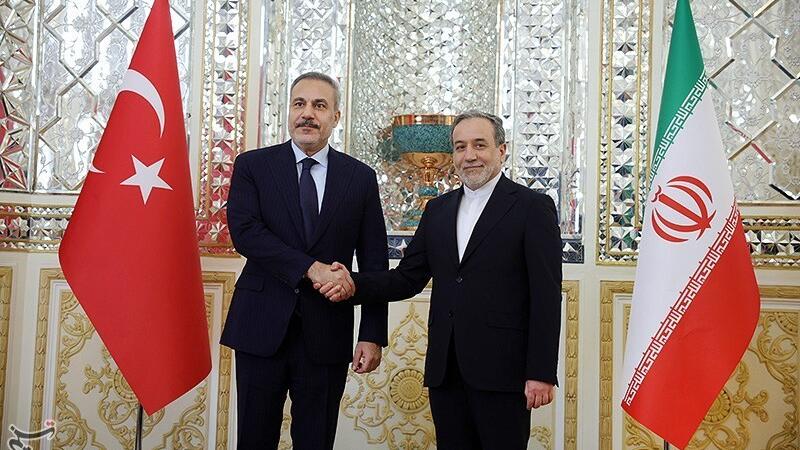
Iran is in talks with Türkiye over growing tensions with the United States and Iranian nuclear capabilities. Abbas Araghchi, the Iranian foreign minister, is scheduled to meet with his Turkish counterpart, Hakan Fidan, on Friday, local time, in Ankara. This comes amidst growing tensions with the Trump administration over Iran's desire to rebuild its nuclear program, which President Donald Trump has made clear will have consequences. “They [Iran] have all the options to make a deal,” U.S. Defence Secretary Pete Hegseth said last week. “They should not pursue nuclear capabilities. And we will be prepared to deliver whatever this president expects.” Turkey is now attempting diplomacy between both nations, with the talks scheduled in Ankara and President Recep Tayyip Erdoğan proposing a video call between Trump and Masoud Pezeshkian, Iranian president. Trump's latest comments on the matter, at the Kennedy Center on Thursday, seemed to be geared towards peace, however, saying it would “be great” if the States did not have to deploy attacks from the "lot of very big, very powerful ships sailing to Iran right now”.

Netanyahu in Washington; talks Gaza, Iran and more

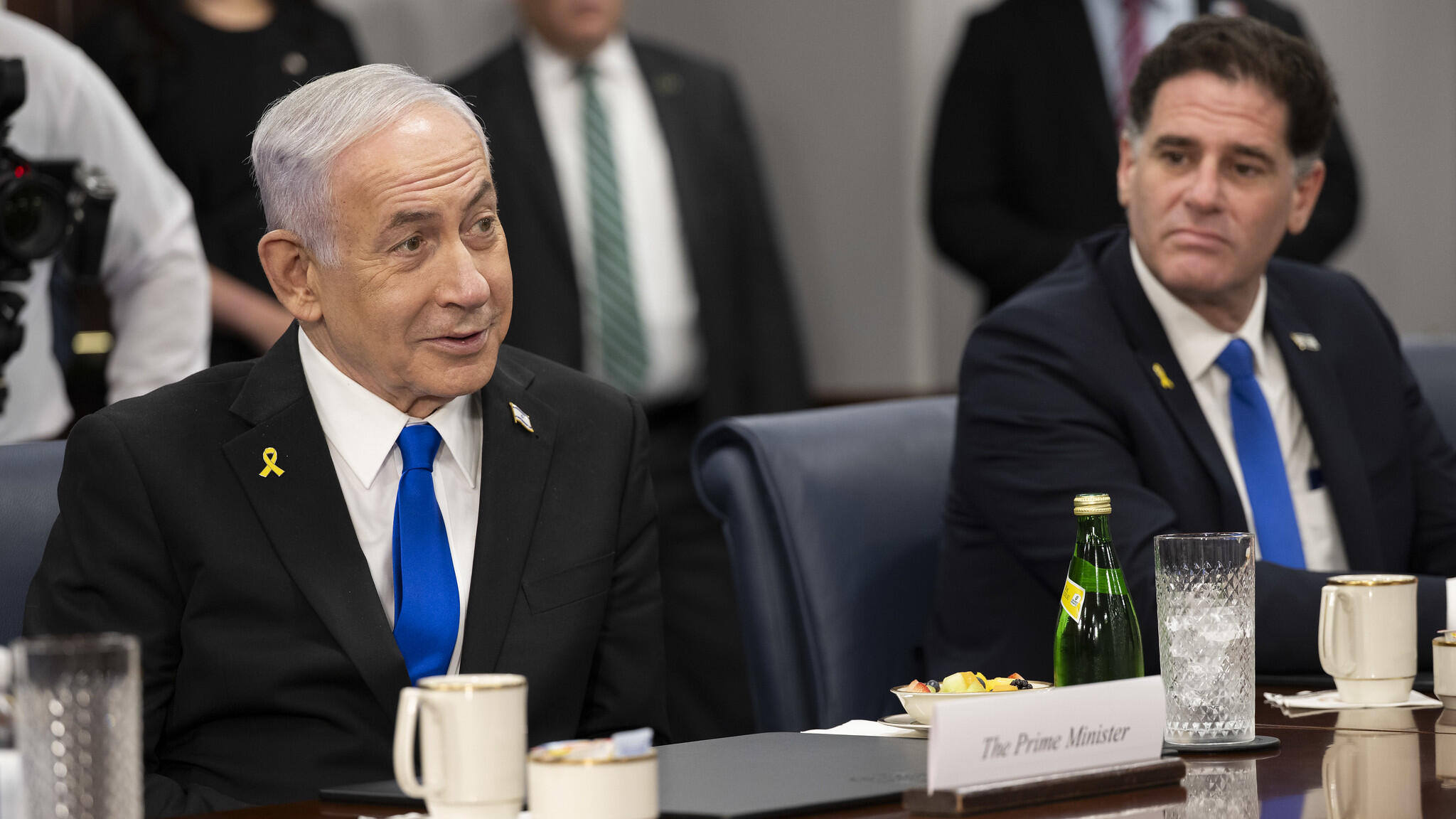
Israeli Prime Minister Benjamin Netanyahu has met with United States President Donald Trump, marking his fifth visit to the U.S. Palestine, Iran and Syria were just some of the “five major subjects” on the table during the private lunch meeting, which took place at Mar-a-Lago, Florida. Despite the significance of the topics, the two leaders emerged mostly with nothing but praise for one another, rather than any new major milestones for the Middle East or the U.S. “We’ve never had a friend like President Trump in the White House. It’s not even close,” Netanyahu said, after announcing that he would be awarding Trump the highest civilian excellence honour in Israel. The complimentary nature of the meeting was bolstered by Trump, calling his Israeli counterpart a “wartime leader” and the relationship between them as "extraordinary”. When discussing the ceasefire agreement in Gaza, Trump dismissed Israel's violations of the deal, instead focusing on Hamas and saying that there would be “hell to pay” if they did not disarm within “a very short period of time". “Israel has lived up to the plan, 100%,” he said, despite reports of concern and frustrations within his administration over Israel blocking the peace process.

US, UK refuse to sign AI agreement at Paris summit

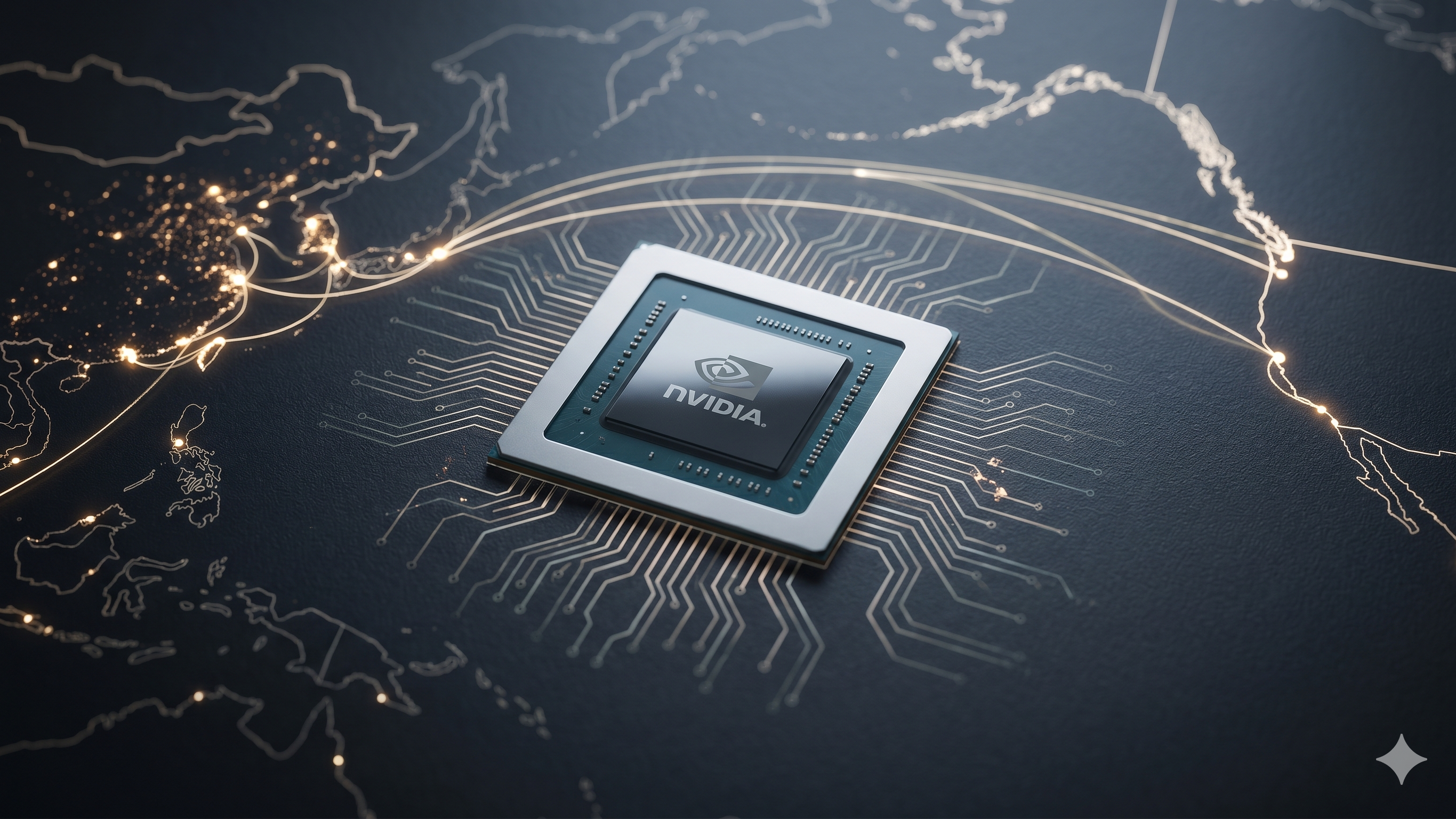
The United Kingdom and United States have declined to sign an international agreement on artificial intelligence. The statement was signed by dozens of other nations at the global AI Action summit in Paris, but the U.S. and U.K. refused, with the U.K citing concerns about national security and "global governance" and U.S. Vice President JD Vance saying that over-regulation of AI would “kill a transformative industry just as it's taking off”. A spokesperson for British Prime Minister Keir Starmer was asked at the summit if they were strategically following the States lead by not signing, which was denied, stating they were “not aware of the U.S. reasons or position” on the declaration. Meanwhile, one day earlier on Monday, local time, the U.K government launched it's very first AI playbook for the public sector. Despite concerns the international agreement promised to ensure that "AI is open, inclusive, transparent, ethical, safe, secure and trustworthy, taking into account international frameworks for all”. French President Emmanuel Macron backed it, calling for further regulation. "We need these rules for AI to move forward," Macron said at the summit. There were 60 other signatories, including France, China,