Securing a $20 billion Series E funding round earlier today has pushed Elon Musk’s xAI beyond the US$40 billion total capital threshold, joining the likes of Sam Altman's OpenAI.
Market valuations for the venture now sit at about $230 billion, establishing the firm as a primary challenger within the foundational model landscape.
Internal roadmaps for Grok 5 point toward a first quarter 2026 release, featuring massive parameter scaling and enhanced reasoning tools designed for corporate workflows.
Investment interest in this latest tranche was spearheaded by Nvidia and Cisco, alongside institutional heavyweights like Valor Equity Partners and the Qatar Investment Authority.
Aggregate funding levels have climbed sharply over the past eighteen months as the organization moves from a research-intensive phase into broad commercialization.
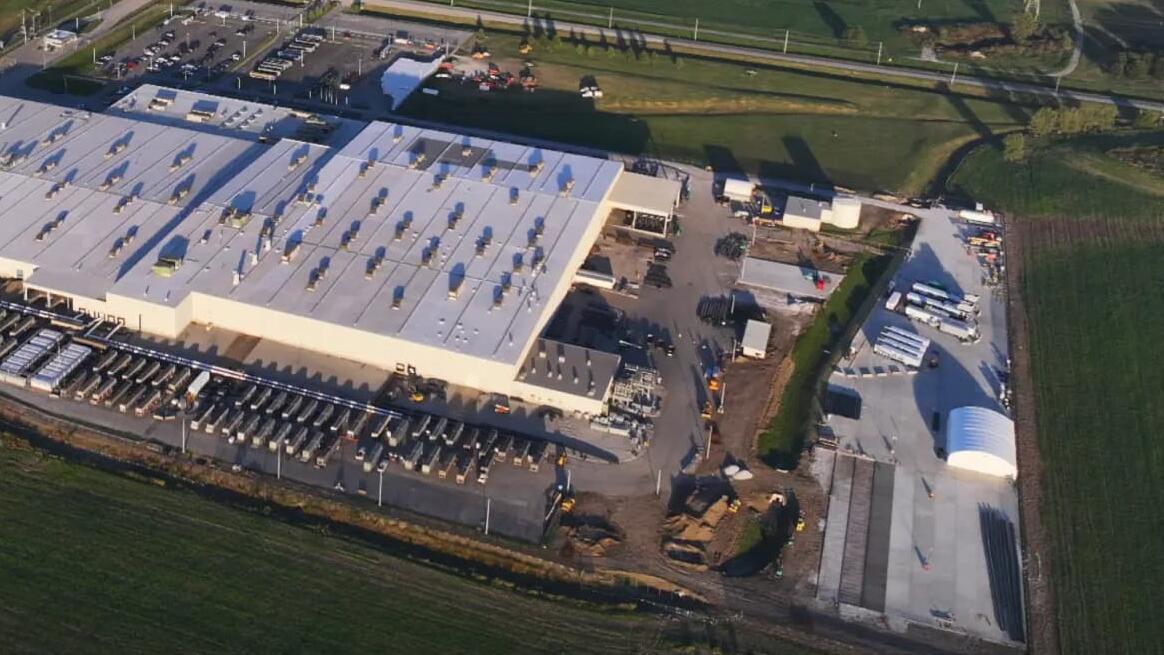
Strategic expansion plans detailed on the official xAI blog focus heavily on the Memphis-based Colossus supercomputing cluster.
Engineering teams are currently scaling this site to support a hardware footprint exceeding one million graphics processing units, intended to train the next-generation Grok 5 architecture.
Recent property acquisitions near the Tennessee facility, including a building playfully dubbed ‘MACROHARDRR’, suggest a significant ramp-up in data centre capacity for 2026.
"This financing will accelerate our world-leading infrastructure buildout, enable the rapid development and deployment of transformative products, and fuel groundbreaking research," the company said.

Capex continues
Capital intensity in the sector remains high, with OpenAI recently securing its own record $40 billion investment from SoftBank to defend its leadership position.
Rival developer Anthropic is also preparing for a potential 2026 public listing with a valuation that could surpass $300 billion, further crowding the top tier of the market.
Industry observers suggest that xAI’s vertical integration - specifically its access to real-time data from the X platform and Tesla’s sensor fleet - creates a competitive moat that Google and Meta struggle to replicate.
Deal structures for the Series E round reportedly include preferential hardware supply agreements, ensuring the venture maintains its aggressive procurement cycle despite global chip shortages.
"The capital injection reflects high levels of confidence in the project's technical roadmap and its capacity to scale within a competitive landscape," Wedbush Securities' Dan Ives said.