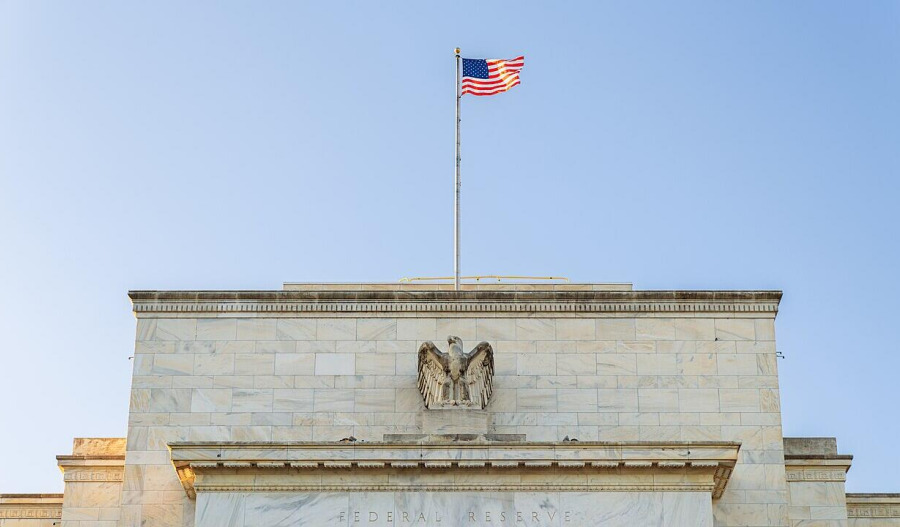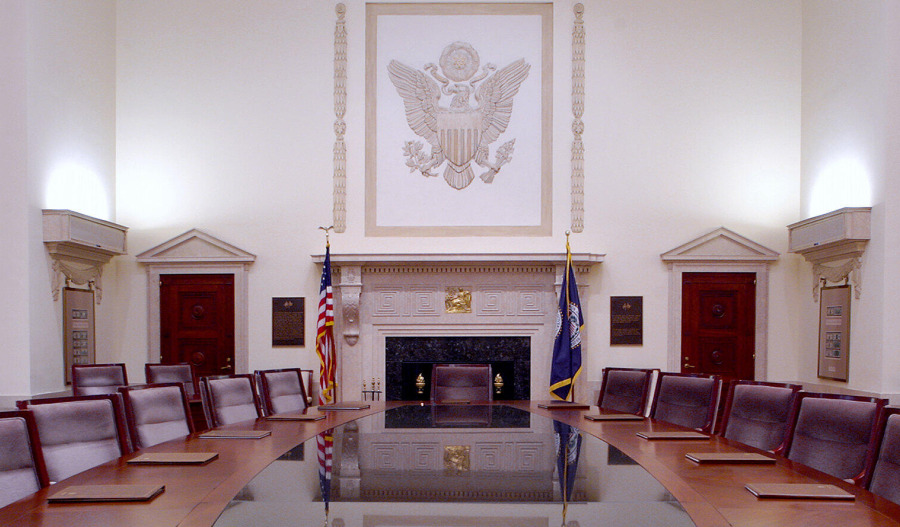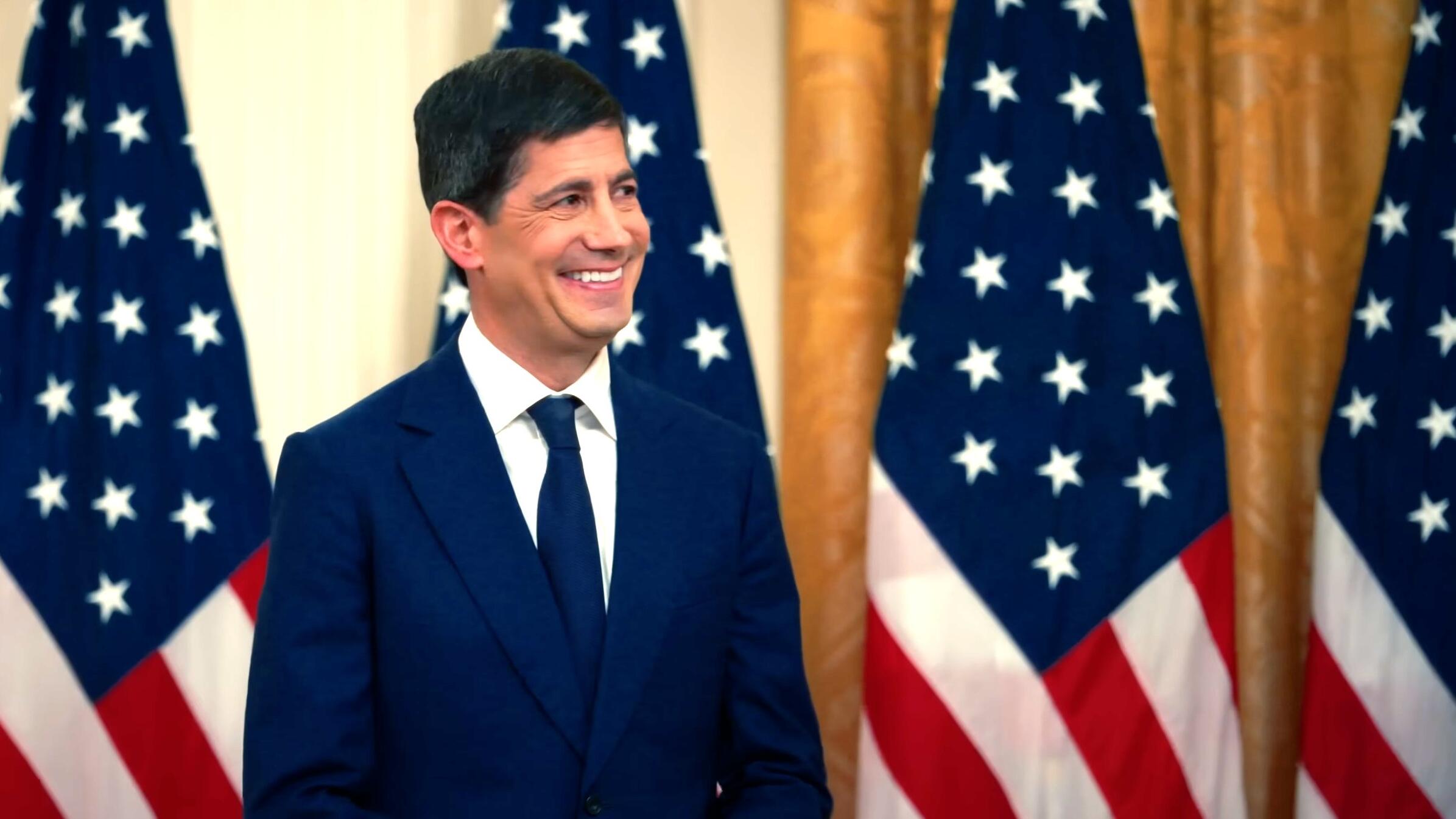
Kevin Warsh has been sworn in as chair of the Federal Reserve at a pivotal moment for the United States economy, as policymakers grapple with rising inflation pressures linked to the conflict involving Iran and Israel and growing concerns over consumer confidence.
Warsh signalled an intention to pursue major reforms at the central bank shortly after taking the oath of office.
“I will lead a reform-oriented Federal Reserve, learning from past successes and mistakes, both escaping static frameworks and models and upholding clear standards of integrity and performance,” Warsh said.
Warsh, who was selected by United States President Donald Trump in January when expectations pointed toward moderating inflation and stable economic growth, now assumes leadership of the central bank amid a much more challenging environment.
The economic outlook has deteriorated as surging oil prices tied to the conflict in the Middle East have pushed petrol prices sharply higher, mortgage rates to their highest level in nine months, and overall inflation to its highest level in three years.
Despite mounting price pressures, American consumers have continued spending, helping shield the economy from a broader downturn.
However, affordability concerns have weighed heavily on public sentiment, with surveys showing consumer confidence at historically weak levels.
Warsh now faces an immediate challenge in determining how the Federal Reserve should respond to the competing pressures of slowing economic momentum and stubborn inflation.
Policymakers must decide whether to maintain current interest rate settings while waiting for further economic clarity or adopt a more restrictive policy stance if inflation continues accelerating.
Warsh is widely viewed as closely aligned with Mr Trump, who has repeatedly demanded lower interest rates and argued that cuts are needed to reduce government borrowing costs and support economic growth.
Mr Trump said on Friday that he wanted Warsh “to be totally independent”.

“Don’t look at me, don’t look at anybody, just do your own thing and do a great job,” Trump added.
However, the president has frequently criticised former Federal Reserve chair Jerome Powell over the pace of monetary easing, previously describing him as a “numbskull” and an “average mentally person” while at times threatening to remove him from the role.
Warsh emphasised that the Federal Reserve would continue operating independently, with a focus on lowering inflation and supporting economic growth.
The Federal Reserve chair does not independently determine interest rates. Decisions are made collectively by the Federal Open Market Committee, which sets policy based on economic conditions and forecasts rather than political pressure.
Mr Trump praised Warsh’s leadership abilities and said he expected the new chair to encourage collaboration among policymakers.
“I know he will welcome robust debate in his mission to keep prices stable and employment high. Kevin will have the full support of my administration,” Trump said.
Federal Reserve officials had projected at least one interest rate cut later this year during their March forecasts, but recent developments have altered expectations as policymakers assess the impact of rising energy prices and geopolitical instability.
Most officials are now believed to support holding rates steady, while some policymakers have even raised the possibility of further rate increases if inflation pressures persist.
Warsh’s first Federal Open Market Committee meeting as chair is scheduled for 16-17 June.
The new Fed chair has also proposed several structural and communication changes for the central bank.
Among the reforms under consideration are restrictions on public commentary by Fed officials regarding future interest rate expectations.
Warsh has also advocated for narrowing the Federal Reserve’s focus to its core economic responsibilities, arguing the institution should avoid involvement in broader political and social issues.