United States equities posted gains on Friday (Saturday AEST) as investors cheered an apparent easing of geopolitical tensions in the Middle East amid Iran’s decision to reopen the Strait of Hormuz.
The Dow Jones Industrial Average climbed 868.7 points or 1.8% to 49,447.4. The S&P 500 rose 84.8 points or 1.2%, to close at a record 7,126.1, marking its first finish above the 7,100 level.
The Nasdaq Composite advanced 365.8 points or 1.5% to 24,468.5, extending its rally to a 13th consecutive session and posting its longest winning streak since 1992.
Meanwhile, the Russell 2000 also reached a new high, gaining 57.3 points, or 2.1%, to 2,776.9.
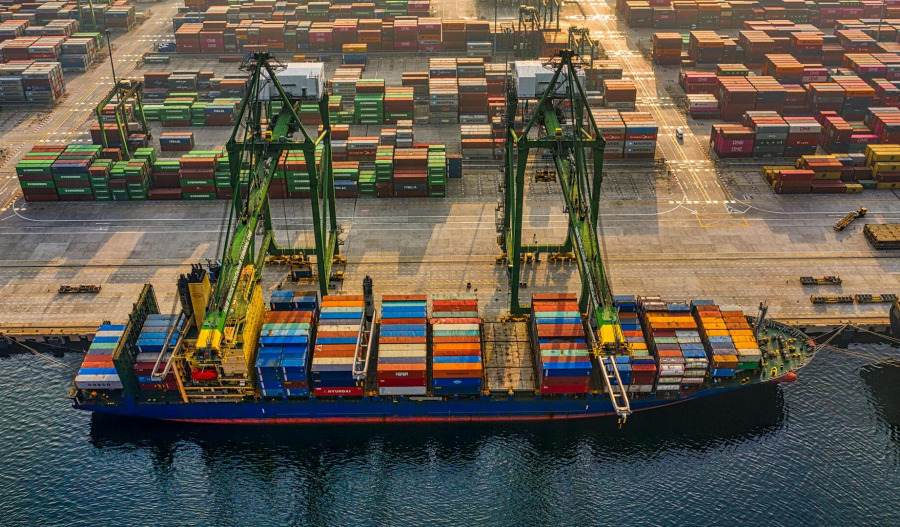
Markets were buoyed after Iran signalled a reopening of the critical shipping route. In a post on X, Iranian Foreign Minister Seyed Abbas Araghchi wrote, “In line with the ceasefire in Lebanon, the passage for all commercial vessels through Strait of Hormuz is declared completely open for the remaining period of ceasefire, on the coordinated route as already announced by Ports and Maritime Organisation of the Islamic Rep. of Iran.”
The Strait of Hormuz reopening triggered a sharp decline in oil prices. U.S. West Texas Intermediate crude futures fell nearly 12% to settle at US$83.85 a barrel, while Brent crude dropped 9% to $90.38.
However, uncertainty remains over the durability of the reopening and broader peace efforts in the region as Iran moved to close the Strait again.
ANZ analysts said in a client note: "Over the weekend, Iran announced that the strait was again closed after the U.S. kept its blockade in place. Media reports said the U.S. military would start boarding Iran-linked oil tankers and seize commercial ships in international waters, and Israel attacked targets in Lebanon.
The U.S. announced more peace talks this week, though Iran suggested the U.S. would have to lift the blockade before it would attend. While the situation is complex and volatile, it is clear that it is not going to be easy to get energy markets back to pre-war operations once the strait is fully open.
"Production needs to recover (eg restarting shut-in wells), crude oil and gas need to be transported for processing (insurance is a constraint here). And once processed, a race to rebuild inventories will also be a factor. Each of those stages takes weeks.
"Supply chains for plastics, fertilisers and a range of industrial chemicals will also take time to normalise. Months of disruption are now expected. In some areas, it will take longer; for instance, missile damage to Qatar’s gas-field infrastructure will take years to restore."

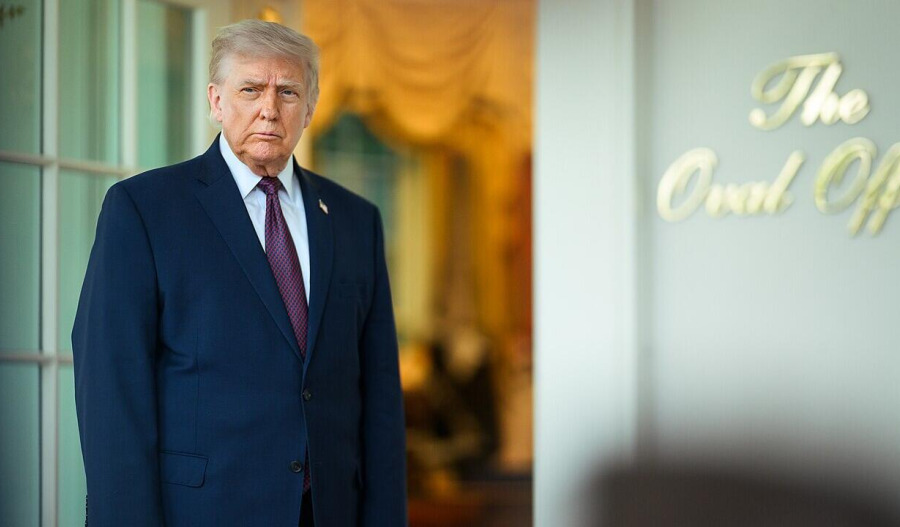
Geopolitical tensions continued to cloud the outlook. Iranian state media reported on Sunday that Tehran would not participate in a new round of peace talks with the United States, contradicting earlier comments from U.S. President Donald Trump that negotiations would resume in Pakistan.
Iran’s official IRNA news agency stated: “Iran stated that its absence from the second round of talks stems from what it called Washington’s excessive demands, unrealistic expectations, constant shifts in stance, repeated contradictions, and the ongoing naval blockade, which it considers a breach of the ceasefire.”
Iran’s decision to walk away from negotiations, specifically citing its demand to end the U.S. blockade of Iranian ports, came as Trump said in a Truth Social post that the U.S. had intercepted a ship called the TOUSKA in the Gulf of Oman, warning it to stop.
When it did not, the U.S. Navy fired upon it, and the vessel was seized.
“Under these conditions, the outlook for constructive talks remains bleak,” IRNA added in a post on X.
President Donald Trump said earlier that Israel and Lebanon had agreed to a 10-day ceasefire, which came into effect late Thursday.
During Friday's regular session, easing of supply concerns lifted sectors sensitive to fuel costs. Airline, cruise, and travel-related stocks rallied, with Boeing rising around 2% and Royal Caribbean jumping 7%.
Technology and consumer stocks, including Amazon and Airbnb, also moved higher.
Not all sectors participated in the rally. Netflix shares dropped 9.7% after forecasting weaker-than-expected current-quarter earnings and announcing the departure of co-founder and long-time chairman Reed Hastings after 29 years.
Alcoa declined 6.8% after reporting first-quarter profit and revenue below expectations, citing higher costs and softer demand conditions.
In fixed income markets, Treasury yields edged lower, with the 10-year yield falling 1.6% to 4.248% and the 2-year yield declining 2% to 3.706%, reflecting a modest shift towards safer assets despite the equity rally.