
USA Rare Earth has agreed to acquire Brazilian miner Serra Verde in a transaction valued at US$2.8 billion, including ~$300 million in cash and $126.9 million in newly issued stock, and is backed by the United States Government.
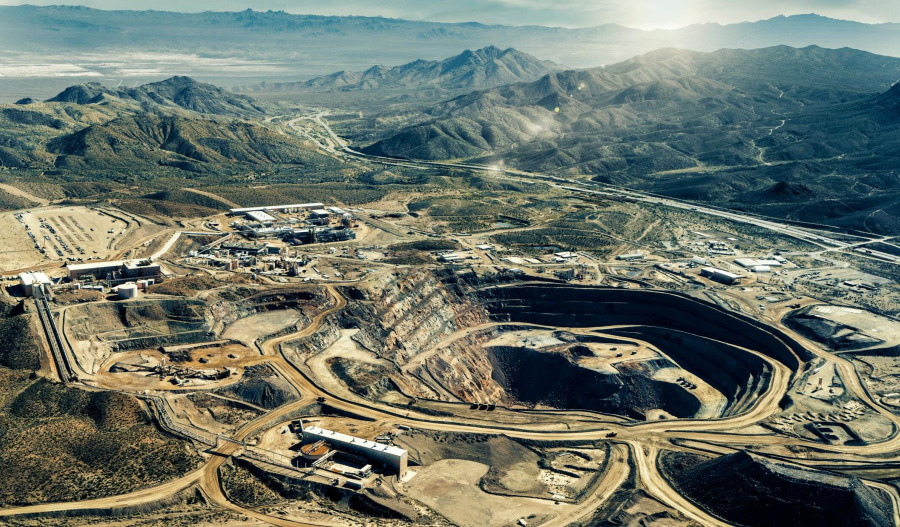
Serra Verde owns the Pela Ema mine and processing plant in Goiás, Brazil - the only producer outside Asia capable of supplying all four magnetic rare earths at scale, including the heavy elements dysprosium, terbium and yttrium.
The operation entered commercial production in early 2024 and is targeting output of 6,500 tonnes of rare earth oxides per year by the end of 2027, across a 25-year mine life.
That output is expected to represent more than half of all non-China heavy rare earth supply globally by 2027.
The privately-owned miner also secured a $565 million financing package from the U.S. International Development Finance Corporation to fund optimisation and expansion through to positive cash flow.
The mine carries a 15-year offtake agreement with a special-purpose vehicle capitalised by U.S. government agencies and private capital sources, covering 100% of Phase I production, with guaranteed floor prices for dysprosium and terbium.
Serra Verde CEO Thras Moraitis said the floor prices for dysprosium and terbium are an industry first, providing secure and predictable cash flows to support further expansion.

Supply tight and export controls
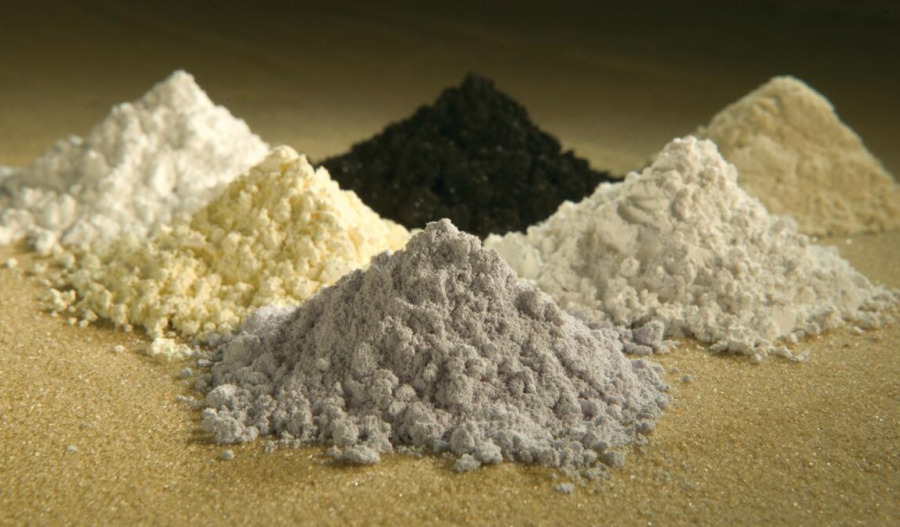
Heavy rare earths are scarcer and more expensive than light rare earth elements, and are the primary feedstock for high-performance permanent magnets used in advanced military hardware, electric vehicles and industrial motors.
China produces between 85% and 99% of global heavy rare earth supply depending on the specific element.
Across all rare earth refining, China accounts for ~91% of global processed output.
China introduced two rounds of rare earth export controls in April and October 2025, covering seven rare earth elements and their derivative products, requiring exporters to obtain licences from China's Ministry of Commerce - a process that can significantly delay shipments.
The second wave of controls was suspended for one year until November 2026 as part of a broader trade agreement, though the April 2025 controls remain in force.
European Central Bank economists estimated that more than 80% of large European firms are no more than three degrees of separation away from a Chinese rare earth producer.
Shares of USA Rare Earth fell 3.4% in premarket trading on the announcement, though the stock was up approximately 68% year-to-date through to Friday's close.