The United States first-quarter earnings season has reinforced a growing divide within the economy - consumers are still spending, but doing so more selectively than at any point since the post-pandemic recovery began.
That cautious behaviour has emerged as a defining theme across major retail and home improvement chains, including Walmart, Home Depot, Lowe's, Target and Costco Wholesale, even as broader equity markets continue to reach record highs led by technology and artificial intelligence-linked companies such as NVIDIA, Palantir Technologies and Alphabet.
Retail earnings, however, have offered a more grounded view of the underlying economy.
The consumer remains active, but increasingly deliberate about where and how money is spent, balancing higher living costs, elevated energy prices and a persistently weak housing market.
Across earnings calls, executives repeatedly described shoppers as resilient but increasingly “choiceful”, making sharper trade-offs across categories while continuing to prioritise essential spending.
How retailers are reading the consumer
Walmart used the term “choiceful” to describe customers trading down in certain categories while shifting toward private-label products, including among higher-income households.
That same pattern has become particularly visible in home improvement, where consumers continue to spend on maintenance and repair but delay large discretionary projects.
Home Depot reported first-quarter adjusted earnings per share (EPS) of $3.43, ahead of estimates, with revenue of $41.77 billion. But underlying metrics pointed to softer momentum.
Comparable sales rose just 0.6%, while transactions fell 1.3%, marking the fourth consecutive quarterly decline.
Chief financial officer Richard McPhail told CNBC in an interview that the core homeowner remains relatively insulated, noting, “The homeowner in a relative sense is perhaps more protected financially than other customer cohorts and so we continue to see engagement,” but added that larger projects are still being deferred.
“They continue to tell us that they are going to defer their spend on larger projects,” he said. “That’s consistent with what they’ve told us the last few years.”
Lowe's echoed a similar sentiment, posting adjusted EPS of $3.03 and revenue of $23.08 billion, both ahead of expectations, with comparable sales rising 0.6%.
CEO Marvin Ellison described a “really difficult do-it-yourself housing market” and highlighted the growing split in consumer behaviour.
Ellison said Lowe’s is operating in a “K-shaped economy”, where higher-income households continue to spend while lower-income consumers are pulling back more aggressively.

Housing weakness continues to weigh on demand
Both Home Depot and Lowe’s continue to face structural pressure from elevated interest rates, low housing turnover and delayed renovation activity.
Home Depot reaffirmed its full-year guidance, forecasting sales growth of 2.5% to 4.5%, while continuing to expand its exposure to professional contractors through acquisitions such as SRS Distribution and GMS.
McPhail said the company’s strategy is aimed at strengthening its position in the “$700 billion pro market”, which is seen as more resilient than discretionary DIY spending.
Lowe's also reaffirmed guidance, with management emphasising that sustained improvement in housing activity is unlikely without lower interest rates.
Ellison noted: “I think overall, this has been the most difficult housing markets that I’ve faced in this business since the financial crisis.”
Target shows early signs of stabilisation
Target delivered one of the stronger earnings surprises of the quarter, reporting EPS of $1.71 versus expectations of $1.46, and revenue of $25.44 billion.
Same-store sales rose 5.6%, the first positive reading in five quarters, supported by gains across stores and digital channels.
CEO Michael Fiddelke told CNBC, “Even with this early progress, we know our work is just beginning, and we have confidence we’re on the right path because guests are responding in areas where we are leaning in and driving change.”
Despite the beat and upgraded guidance, shares fell as investors questioned whether early momentum can be sustained in a fragile macro environment.
Fiddelke added, “Despite our updated guidance, we’re maintaining a cautious outlook given the work we know we have in front of us and ongoing uncertainty in the macroeconomic environment.”
Costco highlights value-driven demand
Costco Wholesale reported EPS of $4.93, in line with expectations, on revenue of $70.53 billion, up 11.6% year-on-year.
Comparable sales rose 9.8%, exceeding forecasts, driven in part by fuel demand and value-seeking behaviour among consumers. Excluding fuel, adjusted comparable sales increased 6.6%.
Digital sales climbed 21.5%, supported by a 37% rise in traffic across its website and app, while membership fee revenue increased 11% to $1.37 billion.
Chief executive Ron Vachris said the company saw “record-breaking volumes” at its petrol stations as consumers responded to higher fuel prices linked to geopolitical tensions.
Vachris said, “The final five weeks of the quarter represented Costco’s five highest fuel-volume weeks on record,” underscoring the role of fuel inflation in shifting consumer behaviour toward value-focused retailers.
The growing importance of value retail
One of the clearest structural trends emerging this earnings season is the continued strength of value-focused retail models.
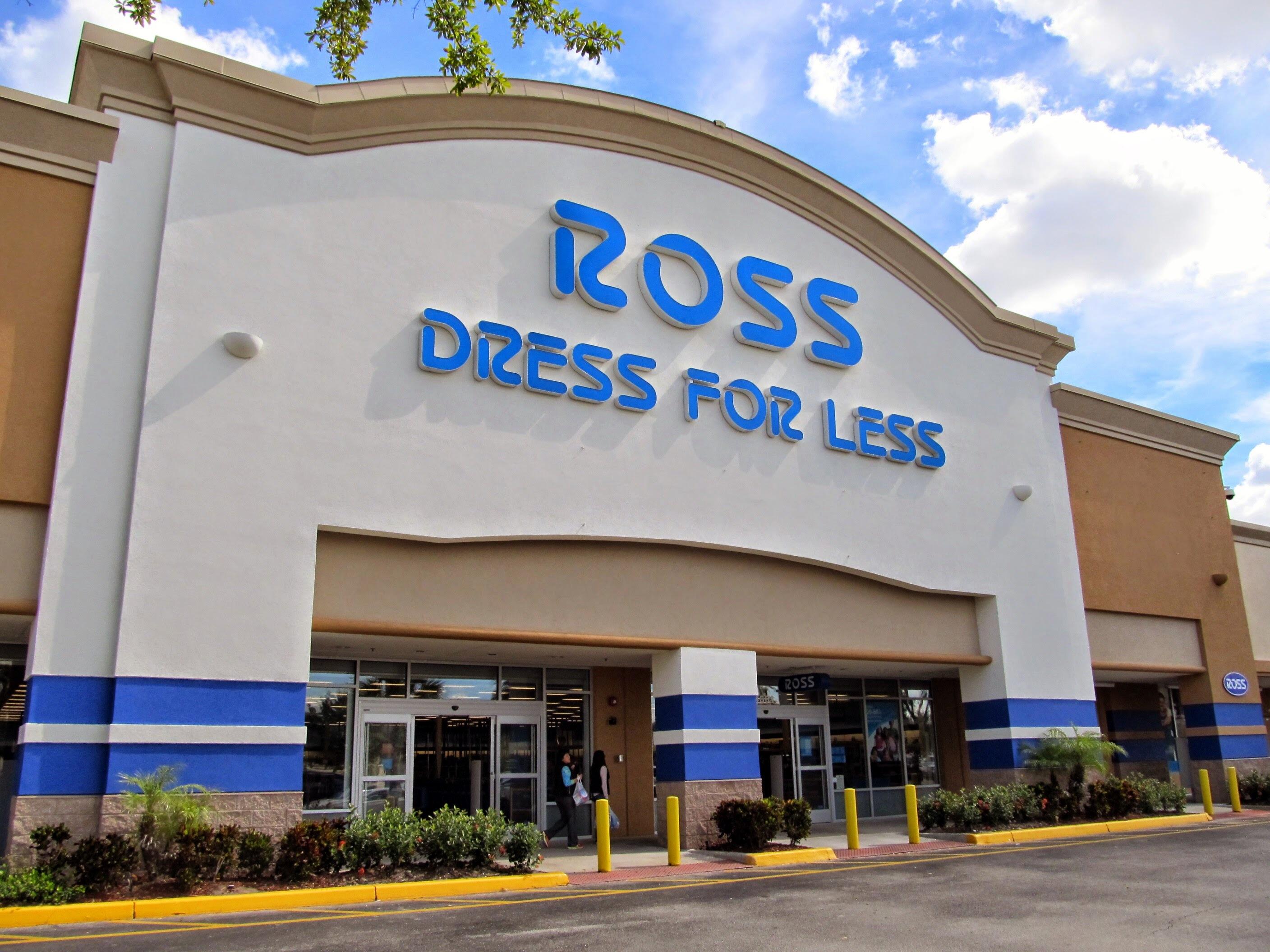
Off-price retailers such as TJX Companies and Ross Stores continue to benefit from both trade-down behaviour among lower-income households and bargain-hunting among higher-income consumers.
This bifurcation has become central to understanding retail performance, as companies are no longer simply exposed to “strong” or “weak” consumers, but to entirely different income-driven spending behaviours within the same economy.
BNPL stress and hidden consumer fragility
A deeper concern beneath headline retail results is the rise in buy-now-pay-later (BNPL) stress.
According to LendingTree’s 2026 Buy Now, Pay Later Report, 47% of BNPL users reported paying late on at least one loan in the past year, up from 41% in 2025 and 34% in 2024.
The trend suggests that BNPL products, once marketed as budgeting tools, are increasingly functioning as essential liquidity for lower-income households under pressure from inflation and higher living costs.
Markets, technology and the divergence
The broader earnings season continues to highlight a widening gap between market leadership and the real economy.
Technology and AI-linked companies continue to benefit from large-scale capital investment by hyperscale cloud providers, while consumer-facing sectors tied to discretionary spending face a more constrained environment.
As a result, investors are increasingly being forced to distinguish between companies exposed to resilient, infrastructure-driven demand and those dependent on households under mounting financial pressure.