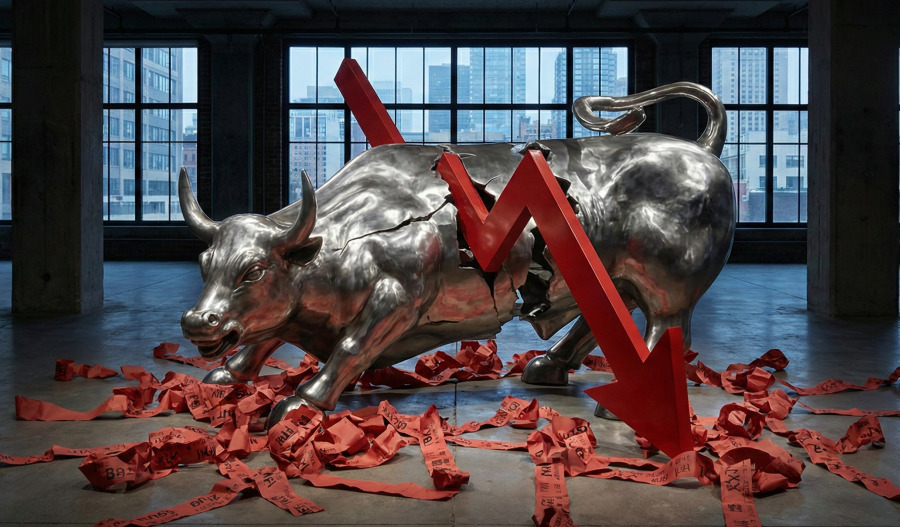
United States stock futures edged lower on Sunday night (Monday AEDT) as Wall Street entered a new month of trading, with investors monitoring renewed weakness in bitcoin and heightened volatility across risk assets.
By 10:30 am AEDT (11:30 pm GMT), Dow Jones Industrial Average futures were down 0.3%, S&P 500 futures had fallen 0.6%, and Nasdaq-100 futures were lower by 1%.
Cryptocurrencies were under pressure after a sharp weekend sell-off. Bitcoin fell below $80,000 for the first time since April, signalling a broader pullback in risk appetite following last week’s heavy declines in precious metals. The digital asset was last trading near $76,000.
The move in crypto followed extreme swings in metals markets on Friday. Silver, which has more than doubled over the past year, plunged about 30% in a single session, marking its worst one-day performance since 1980. Gold also fell roughly 9%.
Investors were also focused on developments in the technology sector, particularly surrounding artificial intelligence spending.
The Wall Street Journal reported, citing people familiar with the matter, that Nvidia’s plans to invest US$100 billion into OpenAI have stalled, with company executives reportedly expressing doubts about the scale and structure of the deal.

Earnings remain another key driver this week, with more than 100 S&P 500 companies scheduled to report results, including Amazon, Alphabet and Disney.
According to FactSet’s Earnings Insight, as of 30 January, 2026, and with around one-third of S&P 500 companies having reported fourth-quarter results, 75% have delivered positive earnings-per-share surprises, while 65% have exceeded revenue expectations.
Macro data are also in focus. Markets are awaiting the January U.S. nonfarm payrolls report due on Friday, which is expected to show an increase of about 70,000 jobs.
The data will be closely watched for further clues on labour market momentum and the Federal Reserve’s policy path.
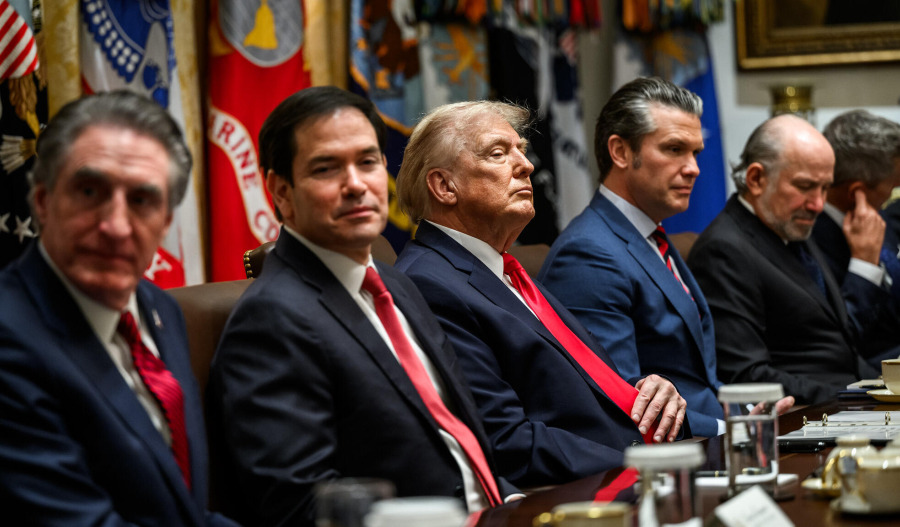
Futures weakness follows a negative close in the previous session, when major indices retreated after President Donald Trump nominated Kevin Warsh to serve as the next Federal Reserve chair.
If confirmed, Warsh would replace Jerome Powell later this year, a development that continues to shape market expectations around U.S. monetary policy.