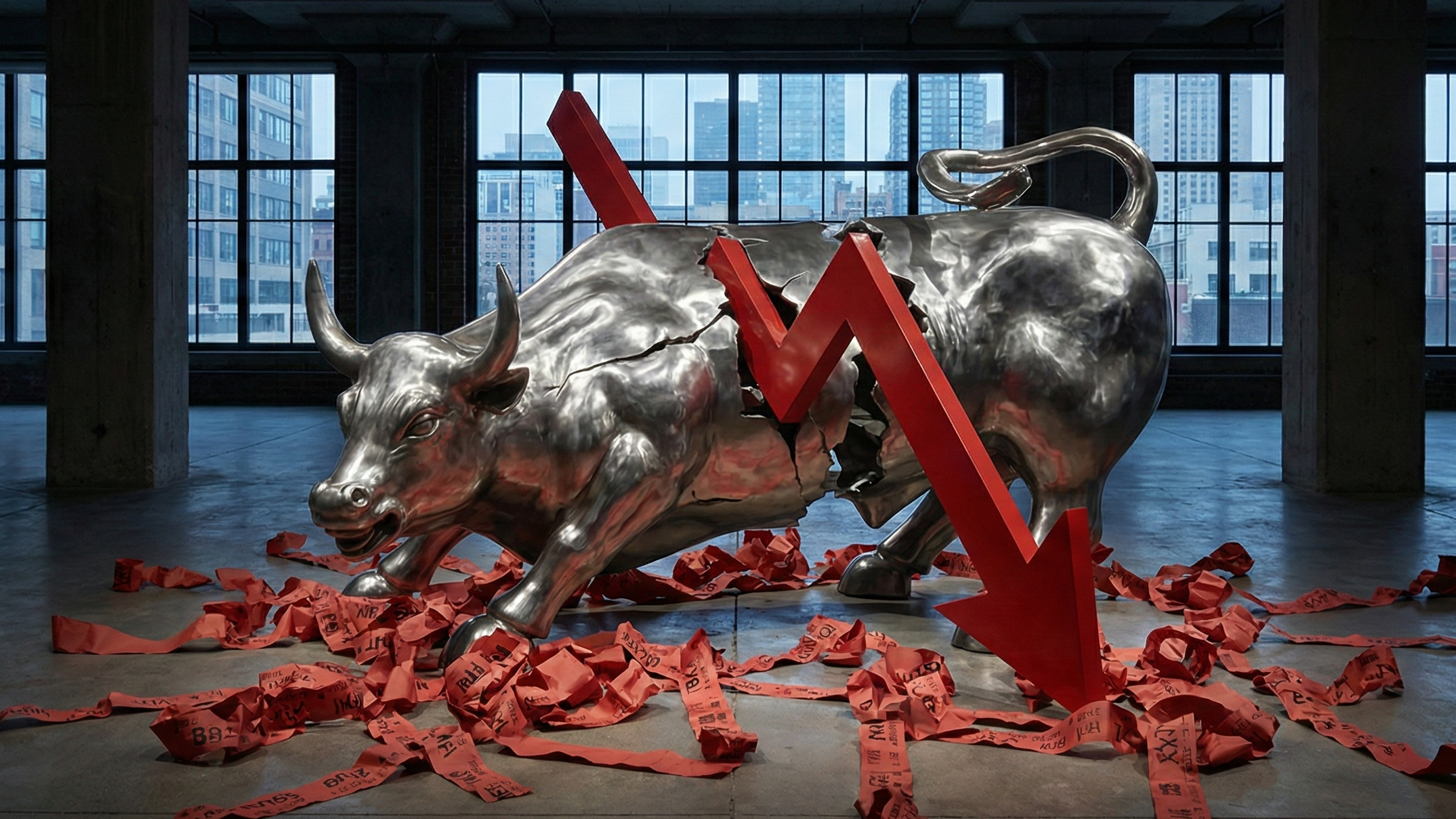
Silver has recorded its most significant single-day decline since 1980, shedding nearly one-third of its value in 24 hours in a movement driven primarily by financial market structure rather than a change in the metal's industrial utility.
Institutional majors exited positions following a shift in monetary policy expectations, purported to be precipitated by a hawkish Federal Reserve nomination - however, a forensic look at market forces shows that it was aggressive margin hikes that triggered the widespread liquidation.
Silver’s drop from record highs above $120 to near $76 has highlighted the inherent risks of leveraged commodities trading and the speed at which sentiment can reverse.
The Warsh effect?
Some analysts are pointing to the nomination of Kevin Warsh as Federal Reserve Chair as the primary trigger for the sell-off, whose reputation for supporting central bank independence and hawkish policy signalled a potential end to the "debasement hedge" trade.
"The nomination of Kevin Warsh triggered a sharp macro re-pricing," noted Ponmudi R, CEO of Enrich Money, highlighting the immediate impact on market sentiment.
Following the announcement, the US dollar strengthened and real yields rose, increasing the opportunity cost of holding non-yielding assets and forcing the unwind of leveraged long positions.

CME margin hike
The speed of the decline was significantly amplified by leverage, as the CME Group had already begun tightening requirements to curb speculative activity.
In a move comparable to the response to the Hunt Brothers in 1980, exchanges hiked margin requirements, forcing traders to post substantially more capital to maintain their existing positions.
For funds with limited liquidity, this created a feedback loop where forced selling drove prices down, resulting in further margin calls and additional liquidation across the sector.
The crash also exposed a divergence between the futures market and physical supply, as industrial buyers in the solar and AI sectors continue to face supply deficits despite the crash in paper prices.
This demand has reduced COMEX and LBMA vaults to historically low levels, creating “backwardation”- a scenario where silver for immediate delivery costs more than future contracts.
Supply constraints are further evidenced by mining output, with Fresnillo recently cutting its 2026 guidance due to "operational phasing" and lower-grade veins.
This confirms that production cannot be immediately ramped up to meet deficits, regardless of the extreme price volatility seen in the futures market.