United States stock futures moved lower on Wednesday night (Thursday AEST) after the United States launched additional military strikes against Iran, fuelling another rise in oil prices and adding to investor concerns over escalating tensions in the Middle East.
By 9:50 am AEST, Dow Jones futures were down 0.2%, S&P 500 futures had fallen 0.3%, and Nasdaq 100 futures were 0.2% lower.
Oil prices advanced sharply following news of the attacks. West Texas Intermediate crude futures climbed 3% to US$92.76 a barrel as markets assessed the potential impact of an expanding conflict on global energy supplies.
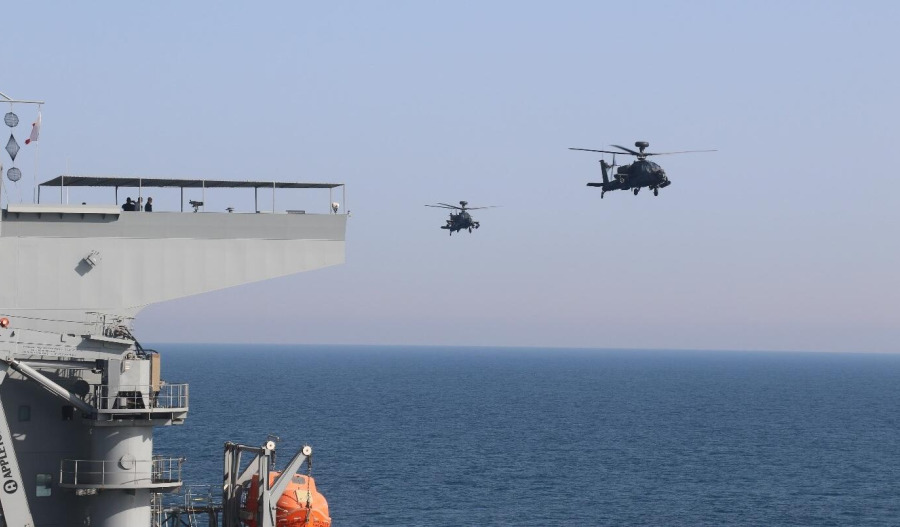
The latest military action came after U.S. Central Command announced that American forces had launched "additional self-defence strikes" against Iran late on Wednesday.
The strikes added further pressure to already fragile market sentiment after a weak session on Wall Street. Major U.S. indexes fell during Wednesday's regular trading session amid renewed selling in technology stocks and mounting concerns over the conflict between Washington and Tehran.
The Dow Jones Industrial Average dropped 1.9%, the S&P 500 lost 1.6%, and the technology-heavy Nasdaq Composite underperformed, declining 2%.
Technology stocks also faced additional pressure in after-hours trading after Oracle announced plans to raise an additional US$20 billion through a combination of equity and debt financing to fund its expanding artificial intelligence infrastructure.

Oracle shares fell more than 11% in extended trading following the announcement.
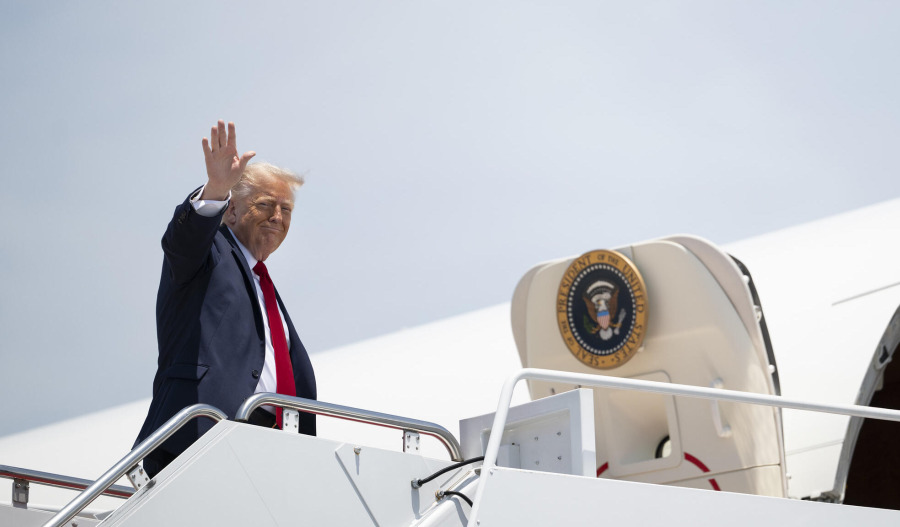
Investors have become increasingly cautious as tensions between the United States and Iran continue to escalate. The prospect of a ceasefire has appeared increasingly uncertain after Trump suggested earlier in the day that Tehran was taking "too long" to agree to a potential agreement.
The President warned that Iran would "pay the price" if a deal was not reached and pledged additional military action, stating that the United States would be "attacking them very hard".
The comments heightened fears that a prolonged conflict could disrupt energy supplies and place additional upward pressure on inflation at a time when markets are already grappling with elevated consumer prices.
Attention will now turn to a fresh round of economic data scheduled for release on Thursday.
Investors will closely monitor the May producer price index (PPI), with markets expecting wholesale prices to have increased 0.7% during the month, while core producer prices, which exclude food and energy, are forecast to rise 0.5%.
Those readings would mark a moderation from April, when headline producer inflation increased 1.4%, and core producer prices rose 1.0%.
Market participants will also assess weekly labour market data, with initial jobless claims for the week ended June 6 scheduled for release alongside the inflation report.