The United States will delay tariffs on Chinese semiconductors until 2027, it said on Tuesday (Wednesday AEDT), after China and the U.S. reached an agreement to lower tariffs in October.
The U.S.’ previous Joe Biden administration launched a probe into China’s exports of older chips in 2024, alleging unfair trade practices. The investigation found China’s chip exports harmed U.S. commerce, but new tariffs will not be added until June 2027.
“Based on information obtained during the investigation, and in consultation with the Section 301 Committee, China’s targeting of the semiconductor industry for dominance is unreasonable and burdens or restricts U.S. commerce and thus is actionable,” the office of the U.S. Trade Representative wrote in a filing.
“China’s pursuit of its dominance goals has severely disadvantaged U.S. companies, workers, and the U.S. economy generally through lessened competition and commercial opportunities and through the creation of economic security risks from dependencies and vulnerabilities.”
Under a separate probe last year, the U.S. ordered a 50% tariff on Chinese semiconductor imports to be imposed by the end of 2025. The U.S. Trade Representative’s filing says tariffs on Chinese chips will remain at 0% until 2027, however.

The filing also does not indicate the tariff rate that will be imposed in 2027, saying that it will be announced at least 30 days before it takes effect.
U.S. President Donald Trump reached an agreement with China’s President Xi Jinping in October to lower the overall U.S. tariff rate on Chinese goods and pause China’s export controls on rare earths elements.
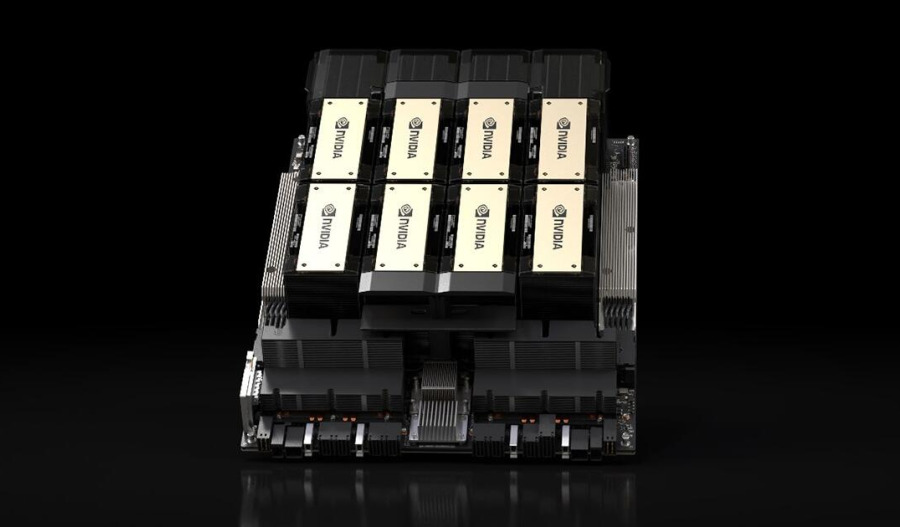
Regulators in the U.S. are also reportedly reviewing new export licences for Nvidia’s second-most powerful artificial intelligence chips, which could be shipped to China for the first time by mid-February.
China’s government has discouraged domestic companies from purchasing Nvidia’s chips, and has not yet approved any transactions.
Related content