
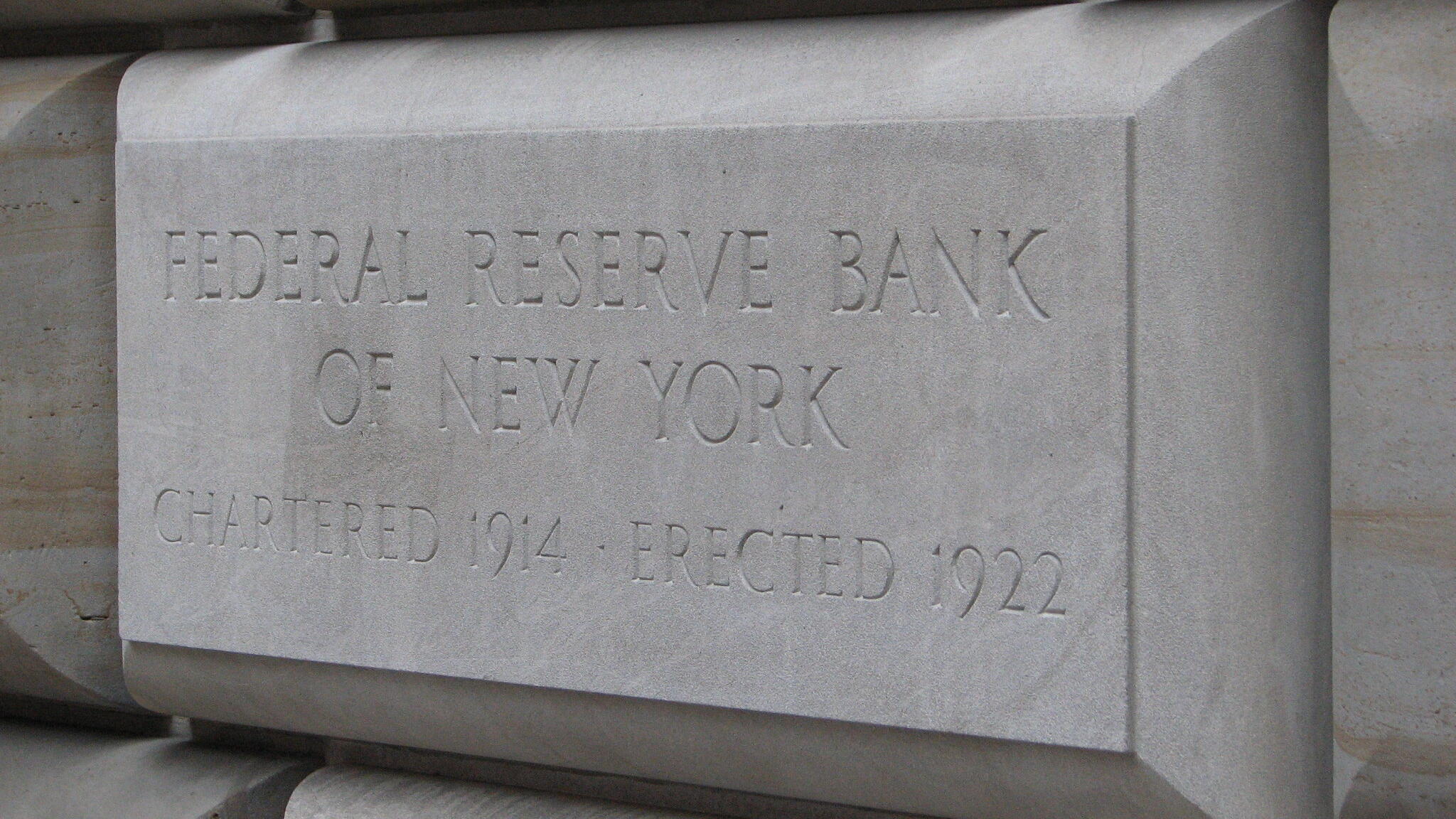
Americans are seeking new credit at the highest rate in nearly four years, with demand for higher credit card limits driving the increase even as lenders simultaneously close accounts at record levels, according to new data from the Federal Reserve Bank of New York.
The latest Survey of Consumer Expectations Credit Access report found that 44.4% of consumers applied for at least one form of credit in the 12 months to February 2026, up from 41.4% in October 2025 and the highest reading since October 2022.
Applications for credit cards accounted for much of the rise, with 30.1% of respondents reporting they sought a new card or higher limit - a post-pandemic high.
The figures suggest a shift in household borrowing behaviour at a time when policymakers are assessing the resilience of U.S. consumers amid persistent inflation and geopolitical tensions.
The data was released days before the Federal Reserve’s rate-setting meeting, where officials are widely expected to leave interest rates unchanged.
The New York Fed said most of the increase in credit demand reflected consumers requesting higher limits on existing credit cards rather than applying for new forms of borrowing.
The trend was strongest among consumers aged 41 to 59 and among borrowers with credit scores considered “good” to “very good”.
At the same time, access to credit appeared to improve.
The rejection rate for any credit application over the previous 12 months fell to 15.9% in February, the lowest level since June 2021.
Credit card rejection rates stood at 12.9%, with declines recorded across all major credit categories.

However, the survey also found a countervailing development: Lenders have been closing borrower accounts at the highest rate recorded in the survey’s history.
The New York Fed did not specify the reasons for the closures.
The report also highlighted signs of continued financial strain among households.
The share of respondents who said they could raise US$2,000 to meet an unexpected expense slipped to 63.3%, down slightly from the previous survey.
The credit data arrives as the Federal Reserve navigates a complicated economic outlook.
Policymakers have been grappling with inflation that remains above the central bank’s 2% target and a labour market that has shown signs of softening.
Financial markets broadly expect the Fed to begin cutting interest rates later in 2026; however, officials have not signalled a firm timetable.
Geopolitical developments are adding further uncertainty.
Rising oil prices linked to the escalating war between the U.S and Iran could place additional pressure on inflation by increasing energy costs for households and businesses.
Higher fuel costs typically reduce discretionary spending, raising concerns that growth could slow while price pressures remain elevated.